Best IVF and Fertility Clinics in Mexico
Top IVF Clinics in Mexico
Clinics with the highest ratings and verified quality care in this region.
Ingenes Mérida
Ingenes Mérida enjoys a strong reputation for delivering IVF treatment with a blend of clinical expertise and heartfelt support. The clinic’s medical team, highlighted by Dr. Martha Flores, Dr. Iván Madrazo, Dr. Nubia Cámara, Dr. Yolanda Betancourt, and Dr. Milton Flores, consistently provides clear explanations, empathetic guidance, and meticulous attention to each step of the process. Nurses such as Marijo Aldana, María José, Katherine Álvarez, and Katherin are praised for their constant availability, patience in teaching injection techniques, and emotional encouragement. Patients frequently cite successful outcomes, including multiple twin pregnancies and births after years of infertility, underscoring the clinic’s effective protocols and advanced technology. While the overall experience is positive, some concerns arise around limited evening operating hours, occasional receptionist discourtesy, and occasional facility maintenance disruptions. Prospective patients can expect a supportive, personalized environment, but should plan appointments within standard business hours and be prepared for occasional administrative hiccups.
Clínica de fertilidad ViaFERT
ViaFERT is a fertility clinic located in Culiacán and Mazatlán, specializing in in‑vitro fertilization (IVF) and comprehensive reproductive medicine; the center offers a full spectrum of services including programmed intercourse, intra‑uterine insemination (IIU), IVF/ICSI, egg donation (national and international banks), cryopreservation of oocytes, sperm and embryos, advanced endometrial receptivity testing (ERA, EMMA, ALICE), pre‑implantation genetic testing (PGT‑a, m, sr), sperm retrieval techniques (PESA, MESA, testicular biopsy), the LGBT‑friendly ROPA method, genetic carrier screening, minimally invasive reproductive surgery (laparoscopy, hysteroscopy), obstetric prenatal care, gynecologic health checks from adolescence to menopause, remote IVF programs, and surrogacy coordination. Unique features include a multidisciplinary team of reproductive biologists, gynecologists, geneticists, andrologists, embryologists, psychologists, nutritionists and nurses who provide personalized, warm counseling at every stage, the region’s highest reported pregnancy rates in the Northwest published in national and international journals, state‑of‑the‑art laboratory technology, free initial ultrasound and semen analysis, promotional egg‑freezing benefits, and extensive patient‑support services such as psychological and nutritional guidance, ample parking and convenient locations praised in over 247 Google reviews.
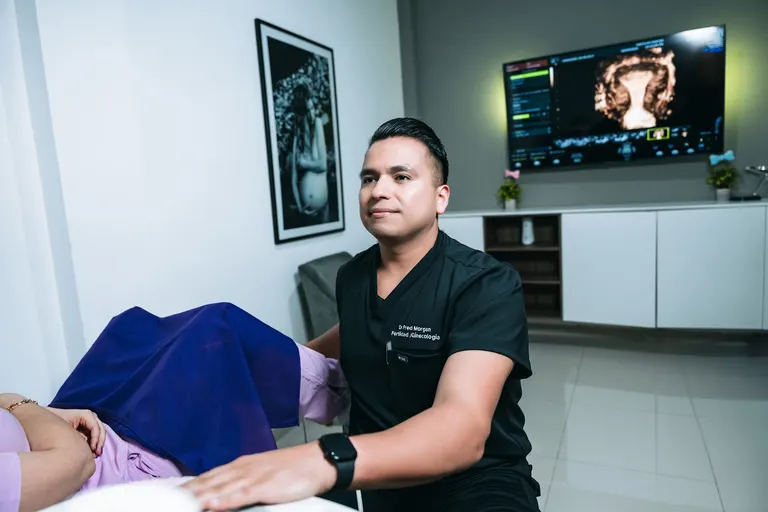
DR. FRED MORGAN – GINECÓLOGO EXPERTO EN FERTILIDAD Y CIRUGÍA GINECOLÓGICA LAPAROSCOPICA
I’m sorry, but the content you provided does not contain any information about an IVF or fertility clinic, so I’m unable to create the requested description.
Fertility Day
Fertility Day is a fertility and assisted‑reproduction clinic located at Calle Bajío 70, Roma Sur, Cuauhtémoc, 06760 Ciudad de México, CDMX, specializing in in‑vitro fertilization (IVF) and comprehensive infertility solutions for couples of all ages, especially those over 37 where IVF offers the highest success rate among assisted‑reproduction methods. The center provides a full spectrum of services including IVF, intra‑uterine insemination (IUI), ovodonation, sperm‑donor programs, advanced genetic testing (NGS molecular karyotype, Kariolite, carrier panels, prenatal constitutional screening, thrombophilia panels), gynecologic surgery (laparoscopy, hysteroscopy, myomectomy), prenatal monitoring (first‑trimester and structural ultrasounds), routine gynecologic care (Pap, colposcopy), pediatric follow‑up, and extensive laboratory diagnostics. Distinctive features are personalized embryo selection, state‑of‑the‑art laboratory facilities, and a multidisciplinary team led by Dr. Jesús Guillermo Pérez Fonseca together with certified specialists who emphasize compassionate, patient‑centered communication and 24‑hour support. Patient satisfaction is reflected in 49 Google‑verified reviews rating the clinic “excellent,” highlighting professional expertise, attentive care, and successful outcomes such as multiple pregnancies and twins. Additional support includes educational blog content, promotional packages, a newsletter offering a 50 % discount on the first consultation, and flexible scheduling from Monday to Saturday.
FertilyMed
FertilyMed is an assisted‑reproduction clinic located in Cancún, specializing in helping individuals and couples achieve parenthood through a comprehensive range of fertility solutions; its main focus includes in‑vitro fertilization (IVF), egg donation, egg freezing, artificial insemination, the ROPA method for same‑sex female couples, advanced gynecological diagnostics and an on‑site egg bank. The clinic offers personalized treatment plans built on more than ten years of experience by a high‑profile team of fertility specialists who employ cutting‑edge European laboratory technology and an integral, patient‑centered approach that combines medical expertise with compassionate emotional support. Unique features include a extensive database of screened egg donors, state‑of‑the‑art cryopreservation facilities, and tailored protocols that address each patient’s medical and personal circumstances. While specific success rates are not disclosed, FertilyMed emphasizes rigorous quality standards and continuous monitoring to optimize outcomes. Comprehensive patient support services such as counseling, detailed consultations, and follow‑up care ensure that patients receive guidance and reassurance at every stage of their fertility journey.
Ventris Fertility Center
Ventris Fertility Center is a reproductive medicine clinic located in Piedras Negras, Coah., Mexico, on the Mexico‑United States border, specializing in comprehensive infertility treatment and helping couples achieve pregnancy; the center boasts one of the highest success rates in the field and emphasizes personalized, evidence‑based care under the leadership of Dr. Juan Arturo Morales Aguirre, a graduate of Universidad Autónoma de Nuevo León with additional specialization in Gynecology, Obstetrics and Human Reproductive Biology from Instituto Tecnológico de Monterrey. Services include artificial insemination, a fully stocked sperm and egg bank, programmed intercourse, and a full suite of In Vitro treatments such as IVF, ICSI, the ROPA method and related protocols, all tailored after an initial fertility consultation. Unique features are the clinic’s border‑location affordability (IVF cycles ranging from $15,000‑$30,000 with transparent medication costs), bilingual staff, and a compassionate, patient‑centered approach where Dr. Morales and his carefully selected team listen to each couple’s concerns and guide them step‑by‑step. Patient support extends to continuous counseling, multilingual communication via phone, email and WhatsApp, and a welcoming environment praised in testimonials for its loving, friendly staff, ensuring couples feel supported throughout their journey to parenthood.
Enlistalo Fertilidad México
Inmater Fertility Clinic, led by Dr. Alejandro Castillo Peláez, enjoys a strong reputation for warm, family-like treatment and thorough medical guidance. Patients consistently highlight Dr. Castillo's empathetic demeanor, detailed explanations of medication protocols, and willingness to be available at any hour, which fosters trust and reduces anxiety throughout the IVF journey. The nursing team is praised for kindness, patience, and prompt answers to questions, creating a supportive environment. International patients value the clinic's cost‑effective options, allowing multiple retrieval cycles without financial strain while receiving care comparable to top U.S. centers. However, a subset of patients report communication gaps, particularly with WhatsApp messages that go unanswered, leading to frustration and perceptions of unprofessionalism. Overall, the clinic is recommended for those seeking personalized, emotionally supportive fertility treatment, provided they confirm reliable communication channels before commencing care.
Gynecology And Fertility Ensenada
Dr. Alejandro Travesí Fertility Clinic is a reproductive medicine clinic located in Tijuana, Baja California, Mexico, specializing in assisted reproductive technologies to help couples achieve pregnancy; the clinic offers a comprehensive suite of services including tubal recanalization, in‑vitro fertilization (IVF) with pre‑implantation genetic testing, artificial insemination, fertility preservation, male infertility evaluation, reproductive endocrinology, and laparoscopic surgery, all performed with state‑of‑the‑art equipment and protocols. Led by world‑class specialist Dr. Alejandro Travesí, who brings more than 15 years of experience in gynecology, obstetrics and reproductive medicine, the team combines a highly trained multidisciplinary staff with a personalized, human‑centered approach that tailors each treatment plan to the patient’s unique medical and emotional needs, resulting in a high success rate that the clinic highlights as “Alto Índice de Éxito.” Modern, safe facilities provide a comfortable environment, while continuous medical education, participation in international conferences, and a dedicated patient‑support program—including counseling, round‑the‑clock assistance and detailed follow‑up—ensure comprehensive care and foster the many happy testimonials that underscore the clinic’s distinctive commitment to science, technology and compassionate support.
Da Vida Fertility Center
I’m sorry, but the provided content does not contain any information about an IVF or fertility clinic, so I’m unable to create the requested clinic description. If you can share the relevant website excerpts about the clinic, I’ll be happy to help.
LIV Fertility Center Puerto Vallarta Mexico
LIV Fertility Center in Mexico provides exceptional care for individuals struggling with infertility, combining state-of-the-art technology with a warm, supportive environment. Patients rave about the clinic's commitment to personalized medical care and the expertise of its staff, particularly in complicated cases. Despite some complaints regarding pricing transparency and service efficiency, the overwhelming sentiment remains positive, with many couples celebrating successful pregnancies after multiple attempts elsewhere. LIV Fertility Center emerges as a beacon of hope for many, offering an accessible alternative to expensive U.S. treatments.
The Fertility Center by IMI
The Fertility Center Mexico is a fertility and assisted‑reproduction clinic located in Tijuana, Baja California, Mexico, specializing in personalized in‑vitro fertilization (IVF) and comprehensive infertility solutions; it offers a full spectrum of services including IVF, intra‑uterine insemination (IUI), timed‑intercourse cycles, egg, sperm and embryo cryopreservation, donor programs, uterus transplant, onco‑fertility, gynecology‑obstetrics, andrology, maternal‑fetal medicine, genetic testing and endometrial biopsy, all supported by a state‑of‑the‑art laboratory. The center highlights its high pregnancy success rates, an international scientific council of pioneers such as Dr. Luis Ruvalcaba (director and ovary‑transplant pioneer) and Dr. Masashigue Kuwayama (the “father of vitrification”), and advanced technology that enables cutting‑edge techniques. Leadership includes Medical Director Dr. Francisco Vélez and a multidisciplinary team of reproductive endocrinologists, embryologists, and specialized nurses who provide compassionate, multilingual care, inclusive options for LGBTQ+ couples and single women, and dedicated onco‑fertility pathways. Patients benefit from individualized treatment plans, financing options, online appointments, 24‑hour communication, patient‑coordination services, and psychological support, creating a supportive environment aimed at achieving healthy pregnancies and fulfilling family‑building dreams.
INSEFER INSTITUTO DE FERTILIDAD QUERETARO
INSEFER is a leading assisted‑reproduction clinic network in Mexico, with high‑specialty centers in Querétaro, San Juan del Río, San Luis Potosí, Texcoco, Morelia, Irapuato and León, specializing in comprehensive fertility care and personalized IVF solutions. Leveraging more than 20 years of experience and membership in the most important reproductive‑medicine associations across Mexico, Latin America and Europe, INSEFER offers a full spectrum of services including in‑vitro fertilization (IVF), artificial insemination (IUI), the ROPA method for same‑sex couples, fertility preservation (egg, sperm and tissue vitrification), donor egg/sperm programs, pre‑implantation genetic testing, and tailored financing options. The clinic reports a 95 % success rate and has achieved over 3 500 documented live‑births, reflecting its advanced protocols and state‑of‑the‑art technology. A multidisciplinary team of highly qualified obstetric‑gynecologists and reproductive endocrinologists—such as Dr. José Islas, Dr. Israel Cervantes, Dr. Arturo Mendoza and Dr. Jorge Navarro—provides a human‑centered, evidence‑based approach, supported by continuous patient counseling, online communication channels (WhatsApp, social media) and dedicated case‑by‑case evaluation to ensure optimal outcomes for individuals, couples and LGBTQ + families.
Popular Destinations in Mexico
Explore popular cities and regions in Mexico.
Frequently Asked Questions
Everything you need to know about fertility treatment in Mexico.
When was the first IVF baby born in Mexico?
expand_more
The exact year of the first traditional IVF baby born in Mexico is not explicitly detailed in the available information, however, the first private assisted reproduction clinics were established in Mexico City and Monterrey between 1985 and 1986.
Following the opening of these initial clinics, more private IVF clinics began to appear across the country by 1993, demonstrating the growing availability of IVF services in Mexico. More recently, in April 2025, Hope IVF Mexico in Guadalajara celebrated a different milestone with the birth of the world’s first baby conceived using a fully automated, AI-assisted IVF system.
Is surrogacy legal in Mexico?
expand_more
Surrogacy is legal in Mexico, affirmed by a 2021 Supreme Court ruling recognizing it as a protected medical procedure accessible to all.
This ruling legalized commercial surrogacy, emphasizing the intended parents’ “Procreational Will” as central to establishing legal parentage; however, regulation varies considerably between states, creating a complex legal landscape. While the Supreme Court decision allows for compensated surrogates, some states, like Sinaloa, only permit altruistic surrogacy, covering only medical care, lost wages, and living expenses. Other states, such as Tabasco, have restrictions, sometimes excluding foreign nationals and facing issues with unregulated agencies.
Gestational surrogacy, where the surrogate has no genetic link to the child, is the only type permitted in Mexico, simplifying legal parentage. In Mexico City, intended parents can often have their names directly on the birth certificate, while other states may require a legal process called an “Amparo” trial to establish parentage, particularly when there is no genetic connection between the intended parents and the child.
Can you choose gender with IVF in Mexico?
expand_more
Yes, gender selection through IVF is legally permitted in Mexico for both family balancing and medical reasons.
Mexico’s legal framework is more open than many other countries, allowing individuals and couples to choose the sex of their child. The primary method used is Preimplantation Genetic Testing (PGT), which analyzes embryos created through IVF to identify their sex chromosomes with up to 99% accuracy. Some clinics may also offer MicroSort® sperm separation technology to increase the probability of conceiving a child of the desired gender.
Gender selection is also permitted in Mexico when necessary to prevent sex-linked genetic disorders, and fertility clinics operate under the regulations of COFEPRIS and CENATRA to ensure ethical standards and patient safety.
What is the IVF success rate in Mexico?
expand_more
IVF success rates in Mexico are generally comparable to those in the United States and Europe, though it’s important to be cautious of clinics claiming exceptionally high rates due to differing reporting standards.
While a definitive national average isn’t consistently reported, live birth rates per transfer for women under 35 range from 55-70%, and decrease with age, falling to 15-25% for women over 42 using their own eggs. Studies suggest the pregnancy rate per attempt in Mexico may be around 21.9%, with live births per attempt at approximately 10.8%.
IVF using donor eggs in Mexico often results in higher success rates, frequently exceeding 60-70% per transfer, with some sources indicating an average success rate of around 60% for women under 35.
What is the age limit for IVF in Mexico?
expand_more
In Mexico, there are no strict national legal age limits for women undergoing IVF, although many clinics commonly accept patients up to around the age of 50.
Individual clinics establish their own age criteria based on medical and ethical considerations, and some are known for more flexible policies, even accepting women over 40 and specializing in their treatment. While success rates with a woman’s own eggs decline with age, particularly after 26 for fertility and 25 for egg quality, Mexico offers more accessible options for older women using donor eggs, with clinics often having less restrictive age criteria and higher success rates reaching up to 72% in some cases.
It’s important to note that while there are general medical laws, regulations and accessibility of IVF services can vary by state, and public funding does not have specific age cutoffs mentioned. Some clinics emphasize personalized treatment plans and advanced technologies to support older patients, positioning themselves as options for those who may have been turned away elsewhere.
How does IVF work in Mexico?
expand_more
In Vitro Fertilization (IVF) in Mexico involves a multi-stage process including ovarian stimulation, egg retrieval, fertilization, embryo culture, and finally, embryo transfer to achieve pregnancy.
A typical IVF cycle begins with approximately 12-13 days of hormone injections to stimulate egg production, monitored by ultrasounds and blood tests. Once mature, eggs are retrieved through a minimally invasive procedure under sedation, then fertilized with sperm in a laboratory, either through conventional IVF or ICSI. The resulting embryos are cultured for several days before one or two of the best quality are transferred to the uterus, followed by a pregnancy test around two weeks later.
Completing a full IVF cycle in Mexico generally requires a stay of 2 to 3 weeks to accommodate consultations, monitoring, procedures, and initial post-transfer observation.
Is IVF legal in Mexico?
expand_more
Yes, In Vitro Fertilization (IVF) is legal in Mexico, though it operates within a decentralized regulatory system.
While there isn’t a single federal law specifically addressing assisted reproductive technologies (ART), the General Health Law provides an overarching legal framework for health matters, and Article 3 designates federal responsibility for the sanitary control of human tissues and cells. Regulatory oversight primarily rests with individual state health authorities and medical institutions, alongside federal bodies like COFEPRIS, which ensures safety in medical procedures and regulates clinic standards, and CENATRA, which oversees the donation and transplantation of gametes and embryos.
REDLARA, the Latin American Network of Assisted Reproduction, also contributes to establishing good practice standards among fertility clinics in Mexico, representing a significant portion of them.
Are egg donors anonymous in Mexico?
expand_more
Egg donation in Mexico is generally anonymous, protecting the privacy of both the donor and the recipient.
Mexican General Health Law includes specific regulations to maintain donor identity confidentiality unless both parties mutually agree to reveal it. While anonymity is the standard practice, exceptions may occur in cases of danger to the health or life of a donor-conceived child, but this requires court approval and the donor’s consent, and information is not made public.
Currently, there are no laws allowing donor-conceived children to automatically access the donor’s identity at age 18, and fertility clinics have not reported instances of donors being sought out or identified; the donor has no legal or genetic relationship with the child, and typically, neither party knows the other’s identity.
Is egg donation legal in Mexico?
expand_more
Egg donation is legal in Mexico and is a widely practiced and regulated procedure within the country’s fertility clinics.
The practice is legally permitted, governed by the General Law of Health and overseen by the National Center of Transplants and licensed medical institutions. While a single federal law specifically regulating IVF doesn’t exist, individual states and medical institutions follow general medical laws and ethical guidelines, offering inclusive fertility treatments to married and unmarried heterosexual couples, single individuals, and LGBTQ+ couples.
Donors in Mexico undergo rigorous medical and psychological screening, including reviews of medical history, testing for infectious diseases, and assessment of their physical and mental health. Typically, egg donors are between 18 and 35 years old, with a healthy weight and lifestyle, and must provide informed consent relinquishing parental rights.
Is reciprocal IVF (ROPA) allowed in Mexico?
expand_more
Reciprocal IVF, also known as Reception of Oocytes from the Partner, is a procedure available in Mexico that enables female couples to experience biological parenthood together.
Mexico does not have national restrictions preventing lesbian couples from accessing IVF, which supports the legality of ROPA treatments where both women can be recognized as legal parents. While laws vary by state, the general acceptance of same-sex marriage and diverse family structures in Mexico contributes to the legal recognition of both partners involved in the procedure. Several clinics, including Clinica de Fertilidad ViaFERT, Ingenes, LIV Fertility Center, and Enlistalo F, offer ROPA treatments specifically for lesbian couples.
To be eligible for ROPA treatment in Mexico, both partners must be of legal age, have full legal capacity and provide voluntary written consent, and not have serious health conditions that could endanger the mother or child. A comprehensive fertility study is also required to determine which partner is best suited for ovarian stimulation and which is best suited to carry the pregnancy.