star

FindBestClinic

Best IVF and Fertility Clinics in Japan

Top IVF Clinics in Japan

Clinics with the highest ratings and verified quality care in this region.

Japan, Tokyo
star 4.6 (95)

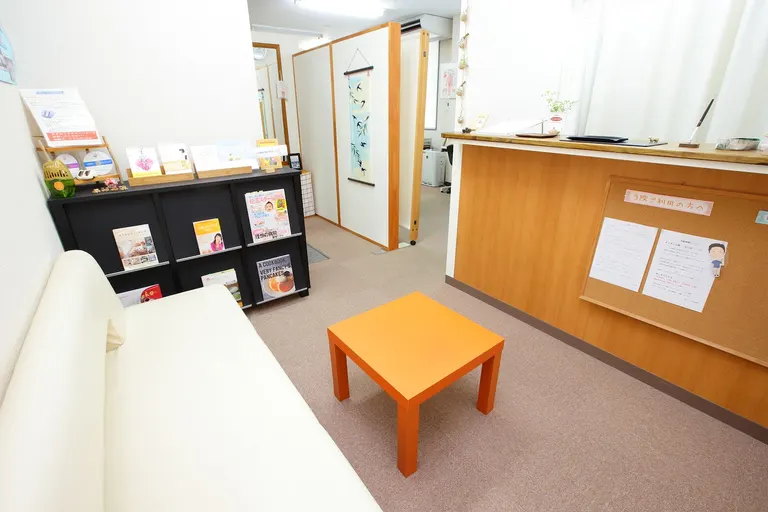
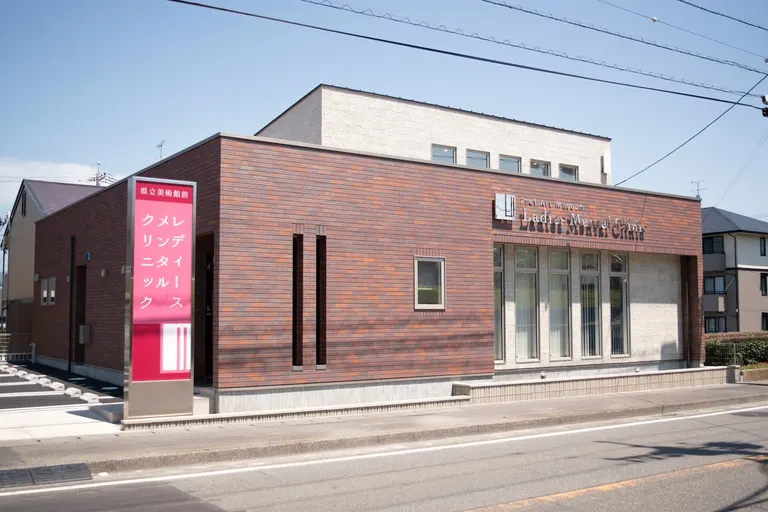
Phoenix Art Clinic

Phoenix Art Clinic is a reproductive medicine clinic located in Shibuya‑ku, Tokyo (3‑12‑18 Sendagaya, near Kita‑Sando Station), specializing in comprehensive infertility treatment that guides patients from egg freezing through pregnancy to delivery; the clinic offers personalized counseling, timing‑method cycles, artificial insemination (IUI), in‑vitro fertilization (IVF), intracytoplasmic sperm injection (ICSI), embryo culture, embryo and egg cryopreservation, male infertility services, hormone‑replacement protocols, PGT‑A and other advanced ART procedures, all supported by insurance billing and municipal grant assistance. With a team of twelve obstetric‑gynecologists, reproductive specialists, embryologists and a close partnership with Phoenix Medical Clinic, the center provides seamless, multidisciplinary care—including prenatal check‑ups, medication management and delivery planning—ensuring continuity from conception to birth. Notably, the clinic reports a per‑embryo‑transfer pregnancy rate of approximately 66.9 % (about 20.4 % higher than the national average) and has achieved successful births up to age 47. Unique features include English‑speaking physicians, same‑day walk‑in for first visits, flexible same‑day appointments for busy patients, a dedicated male‑only clinic, on‑site assistance with grant applications and financial counseling, and a patient‑centered approach that emphasizes “the shortest, most satisfactory path” to pregnancy while minimizing physical, emotional and economic burdens.

Japan, Tokyo
star 4.6 (37)

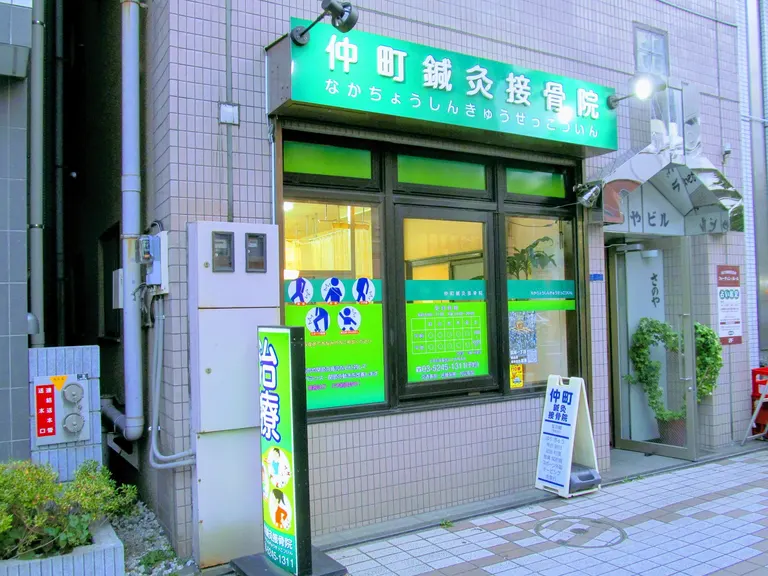
Age Infertility Center Nakamachi Acupuncture Orthopedic Clinic

Tokyo Kōrei Fertility Center Nakachō Acupuncture & Osteopathic Clinic is a fertility‑focused clinic located in Tokyo, Japan, specializing in integrative acupuncture and osteopathic treatments to improve maternal health and enhance natural conception. The clinic offers a comprehensive suite of services including infertility acupuncture, fertility‑oriented osteopathic pelvic adjustment, postpartum pelvic care, breech correction with moxibustion, cosmetic acupuncture, targeted FSH‑lowering protocols, hidden‑iron‑deficiency support, and coordinated care alongside IVF cycles such as egg retrieval and embryo transfer. Unique features include a weekly treatment schedule timed to ovulation, implantation and luteal phases, ultra‑thin needles that minimize discomfort, and evidence‑based success rates showing 60 % pregnancy after four months of weekly sessions and 80 % after six months—figures that surpass typical IVF success rates for comparable age groups. A multidisciplinary team of experienced acupuncturists, osteopathic specialists and fertility counselors adopts a holistic, stress‑free approach, providing personalized counseling, nutritional guidance, and postpartum support. Patient‑centered services such as initial‑visit discounted packages, online booking, and ongoing emotional support ensure accessible, compassionate care throughout the fertility journey.

Japan, Tokyo
star 4.4 (535)

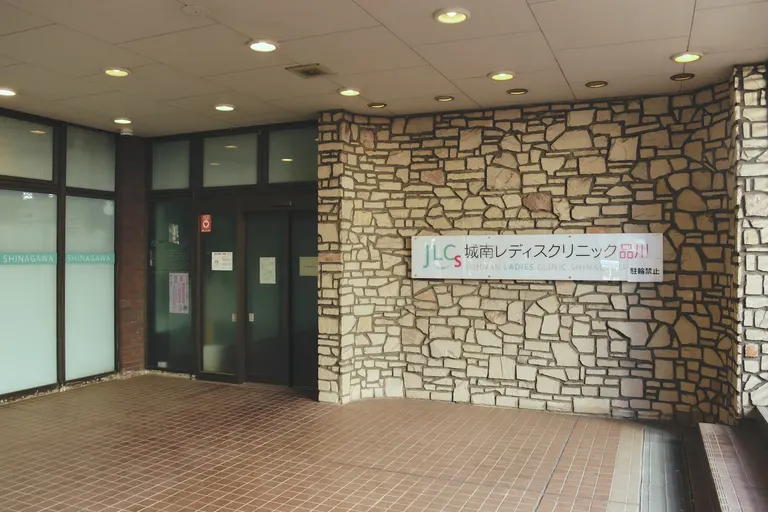
はなおかIVFクリニック品川

Hanaoka IVF Clinic Shinagawa is a fertility and assisted reproductive technology (ART) clinic located in Shinagawa-ku, Tokyo (Gate City Osaki East Tower 1F, 1‑11‑2 Osaki), specializing in individualized in‑vitro fertilisation (IVF) and related treatments; the centre offers a full spectrum of services including standard IVF, ICSI, embryo culture and freezing, egg‑cryopreservation, PRP therapy, pre‑implantation genetic testing (PGT‑A), ERA/EMMA/ALICE endometrial receptivity testing, time‑lapse incubators, PICSI, sperm‑separation technology, and a dedicated male infertility clinic staffed by a urologist‑reproductive specialist. The clinic distinguishes itself with a pregnancy rate reported to be more than 20 % above the national average, cycle‑by‑cycle treatment planning, highly trained embryologists who undergo daily certification, a double‑check “RI‑Witness” system to prevent gamete/embryo mix‑ups, and an emergency power backup to protect frozen gametes. Led by Director Dr Kana Hanaoka, the multidisciplinary team of physicians, embryologists, nurses and an orthomolecular nutrition counsellor provides evidence‑based care, continuous education, and personalized nutritional guidance. Patient support includes free AMH screening, LINE‑based free consultations, flexible appointment hours, online booking, comprehensive infection‑control measures, and dedicated counselling for emotional and logistical needs, ensuring a safe, supportive pathway toward parenthood.

Japan, Tokyo
star 4.2 (102)

Fertility Clinic Tokyo

Fertility Clinic Tokyo enjoys a strong reputation for delivering successful outcomes across a wide range of infertility challenges, including low AMH, PCOS, advanced maternal age, and severe male factor. The clinic emphasizes individualized treatment plans, offering options from natural cycles to IVF and advanced techniques such as IMSI and PGTA. Patients consistently note thorough explanations, multilingual support, and a clean, comfortable environment equipped with Wi‑Fi and workstations. Skilled embryologists and cultivators contribute to high fertilization and blastocyst quality, while staff provide clear guidance on government subsidies. However, the rotating physician model can lead to variability in bedside manner, and some visitors report long waiting periods and occasional rudeness from specific doctors. Administrative hiccups, such as delayed pregnancy confirmation and occasional reception staff issues, also surface. Overall, the clinic is recommended for those seeking effective, well‑explained fertility treatment, especially if they value a modern facility and comprehensive support, while being prepared for potential wait times and doctor turnover.

Japan, Tokyo
star 4.0 (132)

Hara Medical Clinic

Haramedical Clinic is an infertility‑treatment clinic located in Shibuya‑ku, Tokyo (5‑8‑10 Sendagaya), specializing in achieving the shortest possible time to pregnancy through individualized IVF/ICSI, IUI and donor‑gamete programs; founded in 1993 as Japan’s first dedicated fertility center, it has assisted over 260,000 couples and reports pregnancy‑confirmation rates of 50.8 % for women aged 31‑39 and 33.9 % for ages 40‑43, with blastocyst formation rates of 73 % under 39 and 62 % over 40, reflecting its 30‑year expertise in embryo culture. The clinic offers a hybrid model of insurance‑covered and advanced private services, including painless egg retrieval under IV anesthesia, PGT‑A, zona‑free techniques, and on‑site acupuncture at its Medical Salon, while providing free multidisciplinary counseling from embryologists, nurses and certified counselors, extensive patient‑education seminars, and comprehensive support for egg/sperm freezing, donor programs and ethical guidance. Led by Director Dr Kaoru Miyazaki, a board‑certified reproductive endocrinologist, and Deputy Director Dr Keiko Kamoshita, the team combines academic research, international conference presentations and a patient‑first philosophy to deliver evidence‑based, personalized care in a spacious, Wi‑Fi‑enabled environment designed for comfort and confidence.

Japan, Chiba
star 3.9 (54)

亀田IVFクリニック幕張

Kameda Hospital stands out as a reputable fertility clinic, praised for its compassionate staff and successful treatments. Patients report that while the clinic often experiences long wait times, the dedication of doctors like Dr. Kawai and the supportive nursing team make the experience worthwhile. Many have successfully conceived after treatment, highlighting the clinic's expertise, despite occasional lapses in communication and efficiency. Overall, Kameda is recognized for both its advanced reproductive technologies and the genuine care its team provides to patients navigating the challenges of infertility.

Japan, Tokyo
star 3.9 (104)

松本レディース IVFクリニック

Matsumoto Ladies IVF Clinic is a fertility and reproductive‑medicine clinic located in Tokyo’s Toshima‑ku, Higashi‑Ikebukuro (〒170‑0013), specializing in comprehensive infertility treatment and personalized assisted‑reproductive technologies. The clinic offers a full spectrum of services including artificial insemination (AIH), conventional IVF, ICSI with an 80 % embryo‑development success rate, pre‑implantation genetic testing (PGT‑A/PGT‑SR), egg freezing, AMH and ovarian reserve testing, advanced therapies such as PFC‑FD for refractory implantation failure, immune‑infertility treatment, male and herbal clinics, psychological counseling, and a dedicated pre‑conception care program, all supported by an in‑house pharmacy and online/LINE appointment system. Distinctive features include 24‑hour weekday service until 20:00, weekend and holiday availability, a staff of over 100 professionals, JISART certification (one of only five in Tokyo), strict laboratory protocols that allow only embryologists with ≥80 % ICSI success to handle gametes, and a research‑active team of Tokyo‑University‑trained doctors led by Honorary Chairman Dr Kazunori Matsumoto, Director Dr Reona Matsumoto and Medical Director Dr Hiroshi Haraguchi, all holding specialist certifications in obstetrics‑gynecology and reproductive medicine. Over its 25‑year history the clinic has facilitated more than 10,000 pregnancies with consistently high pregnancy rates, provides private counseling rooms, nationwide‑scale infertility counselors, post‑payment options, and even a clinician‑formulated fertility supplement, ensuring a supportive, patient‑centered environment for individuals and couples pursuing pregnancy.

Japan
star 3.8 (75)

Umeda Fertility Clinic Osaka

Umeda Fertility Clinic is a specialized infertility clinic located in Osaka City’s Kita‑ku, Toyozaki 3‑17‑6 (near Nakatsu and Umeda stations), specializing in comprehensive reproductive medicine ranging from partial infertility treatment, artificial insemination, in‑vitro fertilisation (IVF) and intracytoplasmic sperm injection (ICSI) to sperm and egg cryopreservation, pre‑conception care, and advanced technologies such as pre‑implantation genetic testing, ERA/ERPeak endometrial receptivity testing and PRP therapy. The clinic offers a full spectrum of services including male infertility outpatient care with on‑site surgery, night appointments until 19:30 on weekdays, Saturday morning and afternoon sessions, online tele‑medicine, and detailed financial‑aid guidance. Its distinctive features include daily availability of female physicians, a dedicated male infertility clinic, and a strong emphasis on pre‑conception health optimisation. A multidisciplinary team of reproductive medicine specialists, clinical geneticists, anti‑aging medicine experts, certified embryologists and fertility coordinators works collaboratively to provide personalised treatment plans, and the clinic reports successful births up to age 46 (with typical limits of 42‑43 years). Patient support is reinforced through a comprehensive FAQ, LINE‑based communication, regular informational videos, and coordinated scheduling to minimise wait times, ensuring a professional, supportive environment for all patients.

IVF from 99999 USD View Profile arrow_forward
Japan
star 3.7 (63)

IVF Osaka Clinic

IVF Osaka Clinic is a specialized facility for reproductive assistance, offering a comprehensive range of services to support individuals and couples seeking to conceive. Established in 2007, the clinic has achieved ISO 9001 certification and is committed to maintaining high-quality standards in patient care. The clinic provides various treatments, including timed intercourse, artificial insemination, in vitro fertilization (IVF), and fertility preservation options. Additionally, it offers specialized programs such as preimplantation genetic testing and support for patients facing fertility challenges due to medical conditions like cancer. With a focus on integrated healthcare, the clinic emphasizes the importance of emotional and nutritional counseling, as well as alternative therapies like acupuncture and herbal medicine. The facility is conveniently located in multiple sites within Osaka, providing easy access for patients from various regions. Overall, IVF Osaka Clinic strives to create a supportive environment for individuals at all stages of their fertility journey.

Japan, Shizuoka
star 3.7 (28)

Iryo Hojin Shadan Tawara IVF Clinics

WebART Clinic is a reproductive medicine clinic located in Nagano, Japan (postal code 422‑8066), specializing in assisted reproductive technologies (ART) such as in‑vitro fertilisation (IVF), intracytoplasmic sperm injection (ICSI), pre‑implantation genetic testing (PGT), egg and sperm donation, and fertility preservation. The centre offers a comprehensive suite of services including ovarian stimulation, embryo culture, cryopreservation, embryo transfer, fertility counselling, and a dedicated Q&A platform for patient queries, while also providing multilingual support through its web portal, Instagram, and other social‑media channels. Although specific success‑rate figures are not disclosed, the clinic highlights its high‑quality laboratory standards, use of advanced embryology techniques, and a personalized, evidence‑based approach led by a multidisciplinary team of reproductive endocrinologists, embryologists, nurses and support staff. Patient‑centred care is reinforced by on‑site counselling, flexible appointment hours (8:30‑13:30 and 14:30‑18:00), and continuous post‑treatment follow‑up, making WebART Clinic distinctive for its integration of cutting‑edge technology with comprehensive emotional and logistical support throughout the fertility journey.

Popular Destinations in Japan

Explore popular cities and regions in Japan.

Frequently Asked Questions

Everything you need to know about fertility treatment in Japan.

Is reciprocal IVF (ROPA) allowed in Japan?

expand_more

Reciprocal IVF (ROPA) is not explicitly legalized in Japan, and its legal status remains unclear.

Japan has laws recognizing parental rights for children born through assisted reproductive technologies, including donated eggs or sperm, but these primarily focus on heterosexual married couples. A law passed in December 2020 clarifies that the woman who gives birth using a donated egg is the legal parent, and her spouse is recognized as the legal father with consent. While some municipalities offer partnership certificates for same-sex couples, these are not legally binding nationwide, and the legal framework historically centers on traditional families.

There are no specific regulations addressing ROPA for lesbian couples, and while fertility clinics offer IVF, there is no indication that ROPA is a standard service or legally recognized procedure.

Can single women do IVF in Japan?

expand_more

In Japan, it is legally complex and significantly restricted for single women to undergo IVF, especially when using donor sperm, due to a strong cultural and legal emphasis on marriage.

Historically, there hasn’t been an explicit ban, but proposed legislation and guidelines from the Japan Society of Obstetrics and Gynecology suggest limiting access to fertility services with donor sperm to legally married couples. Many clinics prioritize treatment for legally married couples, though some may consider long-term, stable relationships on a case-by-case basis, and access to donor sperm is highly restricted overall.

While there is generally no strict age limit for IVF in Japan, public funding is available for women under 40 for up to six cycles, and for those aged 40 to 42 for up to three cycles, but this funding is not accessible to single women.

Why choose Japan for IVF?

expand_more

Japan provides a sophisticated and reliable setting for IVF treatment, attracting international patients due to its advanced medical technology and specialized fertility treatments.

The country is recognized for state-of-the-art procedures such as ICSI, genetic screening, and embryo freezing, with clinics prioritizing personalized treatment plans designed for each patient’s unique needs. IVF is legally permitted in Japan since 1983, operating within a distinct legal and ethical framework with strict controls to maintain high standards. Costs for an IVF cycle typically range from $10,000 to $15,000, though some clinics offer packages to foreigners for between $6,500 and $7,500 USD, with potential installment payment options.

Japan’s success rates are competitive, with donor-cycle IVF reaching up to 85% and self-cycle IVF around 70%, though rates vary by age, with women under 30 experiencing a 45%-55% success rate per cycle and those aged 40-42 seeing rates between 15%-25%. The 2022 singleton live birth rate per registered cycle was 96.9%, and while the average starting age for IVF is around 38, some protocols prioritize safety, which may result in fewer eggs collected per cycle.

When was the first IVF baby born in Japan?

expand_more

The first IVF baby in Japan was born in 1983. This marked a significant achievement in the field of assisted reproductive technology within the country.

This milestone was accomplished by Professor Masakuni Suzuki at Tohoku University School of Medicine. Since then, Japan has continued to advance ART, developing techniques like oocyte and embryo cryopreservation, gamete intrafallopian transfer (GIFT), and microinsemination.

More recently, IVF has become increasingly common in Japan, with 85,048 IVF births recorded in 2023, representing around 11% of all births nationwide. The introduction of public health insurance coverage for IVF in April 2022 has also made the treatment more accessible by reducing costs.

Is surrogacy legal in Japan?

expand_more

Surrogacy in Japan exists in a legal grey area, as there are currently no specific laws governing the practice, though proposed legislation indicates a trend towards prohibition.

While not explicitly illegal, surrogacy is not formally recognized or regulated in Japan. The Japan Society of Obstetrics and Gynecology issued guidelines in 2003 effectively banning all forms of surrogacy among its members, leading to very few clinics offering these services. A bill proposed in February 2025, the Specified Assisted Reproductive Technology Bill, aims to formally ban all forms of surrogacy, including international arrangements.

Under current Japanese law, the woman who gives birth is legally recognized as the mother, regardless of genetic ties, and this was affirmed by a 2007 Supreme Court ruling. Commissioning parents can pursue legal parentage through adoption, which requires court approval.

Can gay couples do IVF in Japan?

expand_more

Currently, gay couples cannot legally pursue IVF in Japan, as regulations restrict fertility treatments to legally married heterosexual couples.

Japanese law does not permit IVF or the use of donor sperm or eggs for single individuals or same-sex couples, even with gamete donation being available only to support married heterosexual couples. While surrogacy isn’t explicitly illegal, medical guidelines effectively prevent access to these procedures within the country, leading many Japanese same-sex couples to seek treatment abroad, such as in the United States.

Parental recognition in Japan is primarily linked to heterosexual marriage, creating challenges for same-sex couples to establish legal parentage for children born through assisted reproductive technologies outside of Japan, despite the issuance of partnership certificates in some municipalities.

Can you choose gender with IVF in Japan?

expand_more

In Japan, selecting a baby’s sex through IVF is generally not permitted except for specific medical reasons.

While Preimplantation Genetic Diagnosis (PGD) or Preimplantation Genetic Testing (PGT) can determine an embryo’s sex, its use for non-medical gender selection is ethically debated and legally restricted; PGD/PGT in Japan is primarily used to prevent serious genetic diseases, and applying it for social reasons like “family balancing” is not explicitly permitted.

Exceptions are made for medical reasons, where PGD/PGT can be used to select embryos that won’t be affected by sex-linked genetic disorders, but the overall ethical stance in Japan favors restricting these technologies to the diagnosis of serious genetic conditions rather than elective sex selection.

Are egg donors anonymous in Japan?

expand_more

In Japan, egg donors are generally anonymous, and commercial donation is not permitted.

Non-commercial, anonymous egg donation is allowed in principle, though recent legal developments are addressing the rights of donor-conceived individuals. A law passed in 2020 recognizes legal parentage for couples using donor eggs, but currently does not allow donor-conceived children to access identifying information about their donors.

Proposed legislation introduced in early 2025 aims to allow donor-conceived individuals, at age 18, to access non-identifying information about their donors, with further identifying information requiring the donor’s consent; the National Center for Child Health and Development is also slated to archive relevant information for 100 years.

Is embryo donation legal in Japan?

expand_more

Embryo donation is not explicitly permitted in Japan under current legislation and is generally not practiced, although egg donation is conditionally allowed.

Assisted reproductive technology in Japan operates largely under the guidance of professional organizations, as there are limited specific laws governing these procedures; the Japan Society of Obstetrics and Gynecology (JSOG) considers embryo donation impermissible according to their guidelines.

For any ART procedure involving donated gametes or embryos, the consent of both spouses is required each time the procedure is performed, and assisted reproduction is generally limited to legally married infertile couples, excluding those with age-related infertility, as well as same-sex couples and single individuals.

How much does IVF cost in Japan?

expand_more

A basic IVF cycle in Japan typically costs between €4,100 and €6,000, which is equivalent to $4,500 and $6,500.

This price range generally includes the initial consultation, monitoring appointments, egg retrieval, fertilization, and the embryo transfer procedure itself. It is important to note that medication costs are additional and can range from €700 to €1,400 (approximately $800 to $1,500), depending on the individual’s treatment plan and the medications prescribed.

Information regarding the cost of IVF with egg donation in Japan is not readily available, but it is generally understood that donor egg cycles are considerably more expensive than standard IVF treatment globally.

Is sperm donation legal in Japan?

expand_more

Sperm donation is legal in Japan, but it exists within a complex legal framework often described as a “legal grey area” due to the lack of comprehensive laws.

While both anonymous and non-anonymous donations are permitted, the legal landscape is not fully established, and the Civil Code presumes the husband in a married couple is the legal father of a child conceived using donated sperm with his consent. The legal status of children born to single women or same-sex couples using donor sperm is less clear, as there is currently no specific legislation regulating assisted reproductive technology or third-party reproduction in Japan.

Historically, anonymous sperm donation has been practiced under guidelines from the Japan Society of Obstetrics and Gynaecology, but there is a growing movement towards open donation and a desire for donor-conceived individuals to know their biological origins, with a DNA marker link test service existing to connect donors with those conceived using their sperm.

How does IVF work in Japan?

expand_more

In Japan, IVF treatment generally follows a standardized protocol involving ovarian stimulation, egg retrieval, fertilization, embryo culture, and embryo transfer.

The process begins with ovarian stimulation using medications to encourage multiple egg development, followed by a minor surgical procedure to retrieve the mature eggs. Fertilization takes place in a laboratory, utilizing conventional IVF or ICSI, especially in cases of male infertility, and the resulting embryos are cultured for several days before being transferred to the uterus. A typical cycle requires initial consultations, frequent monitoring during stimulation for about 10-14 days, the retrieval procedure itself, a follow-up embryo transfer visit 3-5 days later, and subsequent monitoring to confirm pregnancy.

IVF in Japan is governed by the Act on Regulation of Human Cloning Techniques, allowing treatment under strict conditions, and as of 2022, infertility treatments like IVF are covered by national health insurance.

What is the age limit for IVF in Japan?

expand_more

There is no strict legal maximum age for undergoing IVF in Japan, but age-related criteria apply to public funding and individual clinic policies.

Prior to April 2022, government subsidies for fertility treatments were available to women under 43 years old, and this was reduced to under 40 years old with the introduction of insurance coverage in April 2022, allowing for six rounds of IVF; women aged 40 to 42 are limited to three rounds under the insurance system. While individual clinics set their own policies, the success rate of IVF decreases with age, and many consider a woman’s overall health and reproductive potential when determining eligibility, with some suggesting the best age range for women is between 21 and 35.

Specific age limits also apply to egg donation, with donors typically required to be between 21 and 30 years old, or sometimes between 21 and 29 years old, and guidelines suggest donors should be under 35 years old to ensure high-quality eggs.

What is the IVF success rate in Japan?

expand_more

In Japan, the live birth rate per embryo transfer (ET) for IVF in 2023 was 18.6%, while for ICSI using ejaculated spermatozoa it was 14.7%. Overall, the pregnancy rate per ET cycle was 25.3% for IVF and 20.8% for ICSI using ejaculated spermatozoa in 2023.

Data from 2022 and 2023 indicates varying success rates depending on the specific IVF technique used, with split-ICSI showing a higher live birth rate than ICSI with TESE. The pregnancy rate for frozen-thawed embryo transfer (FET) was notably high at 92.9% in 2022, compared to 67.8% for fresh ET. The average maternal age of women undergoing ART treatment in Japan was 37.6 years in 2022 and 37.3 years in 2023, with a significant percentage of cycles involving women aged 40 or older.

While specific age-related success rates for Japan are not detailed, international data suggests that success rates generally decrease with age, ranging from approximately 44% to 55% for live births in women under 35, to potentially under 5% for those over 42.

Is IVF legal in Japan?

expand_more

Yes, IVF is legal in Japan and is now governed by comprehensive legislation enacted in December 2020.

This landmark law, the “Act on Assisted Reproductive Technology Offering and the Special Provisions of the Civil Code Related to the Parent-Child Relationship of a Child Born As a Result of the Treatment,” establishes basic principles for offering ART, outlines the responsibilities of the state and medical personnel, and clarifies parent-child relationships. The Ministry of Health, Labour and Welfare oversees ART, building upon historical guidelines from the Japan Society of Obstetrics and Gynecology.

Currently, access to IVF is generally limited to married couples experiencing infertility, excluding de facto marriages and same-sex couples. The use of donor gametes is regulated, with government-certified institutions exclusively handling the supply of donated sperm and eggs, and commercial surrogacy remains illegal.

Is egg donation legal in Japan?

expand_more

Egg donation is legal in Japan, but it functions under a complex set of guidelines established by professional organizations because there are currently no specific national laws regulating the practice.

While commercial egg donation is prohibited, non-commercial and anonymous donation is permitted, and donations from family or friends are also known to occur. Currently, there is no comprehensive legislation governing third-party reproduction in Japan, creating a degree of legal ambiguity. Donors must be Japanese women under the age of 35, generally with at least one child of their own, and in good physical health.

Donors are only eligible for reimbursement of expenses such as transportation and lost wages, and they are responsible for covering the costs of the donation process itself, including ethical considerations, which can be around 300,000 yen. Recipients are typically married women under 40 experiencing infertility.

Can lesbians do IVF in Japan?

expand_more

Access to IVF for lesbian couples in Japan is significantly restricted due to legal frameworks that primarily recognize heterosexual married couples for fertility treatments.

Japan does not legally recognize same-sex marriage, and proposed legislation aimed at regulating fertility treatments would have prohibited IVF and artificial insemination for single women and lesbian couples, though this law has not been explicitly passed in a way that bans these procedures, current practice favors heterosexual married couples. Access to donor sperm is also limited, with only one commercial sperm bank that does not serve LGBTQ+ couples or single adults, often leading couples to seek options overseas or through less regulated channels.

Parental recognition for both partners in a lesbian relationship is not explicitly protected under current Japanese law, with the 2020 law recognizing parents only in heterosexual marriages using donated gametes, and there are ongoing calls for more inclusive parental recognition legislation.