star

FindBestClinic

Best IVF and Fertility Clinics in Romania

Top IVF Clinics in Romania

Clinics with the highest ratings and verified quality care in this region.

Romania
star 4.7 (174)

Medicover Fertility Clinic- Best IVF Center in Faridabad
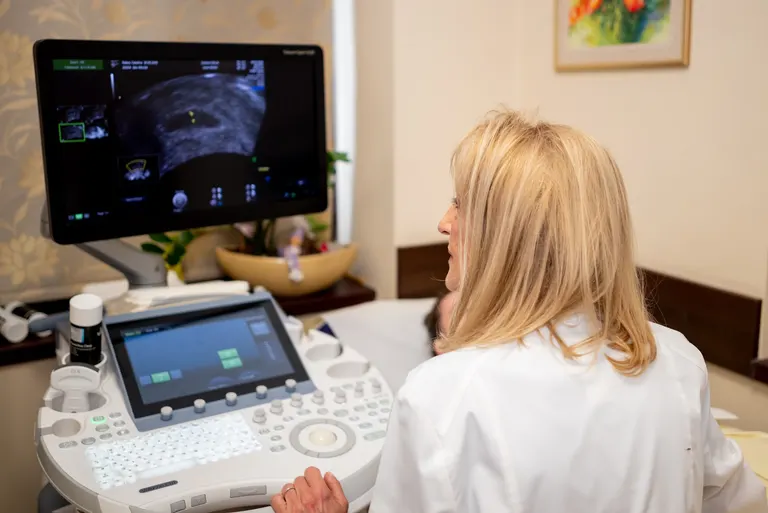
Medicover Fertility in Faridabad enjoys a strong reputation for delivering successful IVF outcomes, often on the first embryo transfer. The clinic is praised for its experienced physicians, especially Dr. Neha Jain and Dr. Shweta Gupta, who provide clear explanations and personalized care. Patients highlight the courteous, cooperative staff—including counsellors Sukhveer, Sadhna, Lalita, and Akanksha—who create a welcoming environment and assist throughout the treatment journey. Facilities are described as clean, well‑maintained, and priced competitively, making the centre attractive to couples seeking affordable options. However, several concerns emerge around financial transparency, with reports of hidden charges, non‑refundable deposits, and unexpected cost escalations. A minority of patients note poor follow‑up after unsuccessful cycles and occasional rudeness from reception personnel. Overall, the clinic is recommended for its medical expertise and supportive atmosphere, provided prospective patients clarify pricing and refund policies before committing.

Romania, Bucharest
star 4.7 (696)

Dr. Hilmi Fertility Clinic Bucuresti

Dr. Hilmi Fertility Clinic is a fertility and reproductive‑medicine clinic located in Bucharest, Romania (Bulevardul Pipera Nr 1/VI, Hyperion Towers, 2nd floor), specializing in comprehensive diagnostic and treatment services for infertility and women’s reproductive health. The center offers a full spectrum of gynecologic and obstetric care, including advanced reproductive diagnostics, uterine cavity evaluation, IVF‑related procedures, treatment of ovarian cysts, pelvic pain, hormonal counseling, cancer screening and Pap‑test services, all delivered with state‑of‑the‑art technology and personalized treatment plans that consider each patient’s unique medical profile. Led by Dr. Hilmi, a recognized specialist in uterine health, the clinic combines his extensive experience with a highly trained multidisciplinary team that emphasizes compassion, professionalism and continuous education, providing weekly community seminars and proactive patient guidance. Patient support includes convenient WhatsApp appointment scheduling, a clear cancellation policy, and dedicated staff who assist with test coordination and emotional counseling, contributing to numerous reported successful pregnancies and high patient satisfaction reflected in testimonials. The clinic’s commitment to innovative care, individualized protocols and a supportive environment distinguishes it as a leading choice for couples seeking to achieve their dream of parenthood.

Romania, Bucharest
star 4.4 (214)

Gynera Fertility Center

Gynera Fertility Clinic is an assisted reproduction clinic located in Bucharest, Romania, specializing in comprehensive IVF and fertility solutions for individuals and couples; it offers a full spectrum of services including fertility screening, standard IVF, IVF with donated eggs or sperm, social freezing, pre‑implantation genetic testing (PGT‑A and PGT‑M), MACS, integrative nutrition and lifestyle programs, and complementary therapies aimed at optimizing success. The clinic highlights a national program success rate of 67 % and a 55 % success rate with frozen embryos, having helped over 30 000 patients and delivering more than 2 000 children since 2019, positioning it among Europe’s top fertility centers. Gynera’s multidisciplinary team—senior obstetrician‑gynecologists, ESHRE‑accredited embryologists, and specialists in genetics and male infertility—delivers personalized, compassionate care while adhering to ISO 9001 quality standards and accreditation by the Romanian Ministry of Public Health and the National Transplant Agency. Unique features include membership in the FutureLife group, AI‑enhanced laboratory processes, and a Ministry of Family financial program offering refunds up to 15 000 RON, complemented by extensive patient support services such as counseling, stress‑management, nutrition guidance, and dedicated case managers throughout the journey.

Romania, Cluj-Napoca
star 4.1 (57)

Venus Med Clinica de Fertilitate

Venus Med in Cluj-Napoca has built a reputation for personalized and empathetic reproductive medicine. Dr. Oana Galan is noted for thorough case reviews, prompt email replies even during vacations, and effective endometriosis management that alleviates pain. Dr. Gîrlovanu Ghinadie delivers impressive IVF outcomes, including high embryo yields and successful first‑transfer pregnancies, leading to multiple joyful births. The clinic’s staff, from receptionists to embryologists such as Marinela Gîrlovanu, consistently provide warm, professional support that makes patients feel welcomed and cared for. Specialized services are also available, exemplified by Dr. Marcel Mustea’s microvascular varicocele surgery with detailed ultrasound assessments. However, recurring scheduling delays, with appointments often starting an hour late, create a conveyor‑belt experience for many. Some patients encounter abrupt communication and perceive high consultation fees as excessive, while administrative requests for repeated document copies add frustration. Overall, Venus Med offers high‑quality medical expertise and compassionate care, but prospective patients should be prepared for potential wait times and cost considerations.

Romania, Cluj-Napoca
star 4.1 (13)

GYNIA Embrio

Romania
star 4.1 (170)

Vardhman Medicare Centre – IVF Center in Gurgaon

Vardhman IVF is a comprehensive fertility clinic located in India, specializing in assisted reproductive technologies and holistic reproductive health care; under the leadership of Dr. Ritu Jain, a highly regarded gynecologist with 25 years of clinical experience, the center offers patient‑centered care that integrates advanced IVF, oocyte and embryo cryopreservation, laparoscopy and hysteroscopy diagnostics, a dedicated hormonal clinic for conditions such as PCOS, high‑risk pregnancy management, as well as child‑care and adolescent health services. Leveraging state‑of‑the‑art ART technology, Vardhman IVF treats both male and female infertility through individualized protocols, while its multidisciplinary team of fertility experts, embryologists, and support staff ensures a collaborative professional approach. Although specific success rates are not disclosed, the clinic emphasizes evidence‑based outcomes and continuous monitoring. Comprehensive patient support includes counseling, educational resources, and a responsive contact system (phone 9999600410, email info@vardhmanivf.in), fostering a supportive environment that guides couples from initial evaluation through successful pregnancy and beyond.

Romania
star 4.0 (154)

Dr. Ritu Jain | Infertility Specialist and IVF Specialist in Gurgaon

Vardhman IVF is a comprehensive fertility and reproductive health clinic located in Gurgaon, India, specializing in advanced infertility treatment and patient‑centered reproductive care. Led by Dr. Ritu Jain, a highly qualified gynecologist with 25 years of clinical experience in infertility, the center offers a full spectrum of services including In‑Vitro Fertilization (IVF), IUI, oocyte and embryo cryopreservation, laparoscopy and hysteroscopy for diagnostic and therapeutic procedures, a hormonal clinic for PCOS and endocrine disorders, high‑risk pregnancy management, adolescent health, and a dedicated child‑care clinic. Leveraging state‑of‑the‑art Assisted Reproductive Technology (ART) and personalized treatment plans, Vardhman IVF emphasizes a compassionate, patient‑focused approach that integrates on‑call consultations, flexible OPD timings, and continuous support through counseling and educational resources. The multidisciplinary team of experienced obstetricians, embryologists, and support staff collaborates closely to optimize outcomes, while the clinic’s commitment to transparency, safety, and individualized care distinguishes it as a trusted partner for couples seeking to build their families.

Romania, Bucharest
star 3.4 (149)

Genesis Athens – Spitalul

Genesis Athens is a leading IVF and fertility clinic located in Athens, Greece, specializing in comprehensive reproductive medicine for both women and men. The center addresses a wide range of conditions including infertility, endometriosis, PCOS, hormonal imbalances, blocked fallopian tubes, low sperm count, recurrent miscarriage, advanced maternal age, uterine fibroids, ovarian cysts, unexplained infertility, and offers fertility preservation before medical treatments. Key services encompass In Vitro Fertilisation (IVF), Intracytoplasmic Sperm Injection (ICSI), Intrauterine Insemination (IUI), blastocyst transfer, genetic testing, donor programmes and advanced fertility preservation techniques, all delivered with state‑of‑the‑art technology and personalized treatment plans. Genesis Athens distinguishes itself through flexible online and in‑clinic appointments, a compassionate, patient‑centred approach, and integrated psychological support from experienced fertility psychologists. The multidisciplinary team includes Prof. Dr. Konstantinos Pantos, Prof. Dr. Radu Vlădăreanu, Dr. Andreas Vythoulkas and Dr. Chadi Muheidli, whose decades of expertise ensure meticulous care at every step. While specific success rates are not disclosed, the clinic promotes its reputation as a leader in IVF excellence in Romania, emphasizing high‑quality outcomes, continuous patient education, and comprehensive support throughout the journey to parenthood.

Popular Destinations in Romania

Explore popular cities and regions in Romania.

Frequently Asked Questions

Everything you need to know about fertility treatment in Romania.

Is sperm donation legal in Romania?

expand_more

Sperm donation is legal in Romania, and the process is supported by a legal framework that accommodates both anonymous and non-anonymous donation options.

The legality of sperm donation is established through Law 95/2006 concerning healthcare reform and the New Romanian Civil Code of 2009, alongside relevant EU directives, allowing for donor sperm to be used in insemination and IVF treatments for married or unmarried heterosexual couples, single women, and same-sex female couples. Donors in Romania have the choice to donate anonymously, where their identity remains confidential, or non-anonymously, with the possibility of their details being disclosed to the child upon reaching adulthood, while being protected from any parental claims.

Licensed sperm banks in Romania adhere to general screening practices, including rigorous health testing of donors, such as blood counts, blood type analysis, and infectious disease screening, though specific Romanian regulations on donor criteria are not extensively detailed.

What is the IVF success rate in Romania?

expand_more

IVF success rates in Romania vary, but some clinics report rates exceeding the European average, particularly for women aged 20-38 with pregnancy rates over 60% per embryo transfer and clinical pregnancy rates over 50% in 2024.

While a uniform national average is not available, Embryos clinic reports these higher success rates compared to the European average of around 33.5% according to ESHRE data. Success rates generally decrease with age, mirroring international trends, with rates potentially ranging from 40-50% for women under 35, falling to 30-35% for those aged 35-37, and 20-25% for women aged 38-40. Using donor eggs significantly increases success rates, especially for older women, potentially reaching 35% per cycle for those aged 43-44, compared to below 5% with their own eggs.

Romania previously had a national IVF program offering vouchers to cover approximately half of IVF expenses, around $3,273 USD, though historical data from 2009 indicated Romania had one of the lowest IVF delivery rates among surveyed European countries.

Why choose Romania for IVF?

expand_more

Romania is becoming a popular choice for IVF treatment due to its affordability, inclusive laws, high-quality medical care, and ease of access for those traveling from other countries.

Treatment costs in Romania are considerably lower than in Western Europe and the United States, with potential savings of 40-60%; basic IVF cycles can range from €1,350 to €4,500, and donor egg IVF from €6,000 to €6,500. Romanian law allows access to fertility treatments for heterosexual couples, single women, and female couples, and clinics boast success rates exceeding the European average, such as Embryos reporting over 60% pregnancy rates per embryo transfer for women aged 20-38 in 2024 and Gynera Fertility Center highlighting a 67% national program success rate.

Romania also offers a diverse pool of egg and sperm donors, with both anonymous and altruistic options, and permits the import of donor gametes. Furthermore, patients often experience shorter waiting times for treatment and may be eligible for financial assistance programs like Bucharest’s “FIV3 – A Chance for Infertile Couples,” which can provide up to €3,000 towards medication and procedures.

Is egg donation legal in Romania?

expand_more

Egg donation is legal in Romania and is considered a voluntary and anonymous medical act, regulated by European directives.

Donors must be between 20 and 33 years old, though some sources suggest a range of 18 to 45, with a focus on 18-35 for optimal egg quality. Potential donors undergo extensive medical and psychological screening, including tests for infectious diseases, genetic conditions, and overall health. Romanian law strictly prohibits commercial egg donation; however, reasonable expenses related to the donation process, such as travel and medical tests, are covered.

Due to a limited number of anonymous oocyte donors within Romania, many patients choose to utilize frozen eggs imported from international egg banks, and while not specifically detailed for Romania, other European countries limit the number of children born from a single donor to prevent genetic overlaps.

What is the age limit for IVF in Romania?

expand_more

The age limit for IVF in Romania depends on whether you are accessing treatment through the public National IVF Programme or a private clinic, and whether you are using your own eggs or donor eggs.

For the National IVF Programme, women must be between 20 and 45 years old to qualify for funding, regardless of whether they are using their own eggs or donor eggs. Private clinics often have different policies, with many setting an upper age limit of 48 for women using their own eggs, and extending this to 50 years for those using donor eggs.

Generally, there is no upper age limit for men undergoing IVF treatment in Romania, although each patient’s medical suitability is assessed individually by the clinic, and this applies regardless of whether treatment is public or private.

When was the first IVF baby born in Romania?

expand_more

The first IVF baby in Romania, named Daniel, was born on February 6, 1996.

This significant event took place almost twenty years after the birth of Louise Brown, the world’s first IVF baby, in 1978, and established Romania as the 18th country worldwide to successfully achieve an IVF birth. The pioneering work leading to this milestone is largely credited to Dr. Ioan Munteanu, who founded a center for laparoscopy, laparoscopic surgery, IVF, and embryo transfer in Timișoara between 1993 and 1995.

Dr. Munteanu officially opened Romania’s first IVF clinic on May 20, 1995, with crucial support from the German Red Cross, under the leadership of Dr. D. Theatho at the Obstetric and Gynecology Clinic of “Bega” University, marking the achievement of the first successful in vitro fertilization and human embryo transfer in Romania in 1995.

Are egg donors anonymous in Romania?

expand_more

Egg and sperm donations are typically anonymous in Romania, with clinics providing prospective parents with anonymized donor information.

This information can include details like age, ethnicity, height, weight, eye color, hair color, education, and hobbies, while donors undergo thorough medical and genetic screening to meet strict health standards. Although donation is generally anonymous, Romania utilizes a mixed system in some cases, allowing donors to choose between anonymity or making their data available to future offspring, and patients can select their preferred level of anonymity.

Currently, there are no specific details regarding Romanian laws that would allow donor-conceived children to access a donor’s identity at age 18, nor have there been any recent changes to anonymity laws.

Can lesbians do IVF in Romania?

expand_more

Yes, lesbians can do IVF in Romania, and have legal access to fertility treatments including IVF.

This access is supported by a 2005 Constitutional Court ruling which found it unconstitutional to deny medically assisted reproduction based on marital status or sexual orientation, ensuring lesbian couples are not excluded from pursuing parenthood through IVF. Donor sperm is available through fertility clinics collaborating with sperm banks, where donors undergo thorough health and genetic screening.

The legal framework for parental recognition for both partners can be complex, particularly with donor involvement; motherhood is determined by birth, and fatherhood is established by the donor’s prior consent. While IVF is permitted, publicly funded programs generally offer only one funded cycle, with additional treatments at the couple’s expense.

How much does IVF cost in Romania?

expand_more

The cost of IVF in Romania generally ranges from €1,350 to €7,500, though recent pricing suggests an average of around €5,880 for IVF with ICSI, with prices between €4,900 and €6,860.

Some clinics advertise starting prices as low as €1,900 for IVF. It’s important to note that medication costs are additional and typically range from €800 to €2,000 per cycle, with an estimated average around €1,000. IVF cycles with egg donation can vary significantly, from €4,460 to €12,600, with some estimates focusing on a range of €6,000 to €6,500, while donor oocytes are often a separate cost.

Additional procedures like ICSI are often included, especially with male factor infertility, and PGT-A testing can cost between €500 and €1,500 per embryo, depending on the laboratory. Many clinics offer packages, but diagnostics, medication, FET, and genetic testing are frequently billed separately, so requesting a detailed invoice is recommended to understand all potential expenses.

Is surrogacy legal in Romania?

expand_more

Surrogacy is not explicitly legal or prohibited in Romania, existing in a legal gray area and generally considered banned in practice.

Romanian courts do not recognize surrogacy contracts, and there are no specific laws governing the procedure, meaning both altruistic and commercial arrangements are not legally recognized. Maternity is established by birth, making the surrogate mother the legal parent, and intended parents would typically need to adopt the child after birth to gain legal parental rights; for heterosexual couples, the birth certificate can list the intended parents, while same-sex couples face limitations with adoption and may establish guardianship for the non-biological parent.

Intended parents have no enforceable parental rights, and pursuing surrogacy abroad with the intent to adopt the child back into Romania is a criminal offense for Romanian citizens. If a surrogate mother refuses to relinquish the child, intended parents may need to pursue legal action, potentially utilizing genetic testing to establish filiation.

How does IVF work in Romania?

expand_more

IVF treatment in Romania involves a multi-stage process, beginning with an initial consultation and continuing through embryo transfer and follow-up care.

The typical protocol starts with ovarian stimulation, where medication is used to suppress the natural menstrual cycle followed by hormone administration to encourage multiple egg development over approximately 12 days. Eggs are then retrieved, fertilized with sperm in a laboratory, and cultured for up to 120 hours until they reach the blastocyst stage. Finally, embryos are transferred to the woman’s womb after progesterone medication prepares the uterine lining, and a pregnancy test is performed to assess the outcome.

Romania has a national IVF program offering financial aid through vouchers to eligible individuals and couples, and international patients usually require a two-week stay to complete a full treatment cycle, encompassing stimulation, retrieval, and transfer.

Is reciprocal IVF (ROPA) allowed in Romania?

expand_more

Reciprocal IVF (ROPA) is not explicitly provided for in Romanian law, but lesbian couples are legally permitted to access fertility treatments, including IVF, due to a 2005 Constitutional Court ruling prohibiting discrimination based on marital status or sexual orientation.

This ruling allows lesbian couples to pursue parenthood through IVF using donor sperm, though ROPA itself isn’t specifically legislated for. Legal recognition of both partners as parents in a ROPA arrangement would likely require navigating existing assisted reproduction and parental rights laws, potentially with legal consultation. Romania currently lacks provisions for joint or second-parent adoption, but parental responsibility is shared equally by both parents until the child reaches legal capacity.

Couples seeking fertility treatments within Romania’s national program must meet specific criteria, including a specialist’s indication, health insurance, and age (24-40 for female patients), BMI (20-25), and ovarian reserve (AMH minimum 1.1 ng/ml) requirements. Several fertility clinics operate in Romania, including Gynera Fertility Clinic, Umana Fertility, and Gynia Embrio IVF Center, among others.

Is IVF legal in Romania?

expand_more

In Vitro Fertilization (IVF) is legal and accessible in Romania, though the country does not have a single, comprehensive law specifically for assisted reproduction.

Instead, the practice is governed by a combination of existing legislation, including the Civil Code and general healthcare laws. The Civil Code, enacted in 2011, addresses aspects of medically assisted reproduction, particularly regarding third-party donors, while Law no. 95/2006 on the Reform of the Healthcare System, which implements EU directives, covers aspects of assisted reproduction related to tissues and cells. The Ministry of Family, Youth and Equal Opportunities oversees a National Program for IVF and Embryo Transfer, offering financial support to those who meet the eligibility criteria.

To be eligible for the national program, applicants must be Romanian citizens residing in Romania, insured within the Romanian social health insurance system, and the woman must be between 20 and 45 years old. The IVF procedure must also be performed in an authorized Romanian medical unit, and infertility must be medically diagnosed with a recommendation for IVF.

Is embryo donation legal in Romania?

expand_more

Embryo donation is legal in Romania and is offered by fertility clinics throughout the country.

The legal framework permits medically assisted reproduction with third-party donors, allowing for the creation and use of embryos for reproductive purposes, although research on embryos is prohibited. Both donors and recipients are required to provide written informed consent, relinquishing all rights to the embryo and any resulting child, and the process is typically conducted anonymously, though specific clinic policies regarding donor identification should be verified.

Eligible recipients include heterosexual couples, married or unmarried, and single women, while single men and male couples do not qualify for this treatment. Romanian citizenship, residency, and health insurance are required for those seeking treatment through national funding programs.

Can single women do IVF in Romania?

expand_more

Yes, single women can pursue IVF treatment in Romania, and the country permits access to fertility treatments including IVF with donor sperm.

Romanian fertility clinics welcome single women, offering options like IUI, IVF, and the use of donor gametes; however, these treatments are not available to single men or male couples. Single women can utilize donor sperm for their IVF procedures, with donations generally being anonymous and altruistic, though importing sperm from international banks is also possible. Age restrictions apply, with a typical upper limit of 48 years for using own eggs and 50 years for donor eggs.

Romania also provides a national IVF voucher program offering financial assistance to eligible single women and heterosexual couples, providing up to 15,000 RON towards medication and procedures. To qualify for this funding, applicants must be Romanian citizens residing in Romania, insured within the public health system, between 20 and 45 years old, and have a confirmed infertility diagnosis, with treatment performed at an accredited clinic.

Can you choose gender with IVF in Romania?

expand_more

Gender selection with IVF in Romania is generally not permitted, except in cases of medical necessity.

The Romanian regulations prohibit Preimplantation Genetic Diagnosis (PGD) or Preimplantation Genetic Testing (PGT) being used for non-medical reasons like family balancing. However, these tests are allowed when there’s a risk of passing on serious sex-linked genetic diseases, such as hemophilia or Duchenne muscular dystrophy, and identifying the embryo’s sex is essential for preventing the transmission of these conditions.

Can gay couples do IVF in Romania?

expand_more

In Romania, male same-sex couples can pursue parenthood through IVF using donor eggs and surrogacy, though there are specific legal and practical aspects to consider.

Romania permits the use of donor eggs, often imported from international egg banks due to a limited supply of anonymous oocyte donors within the country, and egg donation is legally considered a voluntary and anonymous act. Surrogacy is not explicitly prohibited but lacks legal recognition, meaning the process can be undertaken, but establishing legal parentage can be complex; it is a common pathway to parenthood for male same-sex couples when combined with donor eggs.

Typically, the biological father and the surrogate mother are initially listed on the birth certificate, with subsequent legal amendments possible to include the second intended father, and rulings from the European Court of Justice support the recognition of parent-child relationships established in other EU member states within Romania, though legal intervention may be needed to finalize parental recognition for children born through surrogacy.