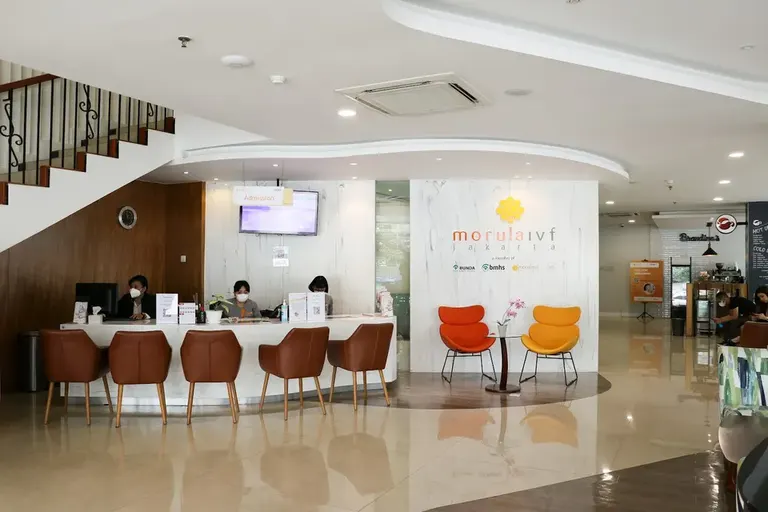
Best IVF and Fertility Clinics in Indonesia
Top IVF Clinics in Indonesia
Clinics with the highest ratings and verified quality care in this region.
Brawijaya IVF Center
Benih IVF Center is a comprehensive fertility clinic located in Indonesia, operating under the Brawijaya Hospital Group, and specializes in personalized assisted reproductive technologies for both women and men. The center offers a full spectrum of services including in‑vitro fertilization (IVF) with frozen‑embryo transfer, egg freezing, fertility preservation for cancer patients, male infertility treatments such as sub‑fertility management and genetic screening, and advanced diagnostics for conditions like PCOS, endometriosis, tubal blockage and recurrent miscarriage. Its distinctive Fischer Concept Protocol—developed by world‑renowned fertility expert Dr. Robert Fischer of Germany—provides hormone‑tailored regimens and precise timing for each couple, while a multidisciplinary team led by Dr. M. Luky Satria, Sp.OG(K)-FER and comprising gynecologists, andrologists, embryologists, psychologists and lactation counselors ensures a holistic, evidence‑based approach. Benih IVF Center reports a 66.7 % pregnancy success rate for patients over 40, including a 66.7 % rate for women aged 41‑42 using frozen‑embryo transfer in 2024. The clinic emphasizes privacy, comfort, and empathetic care through warm consultation spaces, transparent communication, and continuous emotional and psychological support throughout every stage of the fertility journey.
Klinik Bayi Tabung | ASHA IVF RS PHC SURABAYA
Asha IVF Indonesia is a specialized fertility and assisted‑reproduction clinic located throughout Indonesia, operating in major partner hospitals such as RS PHC, Jaladri RSPAL and Waron Hospital and soon expanding to Nusraya IVF Makassar, and it focuses on helping couples overcome infertility through high‑quality IVF (Bayi Tabung) and related technologies. The clinic offers a comprehensive suite of services including assisted reproductive techniques, infertility preservation, implantation optimization, pre‑implantation genetic testing (PGT), laparoscopy, and a range of fertility‑health tools such as ovulation calculators, self‑assessment questionnaires and nutritional guidance. Distinctive features include its integration into the state‑owned IHC hospital network, use of modern international‑standard equipment, and a proven track record of “high success rates” for IVF cycles, which is highlighted in patient testimonials. A team of certified OB‑GYN specialists—Dr. Esmond Winarko, Dr. Letizia A, Dr. Andra Kusuma Putra, Dr. Amang Surya P., Dr. Uning Marlina, Dr. Ali Mahmud and Dr. Hendrik Juarsa—provides personalized, compassionate care, while dedicated support staff ensure continuous emotional and logistical assistance via WhatsApp consultation, reservation services, and educational resources, creating a supportive environment for every step of the fertility journey.
Ciputra IVF – Jakarta Barat
Ciputra IVF Center is a fertility clinic located at Jl. Boulevard Blok G 01 No.01, Citra 5 – CitraGarden City, Jakarta Barat, Indonesia, specializing in assisted reproductive technologies such as in‑vitro fertilisation (IVF) to help couples achieve healthy pregnancies. The centre offers a comprehensive suite of services including thorough fertility examinations for both partners, customised pregnancy programmes, intra‑uterine insemination (IUI), ovulation induction, IVF, ICSI, sperm freezing, advanced embryo monitoring with a VIP incubator time‑lapse system, laser‑assisted hatching, genetic testing (PGT‑A), platelet‑rich plasma (PRP) ovarian therapy, DNA fragmentation index analysis, and a full range of male‑factor procedures (MESA, PESA, TESA, TESE) as well as surgical fertility enhancement. Unique features include state‑of‑the‑art laboratory equipment, real‑time embryo quality assessment, and extensive patient education through online calculators, articles and regional fertility talks. A multidisciplinary team of experienced reproductive endocrinologists, embryologists and urologists delivers personalised, evidence‑based care, while dedicated counselling and support services guide patients through every step of their journey toward parenthood.
MORULA IVF MAKASSAR
I’m sorry, but the content you provided does not contain any information about an IVF or fertility clinic, so I’m unable to create the requested clinic description.
Morula IVF Tangerang
Morula IVF Indonesia is a world‑class fertility clinic located across major Indonesian cities including Jakarta, Surabaya, Makassar, Tangerang and Ciputat, specializing in assisted reproductive technologies such as in‑vitro fertilization (IVF), intra‑uterine insemination (IUI) and comprehensive fertility screening; the center highlights a reported 77 % overall pregnancy success rate and notes that one‑half of all IVF‑born babies in Indonesia have been created through its programs, underscoring its distinctive impact. Key services include IVF‑baby‑tube cycles, IUI, detailed infertility assessments, ovulation induction, blastocyst culture, and tailored fertility packages, all supported by a structured patient journey that begins with an initial assessment by a Fertility Advisor, followed by specialist consultation, transparent financial counseling and coordinated scheduling for labs and procedures. The clinic’s team comprises highly experienced OB‑GYN doctors, certified fertility specialists, dedicated nurses and supportive staff who emphasize personalized care, thorough explanation of each step, and a compassionate, patient‑centered approach. Patient support is further enhanced by comfortable, clean facilities offering refreshments, fast‑response communication, multilingual resources, and ongoing emotional guidance, making Morula IVF Indonesia a trusted partner for couples striving to build their families.
Dr. dr. Adek Amansyah, M.Biomed, Sp.O.G, Subsp.F.E.R | Spesialis Kebidanan – Subspesialis Fertilitas Endokrinologi Reproduksi
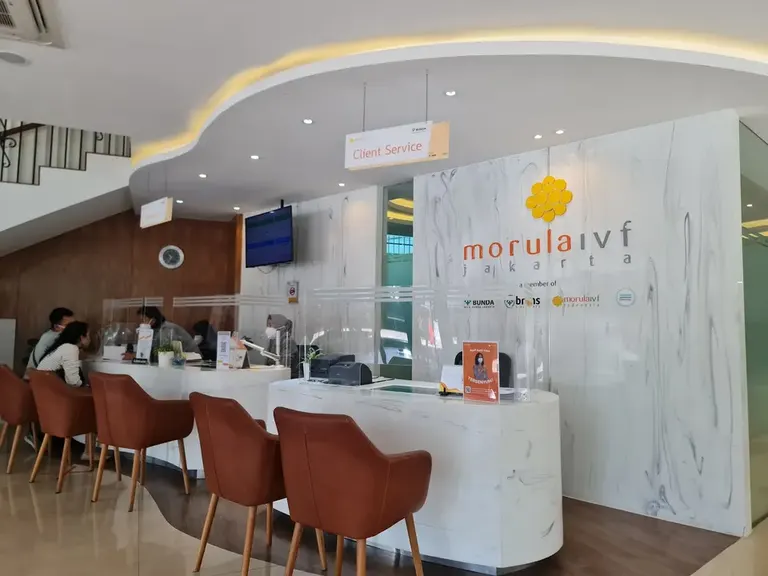
This fertility clinic, spearheaded by Dr. Adek Amansyah, boasts a reputation for providing exceptional care, personalized treatment plans, and successful outcomes for patients seeking assistance with conception and obstetric needs. Patients frequently commend the clinic for its friendly atmosphere, thorough explanations, and the doctor's compassionate approach, making the experience both reassuring and educational. However, some reviews note the clinic's higher pricing, which may deter potential patients on a budget.
Morula IVF Margonda
Morula IVF Indonesia is a world‑class fertility clinic located across major Indonesian cities such as Jakarta, Surabaya, Makassar, Tangerang, and Ciputat, specializing in assisted reproductive technologies to help couples achieve pregnancy; the clinic highlights a 77% overall pregnancy success rate and reports that one‑half of all IVF babies born in Indonesia are from Morula, underscoring its leading position. Core services include in‑vitro fertilization (IVF), intra‑uterine insemination (IUI), comprehensive fertility screening, ovulation induction, and personalized fertility assessments, all supported by a dedicated team of top‑rated OB‑GYN specialists, experienced fertility advisors, and compassionate nursing staff who provide detailed medical consultations, financial counseling, and coordinated scheduling. Unique features comprise state‑of‑the‑art laboratory facilities, high thawing survival, fertilization, and blastocyst rates, as well as a patient‑centered environment offering comfortable waiting areas, refreshments, and fast‑response support. The clinic’s professional approach emphasizes thorough initial assessments, transparent communication, and continuous emotional support, while its extensive network of locations and promotional programs make advanced reproductive care accessible throughout Indonesia.
Klinik Fertilitas Morula RSU BMC Padang
Morula IVF Indonesia is a world‑class fertility clinic headquartered in Jakarta with multiple branches across Indonesia (including Surabaya, Makassar, Ciputat, Tangerang and other major cities), specializing in assisted reproductive technologies such as in‑vitro fertilization (IVF), intra‑uterine insemination (IUI) and comprehensive fertility screening; the center proudly advertises a 77 % overall success rate and notes that one‑half of all IVF babies born in the country have been created through its programs, underscoring its leading position in the field. Morula offers a full suite of services—from initial assessment with a dedicated Fertility Advisor, detailed medical consultation by experienced OB‑GYN specialists, personalized financial counseling, and coordinated scheduling of blood tests and procedures—to advanced laboratory work including thawing survival, fertilization, blastocyst development and pregnancy monitoring. The clinic’s distinctive features include a patient‑centered approach that emphasizes listening, respect and holistic care, comfortable, spacious facilities with amenities such as complimentary coffee, tea and snacks, and a multilingual support team of doctors, nurses and advisors who provide clear explanations and fast‑response assistance throughout the journey. Continuous education through an online article library and regular promotional packages further enhance the supportive environment for couples striving to build their families.
Morula IVF Denpasar
Morula IVF Indonesia is a world‑class fertility clinic network located across Indonesia, with flagship centers in Jakarta, Ciputat, Tangerang, and eight other major cities, specializing in assisted reproductive technologies such as in‑vitro fertilization (IVF), intra‑uterine insemination (IUI), comprehensive fertility assessments, and couple‑screening packages; the clinic boasts a reported 77 % IVF success rate, the highest in the country and comparable to leading global centers, and has helped more than one million patients since its founding in 1997. Morula’s unique features include RTAC (International IVF Standard) certification, cutting‑edge laboratory techniques like IMSI, assisted hatching, and advanced blastocyst culture, as well as a dedicated research team that continuously upgrades protocols. The multidisciplinary team—renowned OB‑GYN doctors, embryologists, scientific researchers, fertility advisors, and compassionate nursing staff—provides a personalized, empathetic approach, guiding couples from the first assessment through financial counseling, scheduling of blood tests, and step‑by‑step treatment planning. Patient support services extend to comfortable waiting areas with refreshments, fast‑response communication, and continuous emotional support, ensuring a holistic experience that combines clinical excellence with caring mentorship throughout the journey to parenthood.
Klinik Fertilitas Signum
Signum Fertility Clinic, operating within RS Husada Utama in Indonesia, is a dedicated fertility centre specializing in assisted reproductive technologies such as IVF, ICSI, intra‑uterine insemination (UI) and fertility preservation for both male and female patients. The clinic offers a full spectrum of services including ovarian stimulation, oocyte pick‑up (OPU), embryo culture, embryo transfer, ICSI micromanipulation, male factor therapy, comprehensive pre‑treatment diagnostics, and personalized treatment plans, all supported by modern laboratory facilities and a streamlined online‑registration and WhatsApp‑based consultation system. Unique to Signum are its “simple, less invasive” UI technique, advanced embryology expertise, and a commitment to individualized care that integrates scientific rigor with compassionate counseling, ensuring each couple receives honest advice and a tailored pathway to parenthood. While exact figures are not disclosed, the clinic emphasizes competitive success rates achieved through comprehensive diagnosis, cutting‑edge science, and a multidisciplinary team of obstetrics‑gynecology specialists, embryologists and nursing staff. Patient support extends to 24‑hour WhatsApp contact, flexible clinic hours, counseling sessions with trained nurses, educational resources on fertility, and ongoing emotional support throughout every treatment cycle.
Kato Ojin Fertility Center
Popular Destinations in Indonesia
Explore popular cities and regions in Indonesia.
Frequently Asked Questions
Everything you need to know about fertility treatment in Indonesia.
What is the IVF success rate in Indonesia?
expand_more
The IVF success rate in Indonesia varies depending on the mother’s age, with recent data indicating rates from 31% to 55%. National averages have shown improvement over the years, and some clinics report figures that are comparable to international standards.
In 2017, the national average IVF success rate was 29%. More recent data from Bocah Indonesia in 2024 shows a 55% pregnancy success rate for mothers under 35, 48% for those aged 35-39, and 31% for those 40 and above. A study from 2011-2020 found the overall pregnancy rate ranged between 24.6% and 37.3% for all ages, while another study in 2019 reported rates of 35.70% for those under 30, decreasing to 14.50% for women over 43.
Bocah Indonesia reports their success rates are achieved using the couple’s own eggs and sperm, and internationally, IVF with donor eggs often shows higher success rates, particularly with increasing maternal age, potentially ranging from 40% to 60% or even above 75% per embryo transfer with young donors. Bocah Indonesia’s reported rates are noted as being higher than the average rates reported by the UK’s HFEA.
Is reciprocal IVF (ROPA) allowed in Indonesia?
expand_more
Reciprocal IVF (ROPA) is not permitted in Indonesia under the current legal framework, as regulations restrict IVF treatment to legally married, heterosexual couples.
Indonesian law requires that both eggs and sperm used in IVF originate from the couple undergoing treatment, which prohibits gamete donation, surrogacy, and uterine transplantation; therefore, ROPA, which necessitates donor sperm, is not legally allowed. Parental recognition is also tied to the legality of the marriage, and as ROPA is not permitted for same-sex couples, the issue of parental recognition for both partners in a ROPA scenario does not arise within the current legal context.
Although clinics like Morula IVF Indonesia, Bocah Indonesia, and Brawijaya Women & Children Hospital offer IVF services, they operate under the existing regulations that limit IVF to legally married, heterosexual couples, and no clinics are known to offer ROPA within Indonesia.
What is the age limit for IVF in Indonesia?
expand_more
In Indonesia, there is no specific legal maximum age for undergoing IVF, but medical and ethical factors, as well as individual clinic policies, play a significant role in determining eligibility.
While there isn’t a strict legal upper age limit, fertility generally declines with age, with the optimal range for IVF success being between 25 and 35 years old. Success rates decrease after 35, and can be around 10-15% per cycle by age 40, and 15-20% for women over 45, though specialized approaches may be available. Some clinics may not offer treatment to women aged 40 and above, while others assess each case individually based on overall health and medical factors, so direct consultation with clinics is recommended.
It is important to note that Indonesian law prohibits the use of donor eggs, sperm, or embryos, meaning all gametes must come from the legally married couple, and there are therefore no separate age limits for using own eggs versus donor eggs.
Is IVF legal in Indonesia?
expand_more
IVF is legal in Indonesia, but only for legally married couples, and is subject to specific regulations.
The practice of assisted reproductive technology, including IVF, is governed by Indonesian Law Number 36 of 2009 concerning health, and Law No. 17 of 2023 on Health, with further guidance provided by Ministry of Health (MOH) Regulation No. 2 of 2025. These laws require proof of legal marriage and stipulate that both the sperm and eggs used in the IVF process must come from the couple themselves, prohibiting the use of donor gametes or surrogacy.
Furthermore, IVF procedures can only be carried out in hospitals and clinics specifically licensed by the Ministry of Health, and any excess embryos created during the process must be stored until the birth of a child, with the possibility of extending the storage period for future pregnancies.
Can gay couples do IVF in Indonesia?
expand_more
Currently, gay couples face significant legal and practical obstacles to accessing IVF treatment in Indonesia, as the procedures are generally restricted to legally married heterosexual couples.
While IVF and assisted reproductive technologies are available in Indonesia at clinics such as Morula IVF, Abdi Waluyo Hospital, and Bocah Indonesia, a key requirement is legal marriage, which is not permitted for same-sex couples. Furthermore, although gamete donation is technically permitted, it is rarely practiced due to legal interpretations and religious beliefs, and Indonesian health guidelines restrict gamete use to the couple seeking treatment. Surrogacy is explicitly prohibited by Indonesian law, adding another barrier for same-sex couples hoping to start a family through assisted reproduction.
Indonesia does not legally recognize same-sex marriage or any equivalent partnerships, which further complicates parental recognition and adoption rights for same-sex couples, impacting their ability to establish legal parentage for children conceived through any means.
Can lesbians do IVF in Indonesia?
expand_more
Lesbian couples are not eligible for IVF treatment in Indonesia, as the law requires individuals undergoing IVF to be legally married, and same-sex marriage is not legally recognized in the country.
Indonesian law, specifically Law Number 36 of 2009, mandates that IVF services are exclusively available to heterosexual married couples. Because same-sex couples are not recognized legally, they do not have the legal status required to access these treatments. Furthermore, sperm donation is not legally recognized and a proposed bill seeks to criminalize it, adding another barrier to access for lesbian couples seeking to utilize donor sperm in IVF.
Legal parentage in Indonesia is determined by lawful marriage between a man and a woman, meaning there is no legal framework to recognize both partners in a lesbian relationship as parents to a child conceived through ART. Restrictions on IVF, sperm donation, surrogacy, and third-party gametes are heavily influenced by religious and moral considerations within the country.
Is sperm donation legal in Indonesia?
expand_more
Sperm donation is strictly prohibited in Indonesia, and a proposed bill from 2020 sought to criminalize the practice.
Article 31 of the proposed bill on family resilience stipulated penalties for those involved in sperm donation, including fines up to Rp 500 million (approximately US$36,531) and imprisonment for up to five years for donors, and up to seven years for facilitators or those who coerce others. The Indonesian Ulemas Forum (MUI) has also declared sperm banks “haram,” citing moral and religious concerns regarding the origin and identity of children born through sperm donation.
Because sperm donation is illegal, there are no legally defined donor requirements or established compensation policies in Indonesia, although international sperm banks generally have stringent criteria for donors, such as age, health, and comprehensive medical screenings.
Is surrogacy legal in Indonesia?
expand_more
Surrogacy is prohibited in Indonesia, and there are no laws currently in place to legalize or regulate the practice.
Both altruistic and commercial surrogacy are considered illegal and are often carried out secretly, typically involving family members. Under Indonesian law, a child born through surrogacy is legally recognized as the child of the surrogate mother, not the intended parents, and intended parents would need to pursue adoption to establish legal parentage.
While specific penalties for individuals are not clearly defined, medical professionals providing surrogacy services face severe consequences, and surrogacy agreements are considered legally invalid. The practice is also viewed as conflicting with religious and cultural norms in Indonesia.
Can single women do IVF in Indonesia?
expand_more
Currently, single women cannot legally undergo IVF in Indonesia due to regulations that restrict the procedure to legally married couples.
Indonesian law, specifically Law Number 36 of 2009 concerning health, permits IVF but only for married couples. Furthermore, practices like sperm donation and surrogacy, which would be necessary for a single woman to pursue IVF, are strictly prohibited and carry significant legal penalties. The prohibition of sperm donation is rooted in its classification as human organ trading, leading to legal complexities surrounding parentage and inheritance.
While there are no specific age limits defined for single women regarding IVF access (as it is not permitted), success rates for IVF in Indonesia generally decline with age, ranging from 35-55% for women aged 25-30 to 15-21% for those over 40. Public funding for family planning does not extend to single individuals seeking fertility treatments like IVF.
Is embryo donation legal in Indonesia?
expand_more
Embryo donation is not explicitly regulated or permitted under current Indonesian law, as the legal framework emphasizes that eggs and sperm must originate from the intended parents.
The legal basis for assisted reproductive technology (ART) in Indonesia includes Law Number 36 of 2009 concerning Health, Law No. 17 of 2023, and Government Regulation No. 28 of 2024, but these laws do not contain specific provisions addressing embryo donation. There is a general absence of national legislation directly addressing this practice.
While anonymity is mandated for sperm and egg donors, the lack of specific laws regarding embryo donation means that anonymity rules in this context are not clearly defined, though the existing principles suggest identification of embryo donors would likely not be permitted.
Can you choose gender with IVF in Indonesia?
expand_more
In Indonesia, gender selection for non-medical reasons using IVF is a complex issue with varying interpretations and practices. While some clinics may offer gender selection through Preimplantation Genetic Testing (PGT), the legal and ethical framework surrounding this practice is not as clearly defined as in some other countries.
Currently, Indonesian regulations permit sex selection using Assisted Reproductive Technology (ART) primarily based on the sequence of children, allowing it for the second child without explicitly differentiating between medical and non-medical reasons. This approach was regulated by Government Regulation No. 61, Article 44, 2014 on Reproductive Health. However, there are differing professional opinions, with the Indonesian Society of Obstetrics and Gynecological (POGI) suggesting that sex selection in ART should be implemented only for medical reasons.
For medical reasons, gender selection is ethically acceptable and is used to avoid the transmission of sex-linked hereditary diseases, such as hemophilia or Duchenne muscular dystrophy. PGT is a method used to test embryos for genetic abnormalities, including their sex, before implantation. This allows for the selection of embryos free from specific genetic conditions that are linked to a particular gender.
While some sources indicate that gender selection is possible through PGT in Indonesia, the broader ethical and legal landscape remains a point of discussion. The practice of non-medical sex selection is generally controversial internationally, with many countries prohibiting it due to concerns about gender discrimination and the potential for eugenics.
How much does IVF cost in Indonesia?
expand_more
The cost of In Vitro Fertilization (IVF) in Indonesia offers a more affordable alternative compared to many Western countries, with prices varying based on the clinic, treatment plan, and any additional procedures required. Generally, a complete IVF cycle can range from approximately $2,000 to $7,000 USD.
The price for a basic IVF cycle in Indonesia typically falls between $2,000 and $4,600 USD, with some sources indicating a range of $2,000 to $4,500 USD. These packages often include essential services such as initial consultations, fertility examinations, hormonal medications, egg retrieval, and fertilization.
Information regarding the specific cost of IVF with egg donation in Indonesia is not readily available in the provided search results. However, in other regions, egg donation programs can range from $5,000 to $8,000 USD.
Medication costs for IVF in Indonesia are estimated to be between $35 to $50 USD.
ICSI is frequently offered as a package with IVF, with prices for IVF-ICSI packages ranging from $2,000 to $4,660 USD. Some sources suggest that ICSI itself can add an average of $1,500 to $3,000 USD to the overall cost in the US, covering specialized work and equipment. Globally, ICSI cycles can range from $3,000 to over $25,000 USD, with location being a major factor.
PGT services are available in Indonesia, with PGT-A charges estimated between $500 to $700 USD. This procedure is typically performed if specific conditions are present in the parents and is often not included in standard IVF packages. In other regions, PGT-A testing, including assisted hatching and biopsy per embryo, can cost between 515 EUR and 580 EUR (approximately $550-$630 USD).