Best IVF and Fertility Clinics in Netherlands
Top IVF Clinics in Netherlands
Clinics with the highest ratings and verified quality care in this region.

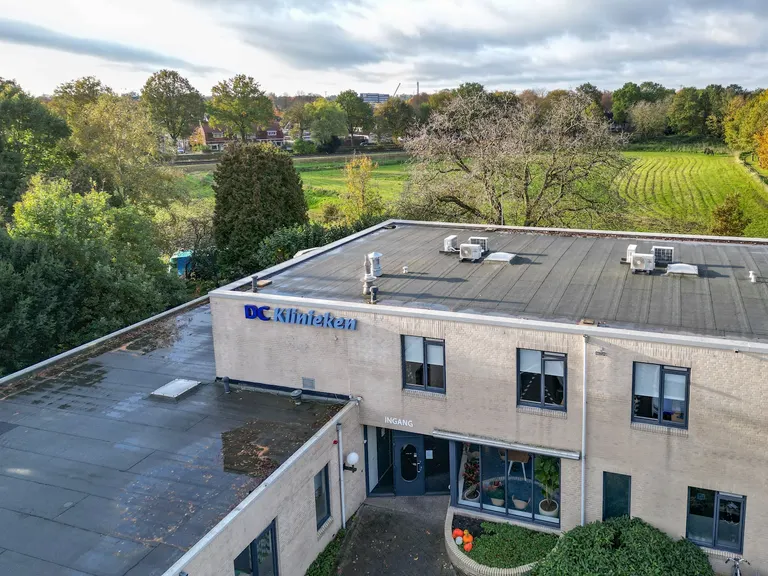
Nij Linge
Nij Clinics is a comprehensive fertility clinic network located in the Netherlands with three modern sites in Elsendorp, Gorinchem and Wolvega, specializing in personalized reproductive medicine to help individuals and couples realize their dream of parenthood. The clinics offer a full spectrum of services including ovulation induction, intra‑uterine insemination (IUI) with or without donor sperm, IVF, ICSI, the ROPA shared‑IVF method, high‑technology surrogacy, extensive fertility investigations, semen analysis, ovulation detection and prediction, as well as egg and sperm cryopreservation. Unique features include a collaborative IVF program in Gorinchem with an external centre, a dedicated high‑tech surrogacy pathway, and a strong emphasis on cutting‑edge laboratory techniques overseen by experienced embryologists such as Janneke Brink and Els Slappendel. Patient satisfaction is reflected in an 8.7 rating for positive clinic experiences, and the multidisciplinary team—comprising gynaecologists, a fertility physician, and clinical embryologists—delivers a professional, compassionate approach that places the patient’s wish at the centre of care. Comprehensive pre‑conception counselling, psychosocial support, and tailored follow‑up ensure that every patient receives holistic guidance throughout their fertility journey.
Nij Geertgen – Center for Fertility
Nij Clinics is a comprehensive fertility clinic network located in the Netherlands with three modern facilities in Elsendorp, Gorinchem and Wolvega, specializing in personalized assisted reproductive technologies and family‑building solutions. The clinic’s main focus is to turn the dream of parenthood into reality through a full spectrum of services including ovulation induction, intra‑uterine insemination (IUI) with or without donor sperm, IVF, ICSI, the ROPA shared‑IVF method, high‑tech surrogacy (HTDM), egg and sperm cryopreservation, detailed fertility investigations, ovulation detection and pre‑conception counselling. Distinctive features include the use of state‑of‑the‑art laboratory techniques, collaborative treatment pathways for certain procedures, and a commitment to accessible, inclusive care reflected in a patient satisfaction score of 8.7. A multidisciplinary team of experienced gynaecologists, a dedicated fertiliteitsarts, and senior clinical embryologists such as Monique Brandes, Grada van den Dool and Janneke Brink lead the clinical work, while psychosocial support, counseling and individualized pre‑conception advice ensure holistic patient support throughout the journey.
Centrum Voortplanting Brabant (CVB)
Centrum Voortplanting Brabant (CVB) is a fertility clinic located within the Elisabeth‑TweeSteden Ziekenhuis in Brabant, Netherlands, specializing in comprehensive reproductive medicine for hetero‑couples, lesbian couples and single individuals; its key services include intra‑uterine insemination (IUI), ovulation induction, IVF/ICSI, egg and sperm cryopreservation, donor egg programs, TESE/ESA and on‑site embryology, all supported by a fully integrated laboratory and a multidisciplinary expert team of gynecologists, fertility physicians, specialised nurses, clinical embryologists and laboratory analysts who emphasize transparent, personalised care and continuous availability via phone (013‑221 00 60) and email (cvb@etz.nl). The clinic highlights a national IVF/ICSI success rate of 43.5 % per cycle in 2021 and reports that 75 % of couples with fertility problems eventually achieve pregnancy, underscoring its effectiveness, while the recent Freya Pluim award recognises its adherence to stringent quality standards. Patient support extends beyond treatment to acute problem management, lifestyle counselling, detailed medication and injection instructions, post‑pregnancy guidance, extensive FAQs and dedicated contact hours, ensuring a holistic, patient‑centred approach throughout the fertility journey.
Nij Barrahûs – Fertiliteitskliniek
Nij Clinics is a fertility and IVF clinic with locations in Elsendorp, Gorinchem and Wolvega, specializing in comprehensive care for individuals and couples seeking to build a family now or in the future; the clinic’s main focus is personalized, high‑tech reproductive medicine combined with compassionate support. Offering a full spectrum of services—including ovulation induction, intra‑uterine insemination (IUI) with or without donor sperm, IVF, ICSI, the ROPA shared‑IVF method, high‑technology surrogacy, egg and sperm cryopreservation, detailed fertility investigations, ovulation detection and pre‑conception counseling—the clinics integrate modern laboratory techniques with a multidisciplinary team of experienced gynaecologists, fertilitiy physicians, embryologists and psychosocial counselors. Unique features include a “Zorg voor jouw Kinderwens” philosophy that places the patient’s wish at the centre, collaborative treatment across sites (e.g., Gorinchem procedures performed in partner clinics), and a strong emphasis on psychosocial support and individualized pre‑conception advice. Patient satisfaction is reflected in an 8.7 rating for positive clinic experiences, and the leadership team—headed by clinicians such as Monique Brandes, Marieke Schoonenberg, Grada van den Dool and Harold Mous—ensures a professional, evidence‑based approach while providing accessible, empathetic care throughout the treatment journey.
TFP Medisch Centrum Kinderwens Leiderdorp b.v.
TFP Medisch Centrum Kinderwens Leiderdorp is a specialized fertility clinic located in the Netherlands, dedicated to helping individuals and couples fulfill their unique childbearing desires. With over twenty years of pioneering experience in fertility treatments, the clinic adheres to the highest medical standards and ensures quality care through extensive international collaboration. As part of TFP, a European network of fertility clinics, it boasts a team of highly qualified specialists, including gynecologists, reproductive medicine professionals, and clinical embryologists, who provide tailored support throughout the treatment journey. Emphasizing a personal approach, patients receive continuous guidance from the same professional, fostering a safe and trusted environment. TFP also offers informative evenings to educate prospective patients about treatment options and clinic services, making it a reassuring option for those seeking assistance with their fertility challenges.
IVF-centrum Amsterdam UMC, locatie VUmc
Amsterdam UMC IVF‑centrum is a reproductive‑medicine clinic located at the VUmc campus in Amsterdam, specializing in assisted conception for couples and individuals facing infertility. The centre offers a full spectrum of services including conventional IVF, ICSI, ovulation induction, IUI, egg donation and medically indicated high‑tech surrogacy, all supported by a laboratory that performs double quality‑control on every embryo culture step and routinely selects single‑embryo transfer to minimise twin pregnancies. While exact figures are not disclosed, the clinic highlights a uniquely high “percentage of happy parents,” reflecting its strong success outcomes. A multidisciplinary team of reproductive endocrinologists, embryologists and specialised nurses follows a patient‑centred, evidence‑based approach, providing rapid contact within one day of registration, personalised informational videos on IUI, IVF and ICSI, and convenient medication pickup via a secure locker system. Additional support includes detailed patient information resources, clear guidance on embryo storage agreements and dedicated contact lines (020 566 9111 for AMC and 020 444 3269 for VUmc). This combination of advanced technology, rigorous laboratory standards and comprehensive patient care distinguishes Amsterdam UMC IVF‑centrum as a leading fertility provider.
Popular Destinations in Netherlands
Explore popular cities and regions in Netherlands.
Frequently Asked Questions
Everything you need to know about fertility treatment in Netherlands.
Is sperm donation legal in Netherlands?
expand_more
Sperm donation is legal in the Netherlands, but operates under specific regulations concerning anonymity, donor qualifications, and financial compensation.
A significant change in the law in 2004 ended anonymous sperm donation, granting children conceived through this method the right to access their biological father’s identity at age 16. Donor agreements are utilized to ensure the donor has no legal or financial responsibilities towards the child. To qualify as a donor, individuals must be between 18 and 45 years old, in good physical and mental health, and a permanent resident of the Netherlands, with good sperm quality and a detailed family medical history.
Donors are not paid for their sperm, but they are reimbursed for expenses like travel costs, and undergo regular screening for sexually transmitted diseases with a six-month waiting period after donation before sperm can be used for treatment.
How much does IVF cost in Netherlands?
expand_more
The cost of IVF in the Netherlands typically ranges from €3,000 to €5,000 for a full cycle, though costs can vary depending on individual circumstances.
For IVF with own eggs and partner sperm, including stimulation and transfer, costs can fall between €2,790 and €3,069. Medication for IVF treatment generally adds between €1,000 and €2,500 to the overall expense, with some clinics listing medication costs around €1,800 for both IVF and ICSI. Additional procedures like ICSI can add between €500 and €1,200 to a basic IVF cycle, or approximately €2,300 as a standalone treatment plus around €1,800 for medication.
IVF with egg donation is considerably more expensive, ranging from €6,500 to €15,000 per cycle. It’s important to note that basic health insurance in the Netherlands covers up to three complete IVF treatments with a medical indication, and some clinics work directly with insurance companies for billing purposes.
Is IVF legal in Netherlands?
expand_more
IVF is legal and regulated in the Netherlands, operating under a comprehensive legal framework designed to protect both patient rights and embryos.
This framework is built upon several key pieces of legislation, including the Embryo Act of 2002 which regulates embryo research and development, and the Act Containing Rules Relating to the Use of Gamete and Embryos, also enacted in 2002. The Law on Medical Treatment Agreements ensures patients are fully informed and provide consent for procedures, while the Donor Data Artificial Fertilisation Act prioritizes a child’s right to know their parentage. The Ministry of Health, Welfare and Sport oversees health policy, with the Health and Youth Care Inspectorate ensuring compliance with regulations.
Generally, IVF treatment is recommended for women under 40, though this can be extended to 45 in cases utilizing donor ova.
Is egg donation legal in Netherlands?
expand_more
Egg donation is legal in the Netherlands, but operates under a strict regulatory framework that prioritizes altruism and the right of donor-conceived children to access information about their donor.
The process is governed by the “Donor Data Artificial Fertilisation Act” of 2004, which mandates non-anonymity and requires all donor data to be registered nationally with the “Foundation for Donor Data Artificial Fertilisation”. Donors are compensated for their time and expenses, but commercial interests are prohibited, meaning the sale of eggs is illegal. Clinics often have internal guidelines regarding donor age, with ranges varying from 18-32 to 23-36 years old, while recipients are generally no older than 45.
Eligible donors must be physically and mentally healthy, and free from any personal or family history of serious hereditary diseases. The law ensures that identifying information about the donor can be provided to the child upon request once they reach the age of 16, with some social and medical information potentially available earlier.
Can single women do IVF in Netherlands?
expand_more
Yes, single women can undergo IVF treatment in the Netherlands, as marital status is not a requirement to access fertility services.
The Netherlands has a progressive approach to fertility treatments, legally permitting single women to pursue IVF, even when donor sperm is involved. However, since 2004, the use of anonymous sperm donors has been prohibited, meaning donors must be willing to reveal their identity to any child born from their donation upon reaching the age of 16. Access to donor sperm can be limited by waiting lists, sometimes exceeding a year, and some clinics have postcode restrictions for single women utilizing their sperm banks, while others allow for the use of foreign donor banks.
While most fertility treatments are available to women up to age 45, age limits can vary between clinics and health insurers, with many insurers reimbursing treatments only up to age 42. Some clinics may not offer IVF/ICSI to women over 42 or 43, particularly those pursuing single motherhood who may have delayed starting the process.
When was the first IVF baby born in Netherlands?
expand_more
The first IVF baby in the Netherlands was born in 1983, marking the beginning of IVF treatment in the country.
Details regarding the specific clinic or doctor involved in this landmark birth are not currently available, however, the introduction of IVF in 1983 led to a significant increase in treatment cycles over the years, growing from around 1,500 cycles annually in the early years to over 16,000 cycles by 2007.
Alongside the increase in cycles, success rates also improved, rising from approximately 15% in the early days to an average of 25% in 2007, and the later development of ICSI in 1992 provided further options for couples with male infertility.
What is the age limit for IVF in Netherlands?
expand_more
There isn’t a strict legal maximum age for IVF in the Netherlands, but access to treatment and funding is often limited by age regulations and clinic policies.
Dutch health insurance generally reimburses IVF treatments for women up to the age of 42, though those starting treatment before 43 may still be covered for the completion of that cycle. While the historical age limit was 43, some clinics are now considering patients in their mid-40s, and the Dutch obstetrics association NVOG advises IVF is possible up to age 50 without irresponsible risk.
However, treatments after age 42 often lack insurance coverage due to low success rates, and some providers may not offer IVF to women over 42, prompting some to seek treatment in other countries.
Are egg donors anonymous in Netherlands?
expand_more
Egg donors are not anonymous in the Netherlands. A law established in 2004 ended anonymous egg and sperm donations, granting donor-conceived individuals the right to access identifying information about their donor.
The Artificial Fertilisation Donor Information Act (Wdkb) allows individuals conceived through donation to request non-identifying information, like physical and social characteristics, starting at age 12, and identifying information, such as the donor’s name and date of birth, at age 16. The Dutch Donor Data Office for Artificial Insemination (Cdkb) maintains a national donor register to facilitate this process, and there have been no recent changes to laws that would reinstate donor anonymity.
Parents of children under 12 can request non-identifying information on their behalf, ensuring transparency and access to information for donor-conceived individuals and their families.
Why choose Netherlands for IVF?
expand_more
The Netherlands is a compelling choice for IVF due to its combination of a comprehensive healthcare system, a progressive legal framework, and high-quality medical expertise.
The country offers cost-effective treatment options, with mandatory health insurance covering a significant portion of fertility treatments, including unlimited OI and IUI cycles, up to three IVF/ICSI cycles per live birth, and unlimited FETs. The Netherlands also boasts a supportive legal environment, providing access to treatments for heterosexual couples, same-sex couples, and single women, with options like donor sperm insemination readily available.
Fertility clinics adhere to European standards like those set by ESHRE, and national IVF/ICSI success rates have been increasing, reaching 40.2% per cycle in 2019. The country also ensures children born through donor conception have a right to parentage information through the national registration of donor data, as outlined in the Donor Data Artificial Fertilisation Act of 2004.
Is reciprocal IVF (ROPA) allowed in Netherlands?
expand_more
Reciprocal IVF, also known as ROPA (Reception of Oocytes from Partner), is legally permitted in the Netherlands for lesbian couples.
This treatment involves one partner providing the eggs, which are fertilized with donor sperm and then implanted in the other partner’s uterus for gestation. Dutch law recognizes both partners as legal parents of the child if they are married or in a registered partnership, and since April 1, 2014, the process for the non-birthing mother to gain legal parent status has been simplified through the introduction of automatic parentage for co-mothers.
A medical evaluation of both partners, including a review of medical history and a gynecological check-up, is necessary to assess suitability for the procedure, and psychological counseling is also part of the process. Several clinics throughout the Netherlands, including Nij Geertgen, Nij Linge, Amsterdam UMC, and TFP Fertility, offer ROPA services.
Can lesbians do IVF in Netherlands?
expand_more
Yes, lesbian couples can undergo IVF in the Netherlands, which has progressive laws supporting LGBTQ+ rights and reproductive services.
The Netherlands was the first country to legalize same-sex marriage in 2001, and this legal foundation extends to family rights like adoption and parenthood, granting lesbian couples access to fertility clinics and IVF treatments. Access to donor sperm is available, though waiting lists may occur, and anonymous sperm donation has been prohibited since 2004; fertility centers also offer the option of using a personal donor.
Parental recognition for both partners is possible through specific legal procedures, and since 2014, co-mothers who are married can automatically have joint parental responsibility for children born through sperm donation, ensuring full legal rights for both mothers.
Can you choose gender with IVF in Netherlands?
expand_more
Gender selection for non-medical reasons using IVF and PGT is prohibited in the Netherlands, aligning with regulations in most of Europe.
However, exceptions are made when PGT is used to prevent the transmission of serious sex-linked genetic disorders, where determining the embryo’s sex is a part of the medical screening process. Preimplantation genetic diagnosis (PGD) has been available since 1995 for couples at risk of severe genetic disorders, and the National Indications Commission determines which conditions qualify for PGD.
Although illegal within the Netherlands for social reasons, some Dutch citizens seek gender selection treatment in other countries, and pretesting for IVF and PGT can be legally performed in the Netherlands before traveling abroad for the procedure.
Is surrogacy legal in Netherlands?
expand_more
In the Netherlands, surrogacy is permitted, but only when it is altruistic, meaning commercial surrogacy arrangements are illegal.
Altruistic surrogacy allows for reimbursement of reasonable expenses related to the pregnancy and birth, such as medical costs, maternity clothing, travel, and lost wages, but paying a fee beyond these expenses is prohibited and can result in fines up to €22,500 or imprisonment for up to two years. Currently, the woman who gives birth is automatically recognized as the legal mother, requiring the intended parents to go through a post-birth adoption process with the surrogate mother’s consent to establish legal parenthood.
A new bill proposed in July 2023 seeks to reform this process, potentially allowing intended parents to petition the court for legal parenthood before the child’s birth, subject to court approval, counseling, and a determination of the child’s best interests.
What is the IVF success rate in Netherlands?
expand_more
Available data indicates a national average pregnancy rate after IVF/ICSI in the Netherlands of around 36.2% per cycle based on data from 2017 and 2019, while approximately 32% of patients who began treatment in 2020 achieved a pregnancy, with around 23% resulting in a persistent pregnancy.
Success rates are notably influenced by age, with the highest rates observed in women under 35, potentially reaching 40-50% live birth rates per embryo transfer based on international benchmarks. Rates decline for those aged 35-40, typically ranging from 20-35%, and decrease significantly for women over 40 when using their own eggs, potentially falling to 5-15% or even lower. Utilizing donor eggs can substantially improve chances, particularly for women over 40, with success rates potentially reaching 50-55% per fresh cycle.
For women aged 43-44, donor eggs can offer a sevenfold advantage in success rates compared to using their own eggs, achieving rates up to 35% versus below 5%. Success rates for women aged 38-40 with their own eggs are around 22.3% for an initial embryo transfer, increasing to 40.9% for subsequent transfers.
Is embryo donation legal in Netherlands?
expand_more
Embryo donation is legal in the Netherlands, but it is subject to strict regulations designed to protect the rights and well-being of children born through this method.
A key change in the legal framework occurred in 2004 with the introduction of the Artificial Fertilisation Donor Information Act, which made anonymous donation of gametes and embryos illegal; donors must now be registered and agree to share identifying information with donor-conceived individuals. Those conceived through embryo donation have the right to access social and medical information from age 12, and identifying information such as name and date of birth from age 16, often facilitated by Stichting FIOM.
Embryo donation in the Netherlands is altruistic and non-commercial, meaning donors are not paid but can be reimbursed for travel costs, and recipients must meet specific medical criteria, such as having no functional ovaries or sperm, or having undergone previous unsuccessful IVF/ICSI treatments.
How does IVF work in Netherlands?
expand_more
In the Netherlands, IVF begins with a consultation and diagnostic tests to create a personalized treatment plan, and typically involves ovarian stimulation, egg retrieval, fertilization, embryo culture, and finally, embryo transfer.
The process starts with hormone injections to stimulate egg production, monitored closely with ultrasounds. Eggs are retrieved in a minor outpatient procedure, and then fertilized with sperm in a lab, using either conventional IVF or ICSI. Resulting embryos are cultured before the most viable one(s) are transferred to the uterus. The entire cycle usually takes one to two months and requires multiple appointments for monitoring and procedures.
Dutch regulations also affect the process, specifically restricting research to embryos leftover from IVF treatments.
Can gay couples do IVF in Netherlands?
expand_more
Yes, gay couples can pursue IVF and parenthood in the Netherlands, with various legal pathways and practical considerations available.
Clinics in the Netherlands offer IVF treatment to gay couples, utilizing donor eggs and/or sperm when needed, and these donors are screened for infectious diseases according to Dutch legislation. Altruistic surrogacy is also legal, though commercial surrogacy is not, and intended parents may need to petition the court to establish legal parenthood for children born through surrogacy before the child’s birth.
For male same-sex couples, establishing legal parenthood often requires a more active legal process, and options include adoption and guardianship in addition to surrogacy, while adoption is also a pathway for same-sex couples, with both joint and stepchild adoption permitted.