star

FindBestClinic

Best IVF and Fertility Clinics in South Africa

Top IVF Clinics in South Africa

Clinics with the highest ratings and verified quality care in this region.

South Africa, Durban
star 4.7 (33)

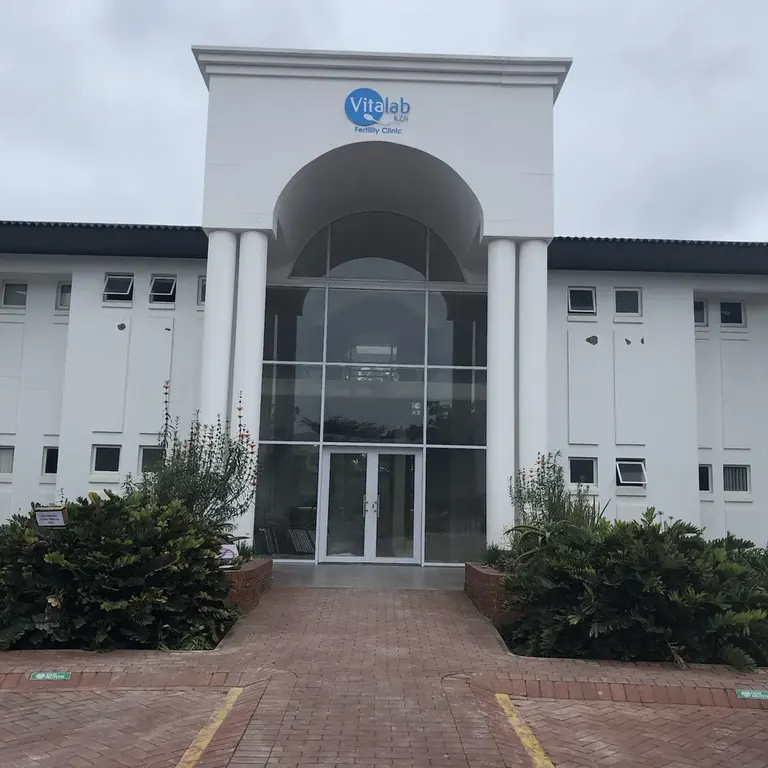
Vitalab Fertility Clinic KwaZulu-Natal

Vitalab is a fertility clinic located in Johannesburg (Sandton) and Umhlanga, KwaZulu‑Natal, specializing in assisted reproductive technologies such as IVF, ICSI, donor‑egg programmes and frozen embryo transfers. The clinic offers a full suite of services including comprehensive infertility diagnostics, in‑house egg banking through its VEDA donor programme, state‑of‑the‑the laboratory, surgical suite, and personalized treatment plans performed entirely on site at both branches. As a proudly SASREG‑accredited facility, Vitalab adheres to the highest national standards and benefits from more than 150 years of combined experience among its registered reproductive specialists, who are members of the South African Medical and Dental Council. The centre highlights impressive success statistics – an overall ICSI fresh‑embryo pregnancy rate of 60.9 %, IVF fresh‑embryo rate of 44.4 %, and a donor‑egg fresh‑embryo rate of 69 % in 2024, contributing to over 20 000 babies born since 1984. Patient care is reinforced by dedicated support channels including a live chat agent, phone and WhatsApp lines, email assistance, and flexible appointment hours, while the clinic’s modern facilities and multidisciplinary team ensure a professional, compassionate journey from initial consultation to parenthood.

South Africa
star 4.6 (88)

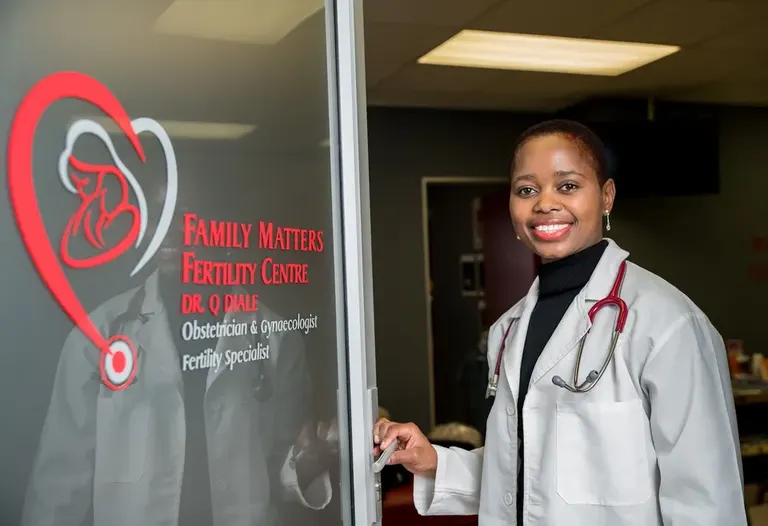
Family Matters Fertility Centre

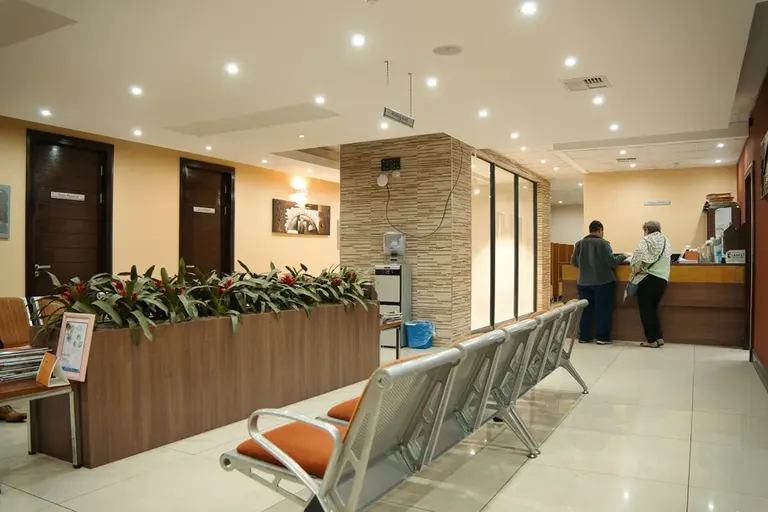
Family Matters Fertility Centre is a reproductive medicine clinic located in South Africa, operating within Netcare Unitas and Lenmed Zamokuhle Private Hospital, specializing in comprehensive fertility care for individuals and couples facing infertility. The centre offers a full spectrum of services including detailed infertility investigations such as hormone profiling, ultrasounds, semen analysis and ovarian reserve testing, as well as assisted reproductive technologies like intra‑uterine insemination (IUI), in‑vitro fertilisation (IVF), intracytoplasmic sperm injection (ICSI), fertility preservation (egg, sperm and embryo freezing), donor programmes and surrogacy, alongside general gynaecology, obstetrics and laparoscopic surgical treatment of fibroids, cysts and endometriosis. Led by Dr Mahloromela Emmanuel Moagi, a seasoned gynaecologist, obstetrician and fertility specialist, the multidisciplinary team includes an experienced embryologist, a dedicated fertility coordinator and supportive administrative staff, all committed to patient‑centred care with warm bedside manners. The clinic distinguishes itself with a modern, comforting environment, state‑of‑the‑art technology, personalized treatment plans, and seamless coordination with chosen fertility clinics, while providing thorough counseling and flexible appointment scheduling to support patients throughout every stage of their journey.

South Africa, Cape Town
star 4.6 (49)

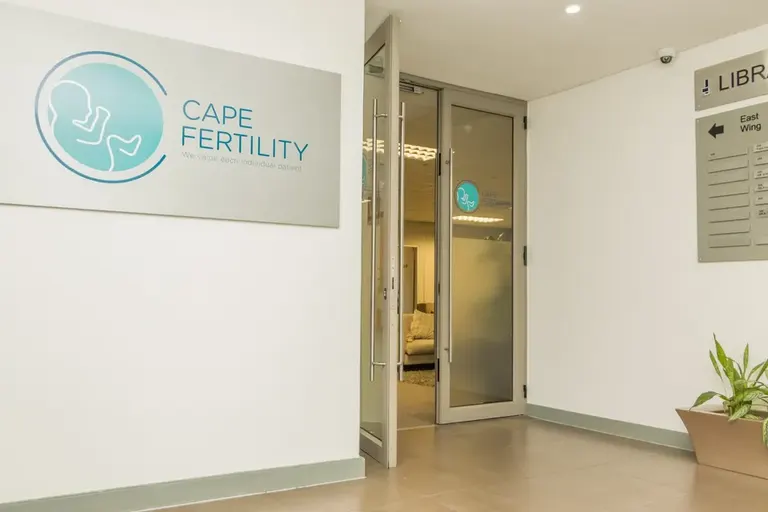
Cape Fertility

Cape Fertility is a leading IVF and reproductive medicine clinic located in Cape Town, South Africa, specializing in individualized, comprehensive fertility care for individuals and couples. The centre offers a full spectrum of services including fertility assessments, IVF, ICSI, embryo‑scope monitoring, pre‑implantation genetic testing, reproductive surgery, egg donation, egg freezing, high‑quality sperm and egg donor programmes (with an international egg‑donation option), and a state‑of‑the‑art cryobank that ships specimens for insemination or ICSI. Unique features include SASREG accreditation, recognition by the University of Cape Town and Central University of Technology as a premier training unit, a cutting‑edge laboratory, dedicated IVF coordinators each holding a four‑year university degree, and a confidential, no‑waiting‑period donor selection process covering diverse ethnic backgrounds. The clinic reports an 80 % pregnancy‑to‑term success rate for patients treated by qualified specialists, and emphasizes a collaborative team approach where five highly qualified reproductive specialists (Dr Sulaiman Heylen, Dr Paul Le Roux, Dr Tamtam Matebese, Dr Lizle Oosthuizen, Dr Joanne Pottow), eight embryologists, eight coordinators and a clinical psychologist jointly develop each treatment plan. Comprehensive patient support includes 100 % confidential handling of information, psychological counselling, coordinated nursing care, and financing options through First Health Finance, ensuring both clinical excellence and compassionate assistance throughout the fertility journey.

IVF from 99999 USD View Profile arrow_forward
South Africa
star 4.6 (49)

Wijnland Fertility Clinic in Cape Town, South Africa

Wijnland Fertility Clinic is a Centre of Excellence in fertility, endometriosis and advanced endoscopic surgery located in Stellenbosch, South Africa, offering a patient‑centred, evidence‑based approach to help individuals and couples achieve parenthood. The clinic specializes in IVF, ICSI, IMSI, AI/IUI, ovulation induction, donor cycles, egg freezing and comprehensive male and female fertility assessments, while also providing fertility preservation, oncology‑related fertility care, a miscarriage clinic, and advanced endoscopic surgery. Unique features include the EmbryoScope™ incubation system and single‑embryo transfer policy since 2013, a robust ova vitrification program, one of the country’s first egg bank, an extensive sperm bank established in 2008, SASREG accreditation, and the first sub‑Saharan psychological study recognised by ESHRE in 2012, all contributing to the clinic’s excellent success rates. A multidisciplinary team of doctors, nurses, embryologists, psychologists and support staff creates a warm, professional environment, and patients benefit from dedicated psychological counselling, support groups, an IVF coordinator for international visitors, and comprehensive financial‑aid guidance, ensuring holistic care throughout the fertility journey.

IVF from 99999 NZD View Profile arrow_forward
South Africa, Johannesburg
star 4.5 (208)

BioART Fertility Centre – Infertility & Fertility Treatment South Africa

BioART Fertility Clinic is a specialist fertility and IVF centre located in South Africa, specializing in comprehensive assisted reproductive technologies for couples facing infertility. Leveraging more than three decades of clinical experience, the clinic offers a full spectrum of services including IVF, ICSI, artificial insemination, laser‑assisted hatching, trans‑myometrial and sub‑endometrial embryo transfers, oocyte cryopreservation, micro‑tubal surgery, Micro‑TESA, stem‑cell and PRP therapy for ovary/endometrium, in‑vitro maturation, as well as male‑focused treatments such as vasectomy reversal, sperm aspiration and detailed semen analysis. Unique to BioART are its state‑of‑the‑ART laboratory, personalized treatment plans tailored to each patient’s individuality, and a strong academic partnership with the University of the Witwatersrand and Durban University of Technology, where doctors serve as honorary lecturers and the centre functions as an accredited embryology training hub. The clinic’s commitment to research is highlighted by four active research projects and a 2019 Young Scientist Award for work on HIV and ovarian reserve, while full SASREG accreditation underscores its quality standards; a multidisciplinary team of physicians, embryologists and support staff provides compassionate care, counseling and ongoing patient support throughout the fertility journey.

South Africa
star 4.5 (132)

Vitalab Fertility Clinic – Sandton

Vitalab Fertility Clinic is a reproductive medicine clinic located in Sandton, Johannesburg and Umhlanga, KwaZulu‑Natal, specializing in assisted reproductive technologies such as IVF, ICSI, donor‑egg programmes and frozen‑thawed embryo transfers; the centre offers a full suite of services including in‑house egg banking (VEDA), comprehensive fertility assessments, surgical suites, a world‑class laboratory, and personalized treatment planning. As a proudly SASREG‑accredited facility, Vitalab adheres to the highest national standards and leverages over 150 years of combined experience among its registered reproductive specialists, having helped more than 20 000 families welcome babies. The clinic reports impressive success rates – an overall ICSI fresh‑embryo pregnancy rate of 60.9 %, conventional IVF fresh‑embryo rate of 44.4 %, fresh donor‑egg cycles achieving 69 % and frozen donor cycles reaching 57 % – reflecting advanced lab techniques and a focus on frozen‑thawed transfers to optimise outcomes. A multidisciplinary team provides a patient‑centred, evidence‑based approach, supported by dedicated counselling, a responsive chat agent, WhatsApp and email contact options, flexible appointment hours and comprehensive after‑care services, ensuring couples receive both clinical excellence and compassionate support throughout their journey.

South Africa, Gqeberha
star 4.3 (24)

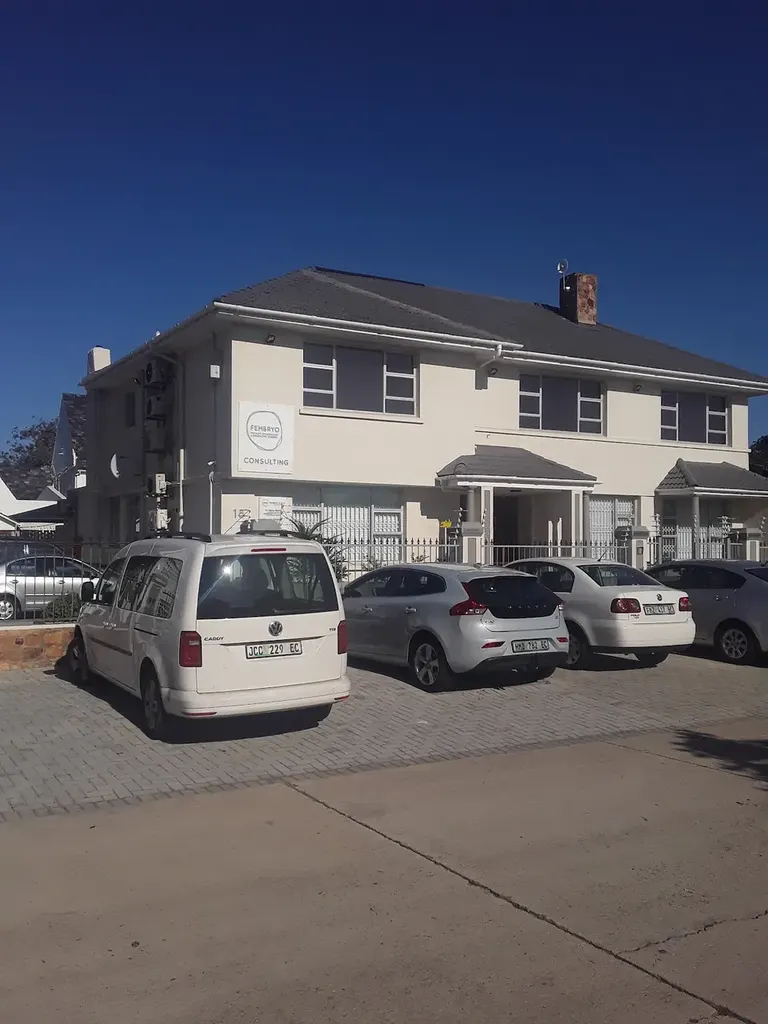
Fembryo Fertility and Gynaecology Clinic

Fembryo Fertility & Gynaecology Clinic is a women‑focused centre of excellence in reproductive medicine, endoscopic surgery and gynaecological health, located in a location not specified in the provided content, and it specializes in comprehensive infertility treatment, hormonal disorders such as PCOS and endometriosis, and broader women’s health services. The clinic offers a full spectrum of assisted reproductive therapies—including artificial insemination, IVF, ICSI and PICSI—alongside minimally invasive endoscopic surgery, onco‑fertility options (sperm and oocyte freezing), andrology services, hormone therapy, genetic testing, contraception, menopause management, adolescent health and a weight‑loss programme. While specific success rates are not disclosed, the clinic emphasizes a research‑based, best‑practice methodology and a compassionate, patient‑centred approach that prioritises psychological wellbeing. The multidisciplinary team is led by clinic director Dr Danie Botha, gynaecologist Dr Debbie Prince and female‑health expert Dr Wendy Sieg, supported by an experienced laboratory, nursing and administrative staff, and includes psychologist Lynnette Dean for infertility counselling, postpartum depression, surrogacy, egg donation and infant loss support, ensuring holistic care throughout the fertility journey.

South Africa, Cape Town
star 4.2 (21)

HART Fertility Clinic, Cape Town

HART is a comprehensive fertility clinic located in the ultra‑modern Hart Fertility Clinic Suite 618, 6th Floor, Cure Day Hospital, 1 Medditerrean Street, Foreshore, Cape Town, South Africa, specializing in personalized, holistic reproductive medicine that blends conventional IVF and assisted‑reproduction techniques with complementary therapies. The centre offers a full spectrum of services including IVF, ICSI, egg and sperm donation, embryo banking, genetic counselling, on‑site surgical theatre, advanced male and female fertility laboratories, acupuncture, homeopathy, dietetics, yoga‑based fertility support and legal fertility advisory, all delivered within serene, patient‑centred spaces. What sets HART apart is its multidisciplinary team of three reproductive medicine specialists—one a pioneer of South African fertility care—supported by an embryologist, IVF coordinators, a genetic counsellor, homeopath, acupuncturist, chiropractor, dietitians, social worker and dedicated fertility‑law attorneys, ensuring a truly whole‑person approach. International patients benefit from affordable world‑class care, airport proximity and dedicated coordination, while local couples receive continuous emotional support through counseling, social‑work services and an active blog addressing mental health and fertility topics. HART’s commitment to integrated care, state‑of‑the‑art facilities and a collaborative professional team makes it a distinctive choice for those seeking successful fertility outcomes.

South Africa
star 4.2 (63)

Medfem Fertility Clinic

Medfem Fertility Clinic is a comprehensive reproductive medicine clinic located in South Africa (Johannesburg area, as indicated by its +27 (11) contact number), specializing in IVF, infertility treatment, and endocrine disorders, and it proudly highlights having helped bring 17 500 babies to happy parents; the clinic offers a full suite of services including in‑person and virtual consultations via Zoom or Skype, personalized IVF cycles, embryo culture with the exclusive RI Witness electronic tracking system—the only one of its kind in Africa that reduces human error and boosts success rates—, reproductive endocrinology, pre‑implantation genetic testing, and dedicated psychological support through its clinical psychologist Mandy Rodrigues; its professional approach is led by a distinguished team of directors—Dr Antonio Rodrigues (Reproductive Medicine Specialist, MBA), Dr Nicholas Clark (Reproductive Medicine Specialist), and Dr Lusanda Shimange‑Masotse (Reproductive, Endocrine and Infertancy Specialist)—supported by highly trained embryologists, nurses, and support staff who emphasize empathy, caring, and a positive fertility journey; patient support extends to 24/7 WhatsApp assistance, online health‑docs appointments, and comprehensive educational resources, making Medfem’s world‑class fertility care accessible and patient‑centered.

IVF from 99999 USD View Profile arrow_forward
South Africa, Cape Town
star 4.1 (61)

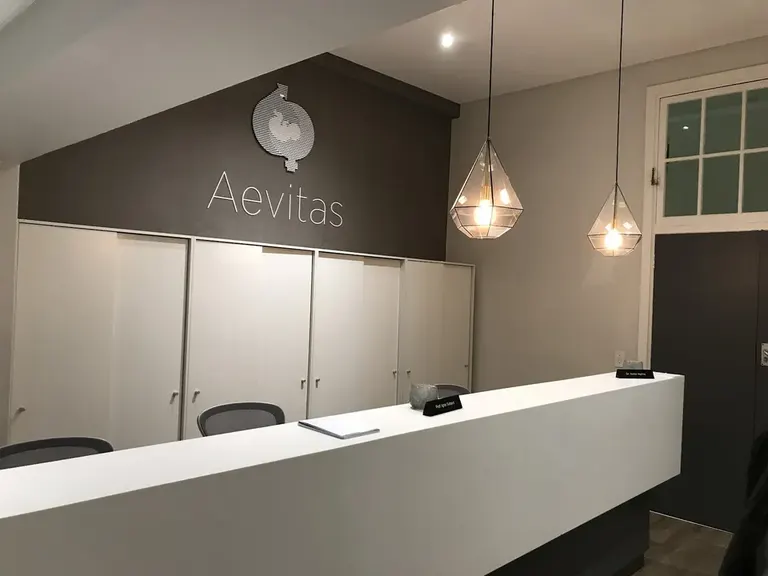
Aevitas Fertility Clinic

I’m ready to craft the clinic description, but I need the markdown content from the clinic’s website to extract the required details. Could you please provide that information?

South Africa, Pretoria
star 4.0 (36)

Pretoria Fertility Centre

PTA Fertility is a reproductive medicine clinic located in the Netcare Pretoria East Hospital in Garsfontein, Pretoria, South Africa, specializing in comprehensive infertility care with a primary focus on in‑vitro fertilisation (IVF) and related assisted reproductive technologies. The centre offers a full spectrum of services including IVF, IUI, embryo, egg and sperm cryopreservation, pre‑implantation genetic diagnosis, reproductive surgery (laparoscopy, hysteroscopy, myomectomy), endometriosis management, egg and sperm donation, and surrogacy, all delivered with state‑of‑the‑art laboratory equipment and SASREG accreditation. Founded in 1999 by Dr Marienus Trouw, the clinic combines over two decades of expertise from Dr Trouw, Dr Stephan Volschenk, a team of highly qualified embryologists, nurses and dedicated fertility coordinators who continuously train at international congresses, ensuring the latest techniques are applied with a human touch. PTA Fertility distinguishes itself through affordable, high‑quality care, a family‑like patient environment, and a welcoming service for international couples, supported by personalized counseling, coordinated appointment management, and round‑the‑clock assistance, having helped thousands of patients achieve successful pregnancies.

Popular Destinations in South Africa

Explore popular cities and regions in South Africa.

Frequently Asked Questions

Everything you need to know about fertility treatment in South Africa.

When was the first IVF baby born in South Africa?

expand_more

The first IVF baby in South Africa was born in 1983. This important achievement was accomplished by Dr. Johan Van Schouwenburg of Medfem Fertility Clinic, working alongside Professor Kruger at Tygerberg Hospital.

It is important to note that while Rolene Strauss, Miss World 2014, was conceived through IVF in Bloemfontein, her birth was not the first successful IVF birth in the country; she was part of a program at the University of the Free State under Prof Paul Wessels.

Globally, the first IVF baby, Louise Joy Brown, was born in England in 1978, and advancements continued with the first pregnancy using embryo cryopreservation also reported in 1983, with the first birth from this method occurring in December of the same year.

Are egg donors anonymous in South Africa?

expand_more

Egg donation in South Africa is generally considered anonymous by law, with regulations designed to protect the privacy of both the donor and the recipient.

While anonymity is the prevailing practice, there is growing legal discussion about the possibility of “open-identity” donation, where donors could consent to having their identities released to donor-conceived individuals when they reach adulthood. Currently, donor-conceived children in South Africa do not have the right to access identifying information about their donor, though they can access medical history upon turning 18.

Discussions are ongoing, including within the South African Law Reform Commission, regarding the rights of donor-conceived individuals to know their genetic origins, and the current legal framework is being evaluated in relation to constitutional rights and the increasing availability of direct-to-consumer genetic testing; however, donor anonymity remains the standard practice.

Can you choose gender with IVF in South Africa?

expand_more

Gender selection for non-medical reasons is not permitted with IVF in South Africa.

Regulations enacted in 2012 under the National Health Act prohibit the use of preimplantation genetic testing (PGT) or other prenatal tests to select a child’s sex for reasons like family balancing or personal preference. The only exception is when gender selection is medically necessary to prevent the birth of a child with a serious sex-linked genetic disorder, such as hemophilia or Duchenne muscular dystrophy.

The South African government’s position on this matter is rooted in ethical concerns, aiming to prevent gender bias and the possibility of creating “designer babies.” While PGT can determine an embryo’s sex, its application is restricted to medically necessary cases.

How does IVF work in South Africa?

expand_more

In South Africa, In Vitro Fertilization (IVF) is a process that typically takes around 28 days and involves multiple visits to a fertility clinic, all while being governed by national regulations and professional guidelines.

The IVF process starts with fertility medications administered a few days after the beginning of a woman’s menstrual period to stimulate egg production, followed by regular monitoring with ultrasound scans and blood tests to track follicle development. Once the eggs are mature, an injection is given to prepare for egg retrieval, which happens approximately two days later, and the retrieved eggs are fertilized in a laboratory using either standard IVF or ICSI. These fertilized eggs then develop into embryos over three to five days in an incubator.

The number of clinic visits varies, but typically includes several monitoring appointments during the stimulation phase, occurring every two to three days before egg retrieval, as well as appointments for the retrieval and embryo transfer procedures. Regulations in South Africa, under the National Health Act (2003), limit embryo transfer to a maximum of three, though the Southern African Society of Reproductive Medicine and Gynaecological Endoscopy (SASREG) often recommends transferring a single embryo.

Is sperm donation legal in South Africa?

expand_more

Sperm donation is legal in South Africa and is governed by the National Health Act of 2003 and its subsequent amendments.

The practice is regulated with specific laws and ethical considerations that fertility clinics and sperm donor agencies must follow. While often believed to be strictly anonymous, the legal status of donor anonymity is evolving, with possibilities ranging from complete anonymity to open donation, depending on the donor’s preference and consent. Donors generally relinquish all parental rights and responsibilities indefinitely.

To qualify as a donor, individuals must undergo a rigorous selection process including medical examinations and screenings for genetic disorders and infections. Generally, donors are expected to be between 19 and 40 years old, healthy, non-smokers, and maintain a healthy lifestyle, with some clinics also requiring a minimum educational qualification.

Is reciprocal IVF (ROPA) allowed in South Africa?

expand_more

Reciprocal IVF, also known as ROPA or partner-assisted reproduction, is legally allowed and supported in South Africa through recent legal developments.

South Africa has progressive laws recognizing the parental rights of same-sex couples, affirmed by a Constitutional Court ruling that declared a previous disparity in parental recognition unconstitutional. This ensures both partners in a same-sex union are automatically recognized as legal parents, even if only one is the biological mother, meaning both the genetic mother and the gestational mother have full parental rights.

While specific requirements for ROPA aren’t detailed, general assisted reproduction requirements apply, including being over 18, providing voluntary written consent, and undergoing assessments for serious health concerns. Couples choose one partner to donate eggs and the other to carry the pregnancy, utilizing a sperm donor for fertilization, and clinics like Medfem Fertility Clinic, Cape Fertility Clinic, and Vitalab Fertility Clinic are experienced in assisting same-sex couples with these treatments.

Is surrogacy legal in South Africa?

expand_more

Surrogacy is legal in South Africa, but only altruistic surrogacy is permitted, meaning a surrogate mother cannot receive payment beyond reasonable expenses.

Commercial surrogacy is prohibited and considered a criminal offense, with potential fines or imprisonment. Altruistic surrogacy involves a woman carrying a child for intended parents without commercial compensation, though reimbursement for expenses like medical bills and lost earnings is allowed. All surrogacy agreements require confirmation by the High Court before fertilization can occur, ensuring the commissioning parents’ infertility is documented, a genetic link is established, and the surrogate provides informed consent.

Upon court confirmation and the child’s birth, parental rights and responsibilities automatically transfer to the commissioning parents, and the surrogate has no legal claim to the child. The Department of Home Affairs will issue a birth certificate listing the intended parents, and at least one commissioning parent must contribute gametes, though this requirement can be waived by the court in certain circumstances.

Is egg donation legal in South Africa?

expand_more

Egg donation is legal and regulated in South Africa under the National Health Act of 2003, with a framework designed to protect all involved parties.

The legal status of egg donation is governed by Chapter 8 of the National Health Act of 2003, which focuses on the control of gametes from living persons, and is supported by guidelines developed by the South African Society for Reproductive Medicine and Gynaecological Endoscopy (SASREG) to ensure ethical practices. South Africa is recognized as a leader in egg donation due to its robust regulatory environment.

Donors are generally required to be healthy, and undergo thorough screening including drug tests, infectious disease tests, physical and fertility assessments, psychological evaluations, and potentially genetic tests and criminal record checks. Typically, donors are between 18 and 35 years of age, though guidelines often recommend a range of 21 to 34, and while egg donation is considered altruistic, donors are compensated for reasonable expenses incurred during the process.

How much does IVF cost in South Africa?

expand_more

The cost of IVF in South Africa varies, but a standard IVF cycle typically ranges from R60,000 to R100,000 (approximately $3,150 – $5,250 USD or €2,900 – €4,850 EUR).

Some clinics may offer complete IVF cycles, including ICSI, for around R45,000, while other estimates place the essential cost between R70,000 and R100,000, or approximately R90,000 which often includes medication, monitoring, egg retrieval, lab procedures, and embryo transfer. If donor eggs are used, the cost generally ranges from R75,000 to R120,000 (approximately $3,999 – $6,398 USD or €3,838 – €6,142 EUR), and could potentially reach $11,000 USD or more with add-ons.

Additional procedures like ICSI, if not included in the base package, can cost around R5,000 (approximately $260 USD or €240 EUR), and Preimplantation Genetic Testing (PGT-A) can add R4,000 per embryo tested or $3,000 to $7,000 USD to the total cost. It’s important to note that medication costs are often separate from the base price and clinics offer various packages with differing inclusions, so a detailed breakdown of costs is essential.

Why choose South Africa for IVF?

expand_more

South Africa is becoming a popular choice for international patients considering IVF treatment due to its advanced medical care, affordable costs, and supportive legal environment.

The country offers world-class fertility treatments at a significantly lower cost – often 50-70% less – than many Western countries; for example, egg donation IVF can range from R75,000 to R120,000 (approximately $3,999 – $6,398 USD). South Africa also has a comprehensive and inclusive legal framework for assisted reproductive technologies, allowing IVF treatment for single women, heterosexual couples, and same-sex couples, with regulated and legal egg, sperm, and embryo donation.

South African fertility clinics boast cutting-edge technology and internationally certified specialists, with accreditation from organizations like SASREG to ensure high medical and ethical standards. Success rates are competitive globally, with egg donation IVF achieving rates of 50-65%, and some clinics reporting IVF and ICSI success rates as high as 45% and 65% with donor eggs respectively.

What is the IVF success rate in South Africa?

expand_more

IVF success rates in South Africa are competitive internationally, with some clinics achieving results comparable to leading global centers.

Success rates vary depending on factors like age and whether own eggs or donor eggs are used. For women under 35 undergoing fresh embryo transfers, rates range from 33% with IVF to around 50% live birth rate per cycle, and up to 62% in some cases. For those aged 35-39, success rates with IVF are around 75%, while women 40 and over experience rates around 26% using their own eggs. Utilizing donor eggs significantly increases these chances, with success rates reaching up to 83% for recipients under 35 and 75% for those over 40.

The use of donor eggs generally leads to higher success rates due to the younger age and better egg quality of donors, with pregnancy rates between 60%–70% for women over 43 using donor eggs, compared to approximately 4% with their own eggs. Some clinics report overall success rates of 45% with a patient’s own eggs, increasing to 65% when using donor eggs from their program.

Is embryo donation legal in South Africa?

expand_more

Embryo donation is legal in South Africa and is regulated by the National Health Act (2003) and the Children’s Act.

While embryo donation is permitted, specific conditions apply, particularly when it involves surrogacy; the law requires that either the egg or sperm used in surrogacy comes from one of the intended parents, preventing the use of a surrogate with both donor egg and sperm if there is no genetic link to the intended parents. However, couples undergoing IVF without a surrogate are able to use third-party embryos from anonymous donors, and embryo donation must be altruistic, meaning donors cannot receive payment, though reasonable expenses can be covered.

Donors must provide written consent after receiving comprehensive information, and have the right to withdraw consent before fertilization, but once fertilization occurs, legal ownership of the embryo transfers to the recipient. Current law generally ensures anonymity between donors and recipients, though discussions are ongoing regarding the potential for donor-conceived individuals to access information about their origins.