star

FindBestClinic

Best IVF and Fertility Clinics in Turkey

Top IVF Clinics in Turkey

Clinics with the highest ratings and verified quality care in this region.

Turkey
star 4.9 (888)

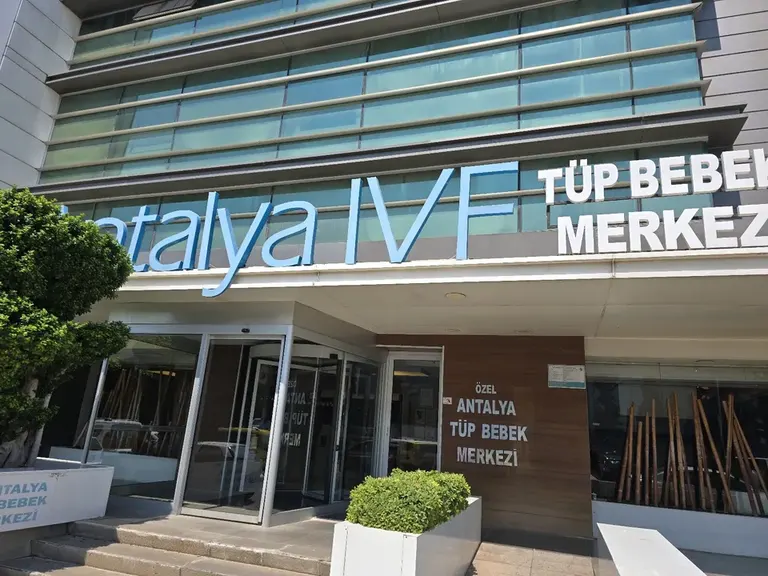
Antalya IVF

The unnamed IVF clinic is a fertility clinic located in Turkey, specializing in assisted reproductive technologies such as in‑vitro fertilization (IVF), pre‑implantation genetic testing (PGT‑M), embryo freezing and thawing, and uterine “rest” protocols that extend the cycle by an additional month to improve implantation; it emphasizes that success is highest for women under 35 with adequate ovarian reserve, reporting an overall live‑birth rate of around 50 % that declines to about 20 % for ages 40‑42 and below 5 % beyond 42 years. Key services include ovarian stimulation with personalized hormone injections (administered between 16:00‑19:00), egg retrieval under light general anesthesia with a brief 2‑3 hour post‑procedure observation, painless embryo transfer (typically 5‑day blastocysts), and comprehensive hormonal support through pregnancy testing and continuation up to ten weeks gestation. The clinic’s professional approach integrates a multidisciplinary team of reproductive endocrinologists, embryologists, and nursing staff who ensure double‑verification of all gamete and embryo handling through written and electronic labeling, while offering patient education on nutrition, lifestyle (no alcohol or smoking), and post‑procedure activity (no bed rest required). Additional patient support includes a dedicated hotline for medication queries, detailed guidance on self‑administration and storage of injectable drugs, and a feedback form for suggestions or complaints, all aimed at creating a safe, transparent, and patient‑centered fertility experience.

Turkey, Ankara
star 4.8 (445)

Bahçeci Ankara Tüp Bebek Merkezi

Bahçeci Fertility Clinic is an IVF and reproductive medicine clinic headquartered in Turkey, with flagship locations in Istanbul’s Fulya district and additional centers in Ankara, İzmir, Bursa, Diyarbakır and international sites across Bosnia‑Herzegovina, Bulgaria, Kosovo and Iraq, specializing in assisted reproductive technologies such as in‑vitro fertilisation, intracytoplasmic sperm injection, IMSI, embryo‑scope biopsy, egg freezing, uterine transplantation and genetic screening. The clinic offers a full spectrum of services including personalized treatment planning, advanced laboratory procedures, artificial‑intelligence‑driven embryo selection, and the Bahçeci MAX e‑security system that digitally safeguards sperm, eggs and embryos. Distinguished by its internationally‑certified ESHRE embryology laboratory—the only one in Turkey with this accreditation for the Istanbul Fulya centre—Bahçeci consistently reports success rates that exceed European benchmarks, especially in complex cases, and has been recognised as one of the world’s top three IVF centres, receiving awards such as “Year’s Best IVF Centre” and a partnership with Oxford University. A multidisciplinary team of 40 physicians and embryologists convenes weekly to review each case, ensuring a collaborative, evidence‑based approach, while patients benefit from free initial consultations, comprehensive counseling, multilingual support, educational blogs, video resources, and active community groups on social media, all aimed at guiding couples from the first inquiry to a successful, healthy pregnancy.

Turkey, Istanbul
star 4.7 (70)

Clinic IVF Tüp Bebek Merkezi

Clinic IVF is a specialized reproductive medicine clinic located in Istanbul (Sefaköy, Torkam – E5 Reidans A Blok, and also a branch in Bakırköy), specializing in in‑vitro fertilization (IVF) and comprehensive assisted‑reproduction solutions; the center offers a full spectrum of services including IVF, ICSI, egg, sperm and embryo cryopreservation, egg donation, micro‑chip embryo biopsy, Next Generation Sequencing (NGS) genetic testing, embryo‑scope assessment, PRP therapy, natural cycles, ovulation induction, lymphocyte (pregnancy) vaccine, ERA testing and infertility surgeries such as myomectomy, salpinge‑ectomy, hysteroscopic polypectomy, septum resection, laparoscopy and hysteroscopy. Clinic IVF highlights its high pregnancy success rates achieved through a multidisciplinary team of experienced reproductive endocrinologists, embryologists, genetic counselors and surgeons who follow international quality standards and employ state‑of‑the‑art laboratory technologies. Unique features include rigorous donor screening for egg donation, strict confidentiality and ethical compliance, personalized treatment protocols tailored to each couple’s medical profile, and cost‑effective options without compromising care. Patient support is reinforced by 24/7 phone and WhatsApp assistance, comprehensive counseling, transparent communication, and a commitment to patient‑centered experience that ensures comfort, safety and optimal outcomes throughout the fertility journey.

Turkey, İzmir
star 4.6 (92)

Op.Dr.Şerife DİKAYAK Üreme endokrinolojisi ve İnfertilite kliniği-kadın hastalıkları ve doğu

The clinic led by Dr. Şerife and her dedicated team comes highly recommended for its nurturing approach to fertility treatments. Patients appreciate the personal touch and support provided throughout their journeys, with many expressing heartfelt gratitude for successful pregnancies after years of longing. The clinic is recognized for its empathetic and thorough care, fostering a sense of hope and trust in their patients. However, some reviews indicate concerns regarding administrative issues and high costs, suggesting potential areas for improvement while still considering the overall positive reputation of the clinic in helping countless families achieve their dreams.

Turkey, Istanbul
star 4.6 (864)

Bahçeci Fulya Tüp Bebek Merkezi

Bahçeci is an IVF and reproductive medicine clinic located in Istanbul’s Fulya district, Turkey, specializing in comprehensive fertility solutions such as in‑vitro fertilization, ICSI, IMSI, embryo‑scope monitoring, egg freezing, genetic testing and uterine transplantation, with a focus on high‑success outcomes for complex cases; the center offers a full suite of services including AI‑powered smart sperm selection, personalized treatment plans, transparent pricing, and a secure “Bahçeci MAX” e‑security system for sperm, egg and embryo protection, while its internationally certified embryology laboratory holds the exclusive ESHRE certificate in Turkey, reflecting laboratory standards that exceed European benchmarks and contributing to success rates reported above those standards; Bahçeci’s distinctive strengths include collaborations with Oxford University, membership in the global FutureLife Group, recognition as one of the world’s top three IVF centers by Newsweek, and awards such as “IVF Centre of the Year,” all supported by a multidisciplinary team of 40 doctors who convene weekly to review each case, an experienced embryology team, multilingual patient coordinators, free initial consultations, 24/7 WhatsApp and messenger support, educational blogs, videos, social‑media communities, and dedicated patient‑care groups that together create a professional, patient‑centered environment for couples from over 105 countries seeking to realize their dream of parenthood.

Turkey, Istanbul
star 4.5 (98)

IVF Turkey

IVF Turkey is a fertility and medical‑tourism agency based in Turkey, specializing in comprehensive IVF and infertility treatments for international patients and acting as a bridge to the country’s leading fertility clinics. The service offers a full spectrum of reproductive services including ovarian stimulation, egg retrieval, sperm collection, advanced fertilization techniques, embryo culture, embryo and gamete freezing, assisted hatching, pre‑implantation genetic diagnosis, endometrial preparation (ERA test, endometrial scratch), ovarian PRP, and a range of gynecologic surgeries such as hysteroscopy, laparoscopy, tubal reversal and ovarian drilling. Unique features include a multilingual team with over 30 years of experience, coordinated airport pickup, translation, travel and accommodation arrangements, and a dedicated IVF Assistant for ongoing support; the agency also adheres to the Patient Pledge of Fertility Network UK, ensuring patient‑centered care and high ethical standards. While specific success rates are not quantified, the platform emphasizes “high success rates” and partners with renowned specialists such as Prof. Dr. Teksen Camlibel and Prof. Dr. Meriç. The professional approach combines evidence‑based medicine, state‑of‑the‑art laboratory techniques, and personalized treatment protocols, while patient support services encompass free consultations, continuous online doctor communication, and comprehensive logistical assistance throughout the treatment journey.

Turkey
star 4.4 (124)

Ferte-Jin Women’s Health and IVF Center

Ferti‑Jin is a fertility and IVF clinic located in Istanbul’s upscale Etiler district, specializing in assisted reproductive technologies that help couples achieve parenthood; with over 30 years of experience, the center has facilitated more than 80 000 healthy births and served 130 000 satisfied patients, reflecting a consistently high success rate. The clinic offers a comprehensive suite of services including IVF/ICSI, male and female infertility treatment, gynecology, pregnancy and delivery care, as well as full‑range laboratory diagnostics in biochemistry, microbiology and endocrinology within its on‑site operating theatre, IVF unit and andrology lab. Distinguished by pioneering achievements—such as the world’s first PGD‑based elimination of Netherton syndrome, Turkey’s inaugural use of laser‑assisted hatching, blastocyst culture, immunization protocols for recurrent miscarriage, and AI‑driven embryo and sperm selection—Ferti‑Jin delivers personalized, evidence‑based protocols. Led by Op. Dr. Seval Taşdemir, whose 30‑year expertise anchors a multidisciplinary team of seasoned physicians and embryologists, the clinic emphasizes a patient‑centered approach with multilingual counseling, dedicated support staff, educational blogs, video resources, and a 24‑hour contact line to guide patients through every step of their fertility journey.

IVF from 99999 EUR View Profile arrow_forward
Turkey, Istanbul
star 4.1 (175)

Istanbul IVF and Women’s Health Centers

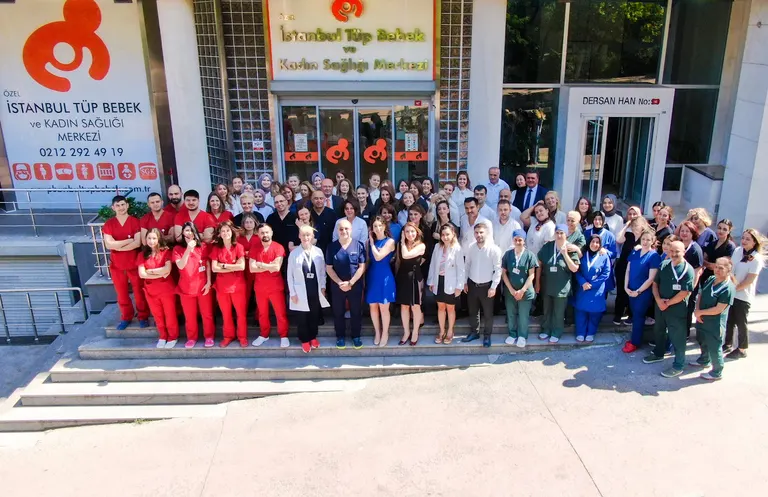
İstanbul Tüp Bebek ve Kadın Sağlığı Merkezi is an IVF and reproductive health clinic located in Istanbul, Turkey, specializing in personalized assisted‑reproduction treatments and comprehensive women’s health services; under the leadership of Op. Dr. Aret Kamar, the multidisciplinary team includes obstetrics‑gynecology and IVF specialists (Op. Dr. Suzan Gençsoy, Op. Dr. Emre Karatekelioğlu, Op. Dr. Hande Akbaş, Op. Dr. Ozan Özolcay), a urology expert (Op. Dr. Osman Ceylan), a dietitian (Gülhan Koca), an IVF laboratory director (Sevil Ünal), and anesthesia professionals (Uzm. Dr. Burhanettin Irlat, Emre Yücel), ensuring a holistic, evidence‑based approach. Key services comprise individualized IVF cycles, electronic witness system for embryo, sperm and egg tracking, SGK‑contracted IVF financing, health‑tourism packages, IVF roadmap counseling, pre‑implantation genetic diagnosis, azoospermia treatment, embryo and oocyte cryopreservation, as well as advanced adjuncts such as sperm‑magnet technology, PRP and stem‑cell applications. The center distinguishes itself as Turkey’s first facility to implement the electronic witness system, guaranteeing absolute sample safety, and holds ISO 9001‑2008 certification reflecting adherence to international quality standards. Patient support is reinforced through dedicated nutritional guidance, continuous education via blogs and videos, multilingual social‑media outreach, and personalized care coordination throughout the treatment journey.

IVF from 99999 EUR View Profile arrow_forward

Popular Destinations in Turkey

Explore popular cities and regions in Turkey.

Frequently Asked Questions

Everything you need to know about fertility treatment in Turkey.

Are egg donors anonymous in Turkey?

expand_more

Egg donation is prohibited by law in Turkey, so the question of donor anonymity does not arise.

Turkish law strictly prohibits egg, sperm, and embryo donation for both domestic and international patients, prioritizing genetic lineage within marriage and allowing IVF only with a couple’s own gametes. Because donor programs are not permitted, there are no legal provisions concerning donor identity or access to information for donor-conceived children.

Clinics offering or advertising donor programs in Turkey face administrative sanctions, potentially including closure, and individuals seeking egg donation are typically advised to seek treatment in countries where it is legally permitted, such as Cyprus or Greece.

When was the first IVF baby born in Turkey?

expand_more

The first IVF baby in Turkey was born on April 18, 1989.

Prior to this milestone, research into In Vitro Fertilization (IVF) began in Turkey in 1985 with trials on mice, resulting in the fertilization of over 4,000 mouse eggs. The first IVF center in the country opened in June 1988 at Ege University, though doctors had to import equipment like transvaginal ultrasound machines as they were not commonly available in Turkey at the time.

Turkey later became a significant contributor to the European registry (EIM) for IVF data, providing approximately 8% of all European ART cycles between 2004 and 2008, establishing itself as a prominent nation in IVF procedures.

Is sperm donation legal in Turkey?

expand_more

Sperm donation is currently illegal in Turkey, as are egg and embryo donation.

Turkish law prohibits all forms of gamete donation due to ethical and social considerations, and clinics are only licensed to perform IVF using the genetic material of a married couple. As a result, there are no legal frameworks governing sperm donation programs, donor requirements, or compensation within the country.

Individuals who require sperm donation services must seek treatment in neighboring countries where these procedures are legally permitted and regulated.

Is surrogacy legal in Turkey?

expand_more

Surrogacy, in both altruistic and commercial forms, is prohibited in Turkey and has no legal standing within the country’s framework.

The legal system does not recognize surrogacy agreements, deeming them void and unenforceable, and this prohibition is outlined in the “Regulation on Assisted Reproductive Treatment Techniques and Assisted Reproductive Treatment Centres” which forbids third-party assistance in reproductive treatments. According to Turkish law, the woman who gives birth is legally recognized as the mother, regardless of genetic ties, meaning the intended mother does not automatically have legal rights to the child.

While there are no specific criminal penalties explicitly defined for those involved in surrogacy, attempts to arrange it domestically can lead to administrative sanctions, and there is potential for the application of articles concerning the alteration of lineage, though this is considered an indirect measure by some legal analyses. Clinics involved in prohibited surrogacy practices also face potential repercussions.

Why choose Turkey for IVF?

expand_more

Turkey is increasingly popular for IVF treatment because it combines affordable costs with high-quality medical care and the use of advanced technologies.

A significant benefit of choosing Turkey is the cost, with a standard IVF cycle ranging from $2,500 to $5,000 USD, which is considerably less than in Western Europe or the United States – often 40-60% lower. Clinics offer internationally accredited services with highly qualified specialists, many trained in Europe or the US, and competitive success rates, ranging from 60-70% for women under 35, though these rates vary with age.

Turkish clinics utilize cutting-edge technology such as time-lapse embryo monitoring, blastocyst culture, ICSI, and PGT to improve success rates and embryo health, and many publish annual audited success rate reports.

Can single women do IVF in Turkey?

expand_more

No, single women are not permitted to undergo IVF procedures in Turkey, as treatment is legally restricted to married heterosexual couples.

Turkish law stipulates that IVF treatment must be performed using a woman’s own eggs and sperm from her husband; therefore, access to donor sperm or egg donation is unavailable, and single women do not qualify for treatment. Public funding for IVF is also not available to single individuals for this reason.

Is embryo donation legal in Turkey?

expand_more

Embryo donation is strictly prohibited in Turkey, along with all other forms of third-party reproduction such as egg and sperm donation and surrogacy.

Turkish law requires that fertility treatments utilize the genetic material of a married couple, permitting only homologous fertilization. Heterologous fertilization, which involves donor gametes or embryos, is not legally allowed. Clinics offering or promoting embryo donation services face significant penalties, potentially including closure and professional bans for staff.

Consequently, individuals in Turkey who desire embryo donation must seek treatment in countries where the procedure is legally recognized and performed.

Can you choose gender with IVF in Turkey?

expand_more

Gender selection for non-medical reasons is not permitted with IVF in Turkey, as it is strictly prohibited by law.

However, legally, it is allowed when necessary to prevent the transmission of serious hereditary diseases, utilizing Preimplantation Genetic Testing (PGT) to identify and select healthy embryos of the desired sex. Clinics are legally prohibited from disclosing the sex chromosomes in PGT-A results unless there is a medical indication, and those seeking gender selection for non-medical reasons may consider options in neighboring countries like the Republic of Cyprus.

PGT is a highly accurate method for determining embryo sex, but its use for elective gender selection is not allowed within Turkey.

Is reciprocal IVF (ROPA) allowed in Turkey?

expand_more

Reciprocal IVF (ROPA) is not permitted in Turkey for lesbian couples, as Turkish law restricts IVF treatment to married heterosexual couples using their own eggs and sperm.

The legal framework in Turkey strictly prohibits IVF for single women and lesbian couples, and also forbids egg, sperm, and embryo donation, as well as surrogacy, making ROPA unavailable. Consequently, there are no legal provisions for recognizing both partners as parents in a ROPA arrangement.

While Turkey has many fertility clinics, all are legally bound by these restrictions and cannot offer reciprocal IVF to lesbian couples.

What is the IVF success rate in Turkey?

expand_more

IVF success rates in Turkey are comparable to, and sometimes exceed, those found in Western countries, with overall live birth rates ranging from 30-40% per fresh transfer.

National data indicates approximately 40% success with frozen transfers and up to 51% when preimplantation genetic testing (PGT) is utilized. Success rates are significantly influenced by age, ranging from 60-70% for women under 35, 40-50% for those aged 35-40, and 20-40% for women over 40. Some clinics report overall average IVF success rates of 40-50%.

For those utilizing donor eggs, success rates typically range from 50% to 70%, and may be recommended for women over 42. Clinics report varying success rates depending on specific age ranges and ovarian reserve, with rates as low as 6-11% for women aged 44-45.

How much does IVF cost in Turkey?

expand_more

The cost of IVF treatment in Turkey generally ranges from $2,500 to $6,300 USD, depending on the specifics of the cycle and any included services.

A basic IVF cycle typically costs between $3,000 and $3,800 USD before medication, while all-inclusive packages covering medication, accommodation, and local transfers can range from $4,000 to approximately $6,300 USD. Average IVF treatment prices are estimated between $3,200 and $3,500 USD, and in Istanbul in 2025, standard IVF treatment ranged from €1,285 to €2,000. Medication costs are usually separate and can add $800 to $1,200 USD per cycle, or between €285 to €715, though some packages include these costs.

Additional procedures like ICSI can add $145 to $285 USD, with an estimated cost of $3,000 to $5,500 USD for a complete ICSI cycle in 2026. Preimplantation Genetic Testing (PGT) can also increase the overall cost, ranging from €430 to €860 in Istanbul in 2025, and may or may not be included in base package rates.

How does IVF work in Turkey?

expand_more

In Turkey, IVF treatment typically starts with ovarian stimulation using hormonal injections early in the menstrual cycle to develop multiple eggs, and is primarily available to married heterosexual couples using their own eggs and sperm.

The process involves close monitoring with ultrasounds and blood tests over 8-14 days, followed by egg retrieval under anesthesia after a trigger injection. Retrieved eggs are fertilized with sperm in a laboratory, and resulting embryos are cultured for 3-5 days before transfer. A typical IVF cycle requires approximately 10-14 days of visits, with international patients generally staying in Turkey for 2-3 weeks to complete the stimulation, egg retrieval, and embryo transfer stages.

It’s important to note that Turkish regulations restrict IVF to married heterosexual couples using their own genetic material, prohibiting donor eggs, sperm, surrogacy, and sex selection for non-medical reasons. While there isn’t a strict age limit, access for women over 45-46 is limited due to the prohibition of egg donation.

Can lesbians do IVF in Turkey?

expand_more

Unfortunately, lesbian couples cannot undergo IVF in Turkey due to current legal restrictions.

Turkish law specifically prohibits IVF treatment for single women and lesbian couples, only permitting treatment for married heterosexual couples who use their own eggs and sperm. The use of donor sperm, eggs, or embryos is also strictly prohibited within Turkey, meaning lesbian couples cannot access these options for IVF procedures domestically.

Because IVF is not legally accessible to lesbian couples in Turkey, there are currently no established legal pathways for both partners to gain parental recognition through this method, and clinics will often refer patients needing donor gametes to countries like Cyprus.

What is the age limit for IVF in Turkey?

expand_more

While Turkey does not have a formal legal maximum age for IVF treatment, the effective age limit is generally around 45 or 46 years old due to the prohibition of donor eggs and the decline in egg quality with age.

The official maximum age limit for using a woman’s own eggs is typically 45, though some clinics may not treat women over 46, as success rates decline significantly after age 40 and fall below 5% by age 45. Because donor eggs are not permitted in Turkey, a woman’s ability to produce viable eggs determines whether she can undergo IVF treatment.

Most clinics assess a patient’s ovarian reserve and overall health to determine suitability for treatment, and while there is no strict legal limit, policies often reflect medical data regarding success rates and maternal health risks, leading to a practical upper age limit for treatment.

Can gay couples do IVF in Turkey?

expand_more

Male same-sex couples cannot pursue IVF in Turkey due to the country’s strict regulations prohibiting third-party reproduction.

These regulations include limitations on surrogacy, egg donation, and sperm donation, and are rooted in Turkey’s bioethics code which emphasizes genetic lineage within marriage. Clinics are only permitted to perform IVF using the gametes of married couples. Consequently, same-sex marriage and partnerships are not legally recognized, and adoption by same-sex couples is also not legally permitted.

Many Turkish citizens who wish to pursue parenthood as a same-sex couple travel to countries where assisted reproductive technologies and surrogacy are legal, such as Northern Cyprus, Greece, or Eastern European countries.

Is egg donation legal in Turkey?

expand_more

Egg donation is currently illegal in Turkey. Turkish law prohibits egg, sperm, and embryo donation, as well as surrogacy procedures.

Assisted reproductive technology (ART) is permitted in Turkey, but only for married heterosexual couples who utilize their own eggs and sperm; clinics are licensed under these conditions. Consequently, Turkey does not have donor programs, age limits for donors, compensation rules, or any specific restrictions regarding donors.

Individuals seeking egg donation often consider traveling to countries where it is legal, such as Cyprus or Greece, where donors are typically between 21 and 35 years old and may receive compensation, with treatment costs ranging from approximately $3,000 to $5,000.