Best IVF and Fertility Clinics in Thailand
Top IVF Clinics in Thailand
Clinics with the highest ratings and verified quality care in this region.
Bangkok Central Clinic IVF
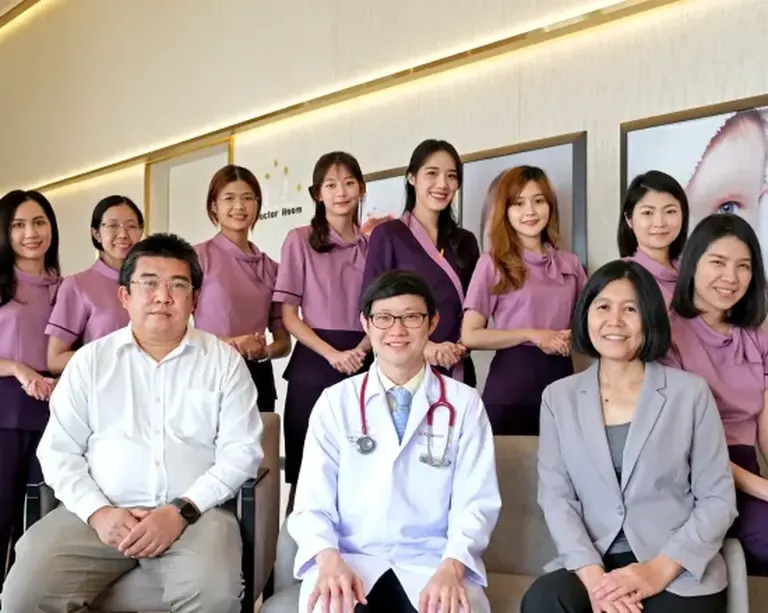
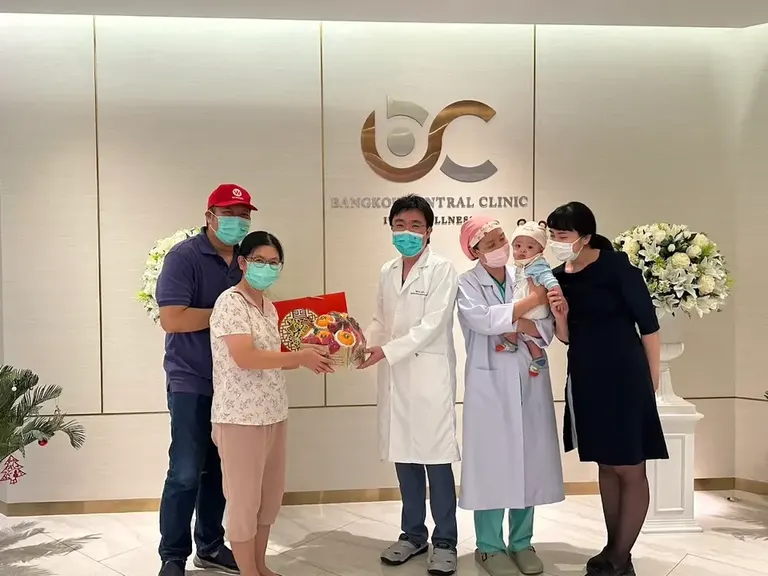
Bangkok Central Clinic is a leading fertility clinic located at No. 87/3, 1st Floor Conrad Hotel, All Season Place, Witthayu Rd., Lumpini, Patumwan, Bangkok 10330, Thailand, specializing in comprehensive assisted reproductive treatments for individuals and couples seeking parenthood. The center offers IVF, IUI, ICSI, egg‑freezing and fertility‑preservation services, supported by advanced laboratory technology, optional PGT‑A genetic testing, and a streamlined four‑week IVF cycle that can begin immediately with no waiting period. Its boutique‑style concept promotes direct doctor‑patient interaction, while a multidisciplinary team of experienced fertility specialists, embryologists, nurses and multilingual support staff delivers personalized, evidence‑based care that consistently achieves success rates comparable to top global standards. Transparent, all‑inclusive pricing, flexible payment plans and 24‑hour online consultation further differentiate the clinic, as does its inclusive environment for international and LGBTQ+ patients. Comprehensive patient support includes free initial consultations, coordinated travel and accommodation assistance, continuous post‑procedure monitoring, and a dedicated follow‑up team that remains available throughout the treatment journey, ensuring comfort, clarity and confidence from arrival to departure.
คลินิกรักษาผู้มีบุตรยาก Smile IVF Clinic (Bangkok) Thailand
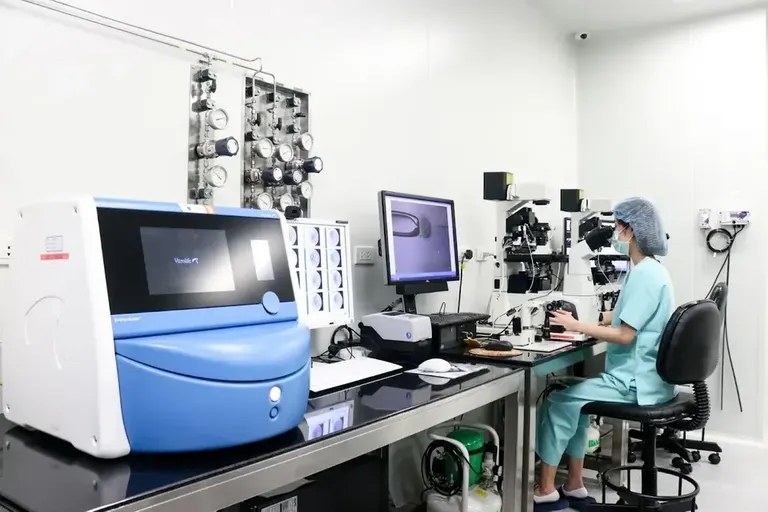
Smile IVF Clinic is a fertility clinic located in Bangkok, Thailand, specializing in comprehensive infertility treatment for couples facing difficulty conceiving, and it offers a full spectrum of assisted reproductive services including IUI, IVF, ICSI, embryo freezing, egg freezing, PESA/TESE sperm retrieval, AMH blood testing, and advanced time‑lapse embryo culture with the EmbryoScope Plus; the clinic boasts high success rates attributed to its ISO 9001:2015 quality management, RTAC accreditation from the Australian and New Zealand Reproductive Technology Accreditation Committee, and ESHRE‑certified senior embryologists, while Dr. Kittiwit Rattanawatsilp and a multidisciplinary team of reproductive specialists provide personalized diagnostics, tailored stimulation protocols, and meticulous embryo transfer planning; patients benefit from a holistic support system that includes a dedicated Personal Assistant, multilingual staff, detailed counseling, pre‑conception health check‑up packages, and post‑treatment follow‑up, all delivered in a modern facility at Ari Hills, Phahonyothin 10, Sam Seni, Phaya Thai, with the clinic’s slogan emphasizing that “your smile and success are our greatest joy.”
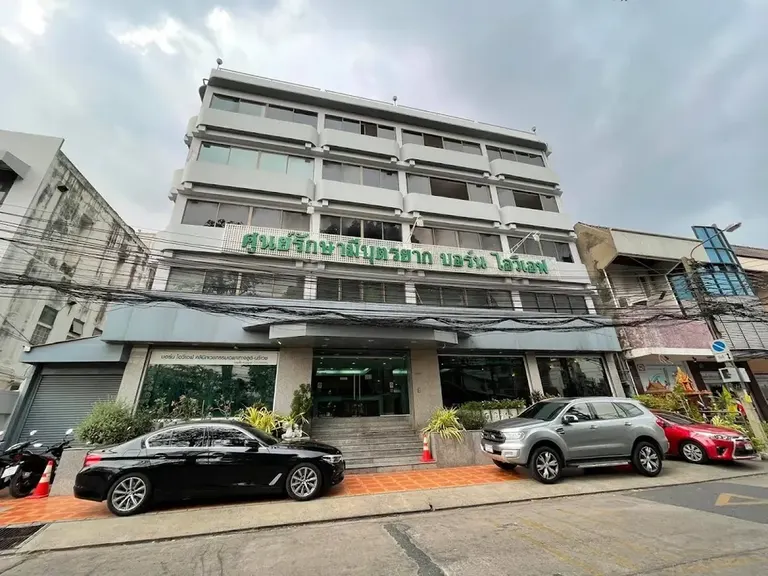
Takara IVF Bangkok คลินิกเฉพาะทางรักษาผู้มีบุตรยาก
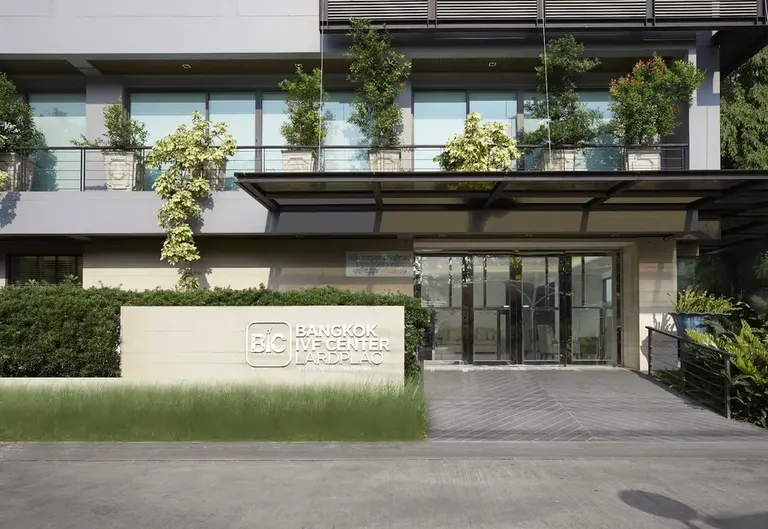
BIC – Bangkok IVF Center
Bangkok IVF Clinic (BIC) is a fertility‑specialized clinic located in Bangkok, Thailand (659 Pradit Manutham Road, Wang Thonglang, 10310), specializing in comprehensive infertility diagnosis and assisted reproductive technologies; under the leadership of Dr Viwat Chinpilas, a medical director with more than 30 years of experience, BIC offers a full spectrum of services including IVF, ICSI, IUI, ovarian stimulation, blastocyst‑stage (day 5) embryo transfer, single‑embryo transfer, pre‑implantation genetic testing (PGT‑A, PGT‑M) with next‑generation sequencing, assisted hatching, PESA/TESE, and cryopreservation of eggs, sperm and embryos. The clinic’s unique features include an internationally‑standard IVF laboratory staffed by full‑time embryologists, personalized treatment plans based on extensive blood, hormone, ultrasound and semen analyses, and a progressive shift toward pain‑free self‑administered stimulation and genetically screened single embryos to maximize safety and success; although exact figures are not disclosed, the centre reports a high pregnancy success rate reflected in thousands of satisfied patients and frequent referrals from friends and family. A multidisciplinary team of reproductive specialists, nurses and counselors provides compassionate care, continuous patient education, multilingual support via phone and Line@, and dedicated counseling throughout every step of the fertility journey.
First Fertility PGS Center
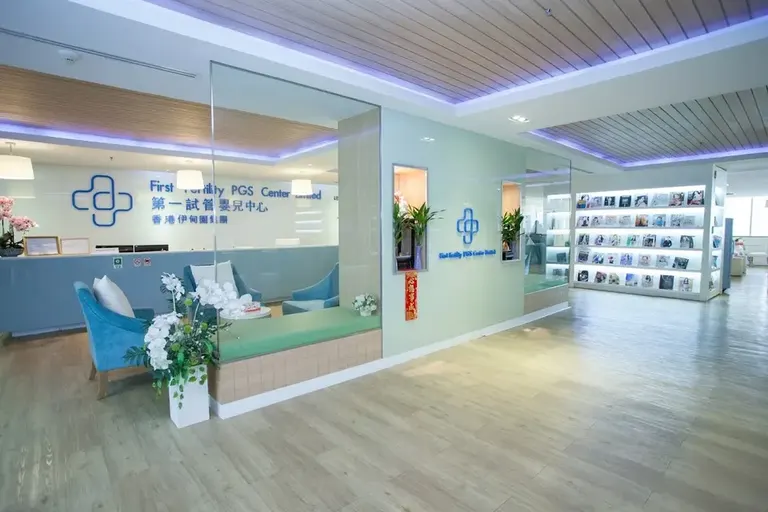
First Fertility is a fertility clinic located in Bangkok, Thailand, specializing in advanced in‑vitro fertilisation (IVF) and comprehensive reproductive medicine. The centre offers full‑service IVF including embryo screening, genetic testing, male and female gamete handling, and state‑of‑the‑art laboratory facilities staffed by certified embryologists and two lab directors, while also providing related services such as fertility assessments, hormone therapies, and personalised treatment plans. Unique features include a dedicated high‑tech IVF suite that focuses solely on IVF, multilingual staff fluent in English and Thai, on‑site personal tour guides, and a stress‑free travel package that manages every step from the patient’s arrival to their return home. The clinic highlights a claim of the highest success rates in Asia, supported by a team of IVF specialists with over ten years of individual experience and a combined 50 years of expertise, led by Managing Director Mr Alfred Siu and Medical Directors Dr Patsama Vichinsartvichaï, Dr Wiphawée Luangtangvarodoom, and IVF specialist Dr Seri Theerapong. A patient‑centred approach emphasises transparent communication, continuous research into embryo genetics, and round‑the‑clock nursing and support services to ensure comfort, education and optimal outcomes for couples seeking a healthy baby.
SAFE Fertility Center – เซฟ เฟอร์ทิลิตี้ เซ็นเตอร์
Safe Fertility Group enjoys a strong reputation for delivering IVF and related fertility services in a clean, modern environment. The clinic consistently receives commendation for its warm, professional staff, especially the coordinator Ms. Linh (Libra) who provides responsive, personalized guidance throughout treatment cycles. Leading physicians such as Dr. Wiwat, Dr. Nattharut, Dr. Kamolrat, and Dr. Tosapon are noted for their expertise, thorough explanations, and compassionate bedside manner, contributing to successful outcomes including first pregnancies and twins. Facilities are described as spotless, well‑equipped, and conveniently located, fostering confidence in the procedural process. While overall satisfaction is high, a few patients mention minor administrative hiccups, occasional billing surprises, and isolated nurse errors that required clarification. These issues are generally resolved promptly and do not detract from the clinic’s overall quality. The balance of expert medical care, attentive coordination, and a supportive atmosphere leads to a strong recommendation for prospective patients seeking reliable fertility treatment.
Siam Fertility Clinic
Siam Fertility Clinic is a specialized assisted reproductive technology (ART) clinic located in Thailand, specializing in comprehensive infertility treatment and the prevention of genetic disorders. The clinic offers a full spectrum of services including IUI, IVF, ICSI, pre‑implantation genetic testing for aneuploidy and monogenic disorders (PGT‑A/PGT‑M), embryo freezing, ERA testing and advanced laboratory procedures, all supported by a multilingual personal assistant team that provides compassionate, family‑like care through phone, email, online applications and in‑person consultations in English and Mandarin. Accredited by the Reproductive Technology Accreditation Committee (RTAC) and ISO 9001:2015, Siam Fertility’s laboratory is staffed by embryologists certified by the European Society of Human Reproduction and Embryology (ESHRE) and utilizes cutting‑edge technology to enhance success chances, reporting average IUI success rates of 10‑15% per cycle and IVF success rates of 40‑50% per cycle. The professional team—comprising doctors, nurses, medical technicians and scientists with over ten years of infertility experience—focuses on continuous team development and evidence‑based practice, while patient support services include personalized counseling, dedicated case managers and comprehensive follow‑up to ensure a supportive, high‑quality fertility journey.
Inspire IVF
Inspire IVF is a comprehensive fertility clinic located in Bangkok, Thailand, specializing in assisted reproductive technologies such as IVF, ICSI, IUI, pre‑implantation genetic testing, embryo transfer and fertility preservation, while also offering preventive and regenerative medicine services; the clinic provides a full suite of health check‑ups, genetic counseling, and personalized treatment plans for infertility, supported by a luxurious, state‑of‑the‑art facility equipped with modern laboratories and internationally certified equipment. Inspire IVF distinguishes itself by being the first Asian fertility center to earn both AACI and ISO 9001 certifications, the second worldwide to receive Global Healthcare Accreditation for a COVID‑19 medical‑travel program, and the first in Thailand and Southeast Asia to achieve TEMOS “Excellent in International Reproductive Care” and Diplomatic Council accreditation, underscoring its commitment to the highest international quality and patient‑safety standards. Its multidisciplinary team of internationally trained physicians, embryologists, geneticists and multilingual nurses delivers a family‑like, patient‑centered approach, and the clinic reports consistently high success rates that attract couples worldwide. Additional patient support includes multilingual brochures, dedicated counseling, sustainable care initiatives, transparent governance, and comprehensive after‑care services designed to guide families smoothly from the first consultation through successful pregnancy.
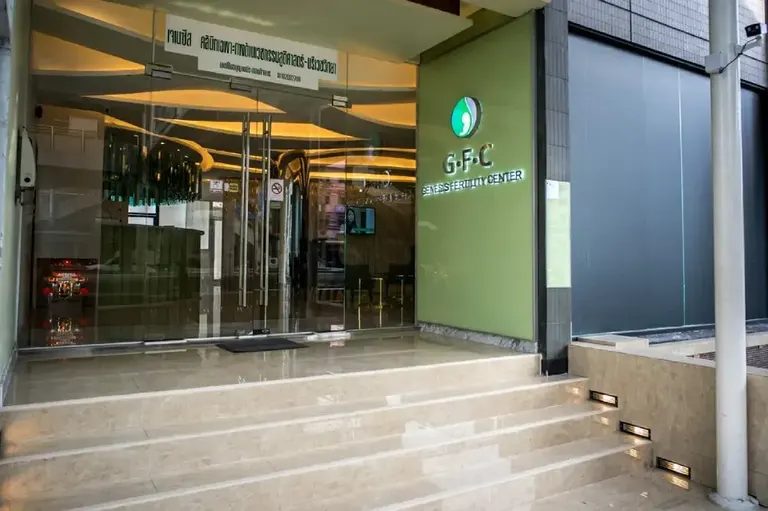
GENESIS FERTILITY CENTER CO., LTD. (G.F.C.)
GFC CLINIC (Genesis Fertility Clinic) is a specialized fertility clinic located in Bangkok with additional branches on Rama 9, Rama 3 and in Ubon Ratchathani, Thailand, focusing on comprehensive infertility treatment through ICSI (IVF) and IUI; under the leadership of Prof. Dr. Pitak Lae‑Krik‑Kiat, a board‑certified reproductive endocrinologist with over 25 years of experience, the clinic offers a full spectrum of services including detailed diagnostic counseling, IUI, ICSI/IVF, pre‑implantation genetic testing (PGT‑A by NGS), frozen‑embryo transfer (FET), egg freezing, sperm retrieval and personalized treatment journeys, all delivered by a multidisciplinary team of reproductive specialists, embryologists and dedicated nurses who emphasize transparent protocols, individualized cost estimates and thorough result reporting; GFC reports a clinical pregnancy success rate of 60‑65 % for IVF/IUI cycles and up to 70‑75 % when PGT‑A‑qualified embryos are transferred, treating more than 2,000 patients annually; patient support extends to online consultations, a 24‑hour call center, multilingual appointment scheduling, educational resources and post‑procedure follow‑up, making the clinic distinctive for its blend of high‑tech expertise, compassionate care and a proven track record of turning families’ dreams into reality.
Popular Destinations in Thailand
Explore popular cities and regions in Thailand.

Frequently Asked Questions
Everything you need to know about fertility treatment in Thailand.
Is sperm donation legal in Thailand?
expand_more
Sperm donation is legal in Thailand, but it is against the law to donate sperm for financial gain.
While the practice is permitted, commercial sperm donation is prohibited, meaning donors cannot profit from their contributions. The Protection for Children Born Through Assisted Reproductive Technologies Act (ART Act) governs these procedures, and under this act, donors are not legally allowed to receive compensation, though reimbursement for associated expenses is permitted. It’s important to note that while some information suggests strict anonymity, the ART Act often leads to most donors being considered “known donors,” so clarifying policies with specific clinics is recommended.
To be eligible, sperm donors in Thailand generally need to be between 20 and 45 years old, though some sources state the range is 18 to 40. They must also undergo thorough health screenings for conditions like sexually transmitted diseases, hereditary diseases, and HIV/AIDS, with required testing both at the time of donation and again six months later. Both the donor and their spouse must provide written consent, and donors cannot be related to the recipient, nor have a history of drug abuse. A donor is limited to helping no more than ten families conceive a child.
When was the first IVF baby born in Thailand?
expand_more
The first IVF baby in Thailand was born in 1987 at Chulalongkorn Hospital.
The baby, nicknamed “Mung Ming” but given the name Pawornwit Srisaburi, was a significant achievement, as his conception involved an all-Thai medical team led by Professor Pramuan Virutamasen and Dr. Wisut Boonkasemsanti, whose initials inspired the baby’s given name.
This successful birth positioned Thailand as a country with advanced scientific capabilities and was widely celebrated in the local press as a testament to Thai expertise in assisted reproductive technologies, following the first IVF and embryo transfer success in 1986 by Dr. Pramuan Virutamasen.
Is embryo donation legal in Thailand?
expand_more
Embryo donation is permitted in Thailand, but it is subject to strict regulations outlined in the “Protection for Children Born Through Assisted Reproductive Technologies Act” (ART Act) of 2015.
The ART Act was enacted to protect children born through assisted reproductive technologies and to regulate the donation process, considering it an altruistic act. Commercial donation of gametes and embryos is prohibited, and the import or export of embryos is not allowed; embryos must originate within Thailand. Both donors and recipients must provide informed consent, and for recipients, legal marriage is a requirement, with both spouses needing to sign consent forms and provide a marriage certificate.
While the ART Act doesn’t explicitly detail anonymity rules for embryo donation, the regulations generally favor known donors, often of the same nationality as the recipient, to ensure transparency and comply with nationality requirements. Commercial exploitation is prohibited, and anonymity is maintained when donors are anonymous, but known donations are more common in practice.
Is surrogacy legal in Thailand?
expand_more
Surrogacy in Thailand is legally complex, with commercial surrogacy being strictly prohibited under the Protection of Children Born from Assisted Reproductive Technologies Act (ART Act) of 2015.
While altruistic surrogacy is permitted, it is heavily regulated and limited to specific circumstances, generally involving legally married heterosexual Thai couples where at least one spouse is a Thai national. The surrogate mother must be a blood relative of one of the intended parents, married with her husband’s consent, and have previously given birth. Recent reports indicate Thailand is revising its surrogacy laws with plans to boost medical tourism, but current restrictions prevent commercial arrangements, single or same-sex intended parents, and generally exclude foreigners except those married to Thai nationals.
The 2015 ART Act was enacted in response to concerns regarding exploitative conditions and scandals involving foreign clients, and violations of the commercial surrogacy ban can result in significant penalties, including imprisonment and fines.
Can lesbians do IVF in Thailand?
expand_more
Yes, lesbians can now access IVF in Thailand following the legalization of same-sex marriage in June 2024, which came into effect in January 2025.
Previously, IVF treatments were restricted to married heterosexual couples, but the new legislation grants same-sex couples the same rights, including access to fertility treatments like IVF. To access donor sperm, lesbian couples must provide their marriage certificate and both partners need to sign consent letters, alongside consent from the sperm donor, who is limited to conceiving with a maximum of ten families.
The new same-sex marriage law also ensures that both spouses in a same-sex marriage are legally recognized as parents to children born through IVF, granting them equal parental rights and responsibilities. While IVF is now accessible, changes to surrogacy laws for LGBTQ+ couples are still being developed.
Can gay couples do IVF in Thailand?
expand_more
With the legalization of same-sex marriage in June 2024, gay couples can now access IVF treatments in Thailand by presenting their marriage certificate.
Previously, IVF was generally only available to married heterosexual couples, but this new legislation aims to provide more equitable access to fertility treatments for LGBTQ+ couples. Thailand also permits egg donation, with specific requirements regarding donor age, health assessments, and nationality matching with the recipient, and requires a marriage certificate for the procedure.
Furthermore, the legal landscape for surrogacy has changed, with altruistic surrogacy now permitted for all legally married couples, regardless of gender, aligning with the Marriage Equality Act. For Thai nationals utilizing surrogacy, the surrogate must be a relative, while for foreign couples, at least one partner must share the same nationality as the surrogate.
Can you choose gender with IVF in Thailand?
expand_more
Gender selection through IVF combined with Preimplantation Genetic Testing (PGT) is legal in Thailand for both medical and non-medical reasons, often called “family balancing,” but reports vary and it is primarily available to legally married heterosexual couples.
PGT allows for the genetic screening of embryos to determine their sex with over 99% accuracy before implantation, and can be used to prevent the transmission of sex-linked genetic disorders. While some sources suggest non-medical gender selection is permitted, others indicate it is generally prohibited due to ethical concerns and potential gender discrimination, with the Medical Council of Thailand forbidding ART techniques solely for choosing a child’s sex.
To qualify for PGT, couples must be married, and additional criteria may include the wife being 35 years or older, a history of two or more miscarriages, a history of abnormal pregnancy, or possessing an abnormal gene.
Is egg donation legal in Thailand?
expand_more
Egg donation is legal in Thailand, but it is governed by strict regulations that specifically prohibit any financial compensation to the egg donor.
The legal framework for egg donation and other assisted reproductive technologies was established in 2015 with the Protection for Children Born Through Assisted Reproductive Technologies Act. Couples must be legally married to be eligible, and the husband must provide written consent. Donors must be of the same nationality as the recipient, pass comprehensive health assessments, and can donate a maximum of three times in their lifetime. Recipients are limited to receiving eggs from only one donor per treatment cycle.
Egg donors are typically between 20 and 35 years old, though this limit extends to 40 if the donor is a relative of the recipient who is not their mother or child. The law explicitly prohibits the commercialization of egg donation, and the import or export of gametes and embryos is also illegal.
What is the IVF success rate in Thailand?
expand_more
IVF success rates in Thailand are competitive with international standards, generally ranging from 40-70% per cycle according to leading clinics.
Success rates are notably influenced by age, with women under 35 experiencing the highest rates of 45-70%, while rates decrease with age, falling to 15-25% for women over 40, and potentially even lower for those over 42. Utilizing donor eggs generally results in higher success rates, with one study showing clinical pregnancy rates of 53.8% and live birth rates of 44.4% with donor eggs, compared to 34.1% and 21.5% with own eggs, and some sources suggesting rates can reach 70-75%.
Thailand is a sought-after destination for international IVF patients due to its advanced facilities, experienced specialists, and lower costs compared to countries like the US, where a cycle can cost significantly more. However, it’s important to note that high success rates reported for specific procedures like ICSI or embryo transfers do not necessarily reflect the overall live birth rate from a complete IVF cycle.
What is the age limit for IVF in Thailand?
expand_more
In Thailand, there isn’t a strict legal age limit for women undergoing IVF, but most reputable clinics generally treat women up to the age of 45-50, acknowledging that success rates decrease with age.
The age limits are primarily determined by individual clinic policies, influenced by factors like egg quality and quantity, which naturally decline as women age. For women using their own eggs, success rates are significantly impacted after the mid-30s, and particularly after 40, though some clinics may have stricter cutoffs. When donor eggs are used, clinics may treat women up to 45-50, while egg donors themselves are typically required to be between 20 and 35 years old.
While the ART Act doesn’t specify a universal upper age limit, some sources suggest a general age limit of 45 for married women seeking fertility treatment. Information regarding age cutoffs for publicly funded IVF treatment is not readily available, with most resources focusing on private clinic practices.
Are egg donors anonymous in Thailand?
expand_more
Egg donors in Thailand are legally required to be anonymous, meaning donors and recipients do not know each other’s identities.
Thai law prioritizes ethical practices in fertility treatments, strictly maintaining donor anonymity and prohibiting commercial exploitation. The “Protection for Children Born from Assisted Reproductive Technologies Act B.E. 2558” (2015) regulates assisted reproductive technologies, reinforcing ethical standards and protecting all involved parties, though it doesn’t appear to have changed the fundamental anonymity requirement.
While generally anonymity is strictly maintained, there is some conflicting information regarding a child’s right to access donor information upon reaching 18 years of age; some sources suggest a legal right to this information exists, while others reaffirm the legal requirement of anonymity. Commercial egg donation is illegal in Thailand, and donors are only compensated for expenses and discomfort.
Can single women do IVF in Thailand?
expand_more
Generally, single women are not eligible for standard IVF treatment in Thailand, as current laws primarily allow procedures for legally married heterosexual couples.
Thai law typically requires proof of marriage for IVF and IUI/ICSI procedures, meaning single individuals cannot directly undergo IVF in the country. While some sources previously suggested otherwise, more recent information confirms the marriage certificate requirement. However, single women can legally freeze their eggs in Thailand for potential future use, but would need to be married to utilize them in an IVF cycle.
The legal framework in Thailand does permit donor sperm, but it must be non-commercial, and proof of marriage is required for both the recipient and her spouse to provide consent. There is no mention of public funding for IVF treatment for single individuals, and clinic policies generally focus on treatment for married couples.
How does IVF work in Thailand?
expand_more
In Thailand, IVF is a multi-stage process designed to maximize the chances of conception, beginning with fertility pre-screening and culminating in embryo transfer and a pregnancy test.
The process starts with an initial consultation and pre-screening, followed by ovarian stimulation using daily hormonal injections for 10 to 14 days to develop multiple eggs, with regular monitoring via ultrasounds and blood tests to adjust medication dosages. Mature eggs are then retrieved through a minimally invasive procedure, and fertilization occurs in the laboratory, often utilizing ICSI to increase success rates. Fertilized embryos are cultured for 3 to 6 days, with optional PGT screening for genetic abnormalities, before a healthy embryo is transferred to the uterus guided by ultrasound.
Following the embryo transfer, a wait of 7 to 14 days precedes a blood test to confirm pregnancy. A complete fresh IVF cycle in Thailand generally requires a stay of approximately 2 to 3 weeks to cover all stages from initial monitoring through to a few days after the embryo transfer.
How much does IVF cost in Thailand?
expand_more
The cost of IVF treatment in Thailand generally ranges from $4,500 to $16,000 USD per cycle, often making it a more affordable option than treatment in Western countries.
A standard IVF cycle typically costs between $7,500 and $14,000 USD, although some estimates suggest a range of $3,300 to $10,000 USD. Including ICSI and embryo culture, one clinic offers a package starting at approximately $7,076.92 USD. Costs can increase with additional procedures; IVF with egg donation can range from $7,500 to $20,000 USD, and adding ICSI may bring the total to between $8,000 and $15,000 USD.
Medication costs for a standard cycle can range from $2,000 to $7,000 USD, and are sometimes included in package prices. Preimplantation Genetic Testing (PGT) can add to the cost, with IVF and PGT ranging from $10,000 to $13,000 USD, and PGT-A adding $200 to $400 USD per screened embryo.
Is reciprocal IVF (ROPA) allowed in Thailand?
expand_more
Reciprocal IVF (ROPA) is not explicitly permitted or regulated in Thailand, and existing laws and regulations create significant barriers for couples considering this treatment.
Thailand’s legal framework for assisted reproductive technologies centers on surrogacy and general IVF, with restrictions impacting accessibility for all couples. A 2015 law made commercial surrogacy illegal and introduced stricter ART regulations. Because Thailand does not recognize same-sex marriage, same-sex couples are forbidden from undergoing IVF or IUI, making ROPA legally unfeasible for them. While legal reforms are discussed, they have not yet been enacted to permit ROPA.
For heterosexual married couples, presenting a marriage certificate translated and certified by their embassy is required for general IVF. Specific requirements for ROPA are not outlined, and it is unlikely to be permitted given the existing legal restrictions and lack of provisions for parental recognition, especially for same-sex couples.
Why choose Thailand for IVF?
expand_more
Thailand is a leading destination for IVF due to its affordability, advanced medical technology, and welcoming environment for international patients.
A major benefit of undergoing IVF in Thailand is the cost savings, which can be between 50% and 70% compared to Western countries like the US or UK, with a complete cycle typically costing between $4,000 and $7,500 USD. Thai fertility clinics boast state-of-the-art technology, often achieving JCI accreditation, and employ specialists trained internationally, offering techniques like ICSI, PGT, and time-lapse embryo monitoring, with success rates ranging from 40% to 60% for women under 35, and even up to 90% at hospitals like Bumrungrad for women over 40 between 2020-2022.
Thailand legally permits IVF for married heterosexual couples using their own or donor genetic material, and recent legal changes recognizing same-sex marriage in June 2024 may broaden access to LGBTQ+ couples, though commercial surrogacy remains prohibited, with only altruistic arrangements allowed.