Best IVF and Fertility Clinics in Denmark
Top IVF Clinics in Denmark
Clinics with the highest ratings and verified quality care in this region.
Bay Gynækologisk Klinik
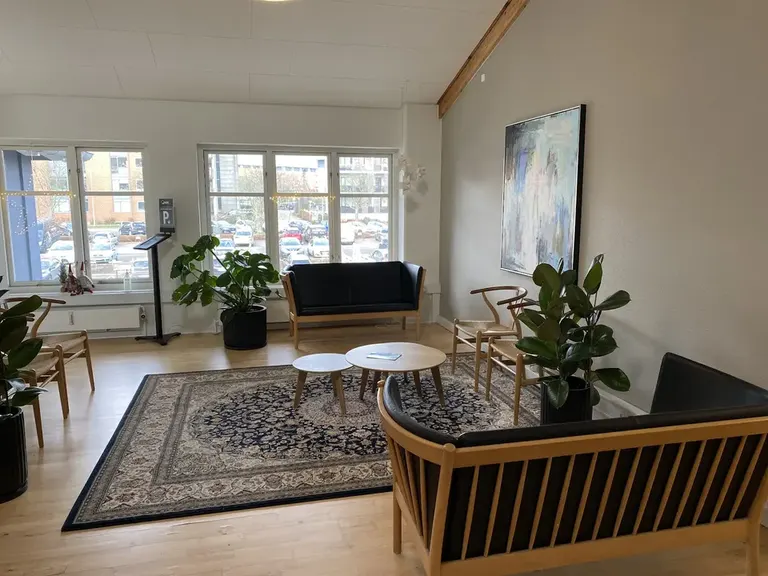
Klinik Bay is a gynecology and fertility clinic located at Jens Baggesens Vej 88F, 8200 Århus N, specializing in comprehensive fertility assessment and treatment for individuals and couples, including those with existing children; the clinic offers a full range of services such as fertility investigations, insemination without waiting time, pregnancy care, ultrasound scanning, PCOS management, IUD and contraceptive pill provision, and general gynecological care, with the distinctive feature of free treatment when a referral from a primary‑care physician is presented, and immediate program initiation after contact, while donor‑sperm procedures are available with patient‑covered costs; Klinik Bay emphasizes a collaborative professional approach by its multidisciplinary team, provides patient‑focused support through a secure email system, self‑service portals for new and existing patients, dedicated telephone hours (Monday‑Friday 9:00‑12:00), and convenient amenities including three‑hour free on‑site parking and registration of vehicle plates to avoid guest cards, ensuring a seamless and supportive experience throughout the fertility journey.
Freya fertility ApS
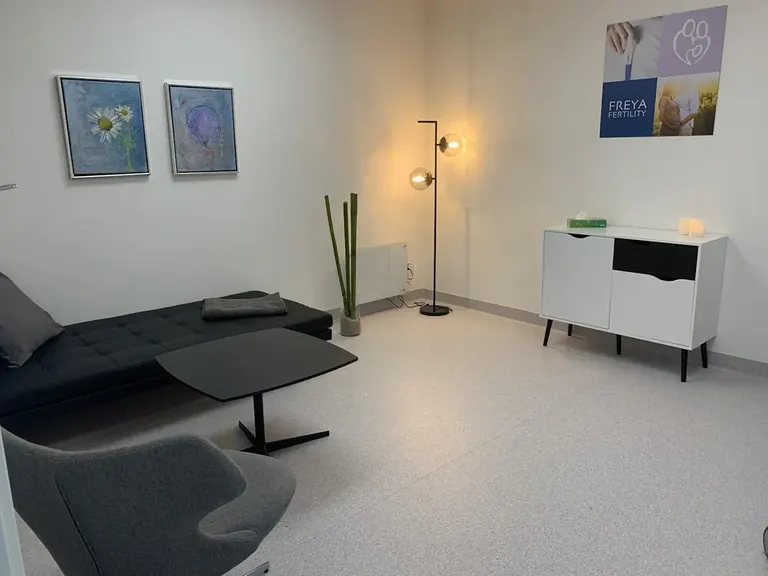
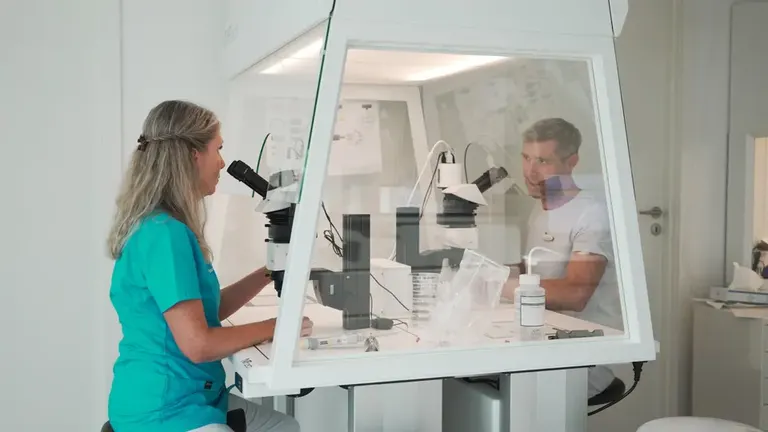
Freya Fertility is a specialized fertility clinic located in Herning, Denmark, focusing on personalized reproductive care that treats every patient as an individual rather than a number; the clinic’s main focus is delivering tailored IVF, ICSI, IUI, egg‑donation, ROPA (partner‑egg donation), frozen‑egg (FET), TESA and social‑freezing treatments with short waiting times of typically 2‑3 weeks. Key services include a “baby‑guarantee” package, flexible programmes for Danish and international patients, and a modern laboratory equipped with advanced embryo culture technology that contributes to a high success rating of 4.6 / 5 (labelled “Fremragende”). Freya’s multidisciplinary team—comprising experienced embryologists, fertility physicians, midwives, nurses, a consulting specialist and dedicated support staff—provides a compassionate, inclusive environment especially welcoming to LGBTQ+ families, and ensures clear communication through secure e‑mail, detailed medication guidance, FAQs, open‑house events and a patient‑focused concierge service that handles parking, appointments and after‑care. The clinic’s professional approach, combined with its emphasis on trust, transparency and individualized treatment plans, distinguishes it as a leading centre for achieving successful pregnancies while offering comprehensive emotional and logistical support throughout the entire fertility journey.
Sellmer Clinic
Sellmer Klinik is a fertility clinic located in Copenhagen’s Ørestaden district, specializing in comprehensive reproductive care for both single women and couples through insemination, IVF and egg‑donation programmes, all offered without waiting lists. The clinic provides a full suite of services including free initial consultations, transparent pricing with no weekend or holiday surcharges, and round‑the‑clock availability – it is open 365 days a year and even offers weekend appointments. Patients benefit from a discreet setting in the office wing of Field’s, easy access by car, metro, bus or Copenhagen Airport, and a professional team led by owner and CEO Anette Sellmer that emphasizes respectful, caring treatment in calm, private rooms. Sellmer Klinik highlights a high success rate, noting that the majority of its patients achieve successful outcomes, and it supports patients throughout the journey with personalized counseling before, during and after procedures. Additional unique features include no extra fees, straightforward start‑up of treatment, and dedicated donor recruitment for egg donation, ensuring a supportive, patient‑centred experience from the first contact to parenthood.
King’s Fertility
King's Fertility is a fertility clinic located in London, specializing in personalized IVF and fertility treatments. With over 41 years of experience since its establishment in 1983, the clinic has helped create happy families through its innovative approaches. The clinic offers a range of services, including IVF treatment, IUI treatment, and egg freezing, with a team of experts committed to giving patients the best chance of success. Notably, the clinic has treated patients from 137 nationalities and has a success rate of 94.3% of patients rating them at least 4 stars. The clinic's team includes consultants who hold academic posts at King's College London, ensuring a research‑rich environment that keeps them at the forefront of science and knowledge. With a world‑class setting, the clinic provides tailor‑made treatments, and its association with King's College Hospital enables collaborative research projects. The clinic's approach prioritizes patient support, and its extensive experience is reflected in the 5,349 IVF babies born through their services.
Fertilitetsklinik IVF-SYD
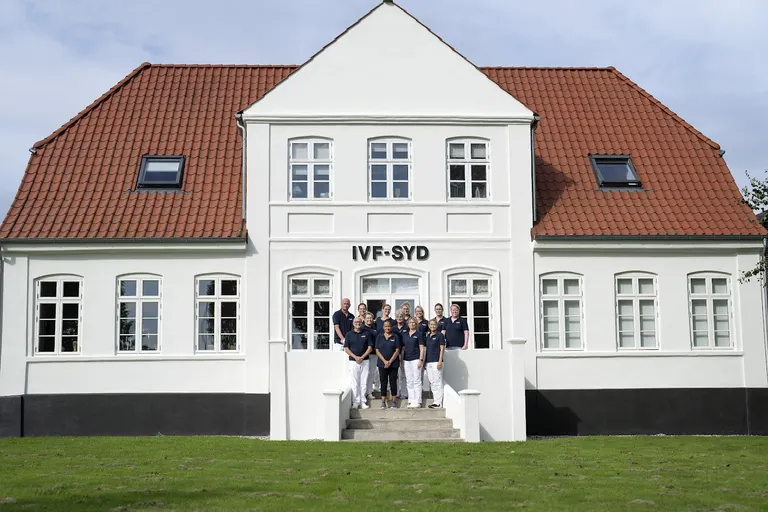
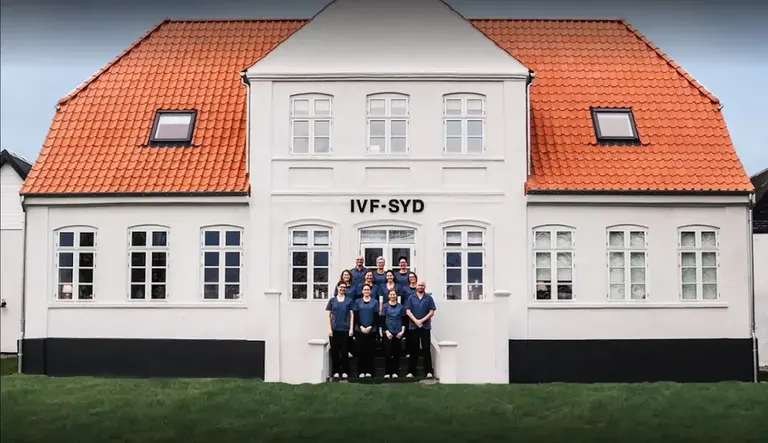
IVF-Syd is a private fertility clinic located in Fredericia, Denmark, dedicated to assisting individuals and couples facing challenges in conceiving. The clinic boasts a professional team of experienced staff who prioritize creating a safe and personalized treatment journey. IVF-Syd offers a range of fertility services, including insemination, IVF/reagentsglas treatment, egg donation, and the use of frozen eggs, among others. They cater to both single women and couples, providing tailored treatment plans based on individual histories and needs. Patients can access initial consultations without a referral from a general practitioner, ensuring a straightforward process for those seeking assistance. The clinic emphasizes a compassionate approach to fertility issues and is committed to achieving the best possible outcomes for their patients in a welcoming and secure environment.
Maigaard Fertilitetsklinik – Aarhus
Maigaard Fertility Clinic is a fertility clinic located in Aarhus (Jens Baggesens Vej 88H, 8200 Aarhus N) and Odense (Jernbanegade 1, 5000 Odense), Denmark, specializing in IVF, IVF with egg donation, and egg freezing. With more than 25 years of experience, the clinic has helped create thousands of families and boasts documented outstanding results with no waiting lists for donor‑egg cycles. Its comprehensive services include personalized IVF treatment, donor‑egg programs supported by a dedicated donor network, and proactive egg‑cryopreservation to preserve fertility. The clinic distinguishes itself through a patient‑centred philosophy that combines genuine care, rapid access to treatment, and the use of the latest reproductive technologies, ensuring reliable outcomes. A multidisciplinary team of experienced reproductive specialists, embryologists, and counselors works collaboratively with each patient, offering free initial consultations, continuous emotional support, and guidance before, during, and after treatment. Open weekdays with extended hours and dedicated phone slots, Maigaard provides accessible, high‑quality care aimed at turning the dream of parenthood into reality.
Fertilitetsklinikken Trianglen
Trianglen Fertility Clinic, established in 1993, is one of Denmark's oldest and most reputable fertility clinics, renowned for providing individualized and effective infertility treatments. They offer a comprehensive range of services, including IVF/ICSI, insemination, and donor programs for single women and LGBT couples, among others. The clinic prides itself on its experienced staff, who aim to ensure a painless egg retrieval process while delivering compassionate care throughout the treatment journey. Trianglen is committed to mental health support during fertility treatments, offering free consultations for Danish public health insurance cardholders, making fertility services accessible. Each year, the clinic contributes to the birth of over 500 babies, making it a key player in Scandinavia's reproductive health landscape.
Fertilitetsklinik IVF-SYD Odense
Juno IVF Fertilitetsklinik
Juno IVF is a private fertility clinic located in central Copenhagen, dedicated to assisting individuals and couples facing involuntary infertility. The clinic offers a comprehensive range of treatments, including hormone therapy, IVF, insemination, egg donation, and advanced procedures like assisted hatching and MACS cleansing. Juno IVF prides itself on providing personalized care tailored to each patient's specific needs, supported by a highly skilled and compassionate team in a welcoming environment equipped with the latest medical technology. With a strong commitment to patient support, the clinic collaborates with digital tools to enhance the treatment experience, ensuring continuous assistance throughout the process. Juno IVF operates with a focus on private patients and those with health insurance, and boasts a favorable success rate with about 70% of patients achieving their goal of parenthood.
Vitanova
Vitanova Fertility Centre in Copenhagen is a leading clinic specializing in mild and natural IVF treatments, part of the CREATE Fertility family. They offer a range of fertility services, including insemination (IUI), IVF with donor eggs or sperm, as well as virtual consultations tailored to individual needs. The clinic prides itself on a personalized approach, emphasizing the quality of eggs over quantity, which results in a less demanding experience both physically and financially for patients. Vitanova also organizes informative webinars, such as one on IUI, to help potential patients understand their options and get their questions answered by fertility experts. With a strong commitment to excellence and high success rates, Vitanova is dedicated to supporting individuals and couples of all backgrounds in their journey to parenthood.
Aleris Fertility
Aleris Fertility is a fertility and reproductive medicine clinic located in Copenhagen, Denmark, specializing in assisted reproductive technologies and personalized fertility care; it offers a full spectrum of treatments including IVF, ICSI, egg donation, and tailored programs for solo women, lesbian couples and heterosexual partners, all delivered within Denmark’s largest private hospital to ensure access to any specialist required for optimal outcomes. The clinic’s distinctive features include state‑of‑the‑art laboratory equipment, a dedicated online portal for secure communication and appointment management, and a flexible, interest‑free financing option through Resurs Bank. A multidisciplinary team led by Clinic Director Negjyp Sopa, PhD‑qualified obstetrician‑gynecologists such as Marie Louise Wissing, experienced embryologists, fertility nurses and coordinators provides a compassionate, evidence‑based approach, guiding patients from the initial consultation through every step of the treatment journey. While specific success rates are not disclosed, Aleris Fertility emphasizes comprehensive patient support, offering continuous education, emotional counseling, and a coordinated care pathway designed to create a calm, reassuring environment for individuals and couples pursuing their dream of parenthood.
Popular Destinations in Denmark
Explore popular cities and regions in Denmark.
Frequently Asked Questions
Everything you need to know about fertility treatment in Denmark.
Is sperm donation legal in Denmark?
expand_more
Sperm donation is legal in Denmark and is carefully regulated to protect all parties involved, including donors, recipients, and any children conceived through donation.
Danish law recognizes three different types of sperm donation: anonymous, open (identity-release), and known donors, each with distinct rules regarding donor information. The process is overseen by the Danish Patient Safety Authority and certified sperm banks, adhering to the requirements outlined in the Danish Tissue Act, which covers donor screening and assessment. While anonymous donations are currently permitted, legal challenges argue they may conflict with human rights related to the right to family life; prior to 2012, only anonymous donations were allowed.
To be approved as a sperm donor in Denmark, individuals typically need to be between 18 and 45 years old, demonstrate good physical and mental health with quality sperm and a BMI preferably under 35, and undergo comprehensive screening for genetic conditions, infectious diseases, and other factors like recent piercings or tattoos.
What is the age limit for IVF in Denmark?
expand_more
The general legal age limit for women undergoing IVF treatment in Denmark is 46 years old, and this applies to private fertility clinics with no exceptions.
There is no age limit specified for male partners. Publicly funded IVF treatment has more restrictive age criteria, requiring women to be referred to a public clinic before their 40th birthday and not providing treatment after age 41. The 46-year-old age limit for private treatment remains consistent whether a woman is using her own eggs or donor eggs, though egg donors themselves must be between 18 and 35 years old.
While the legal maximum age is 46, some private clinics may consider a woman’s overall health and reproductive function when making treatment decisions, and may recommend additional procedures like assisted hatching for women over 37. It is important to note that fertility treatment is generally not offered to women with a BMI over 35.
What is the IVF success rate in Denmark?
expand_more
IVF success rates in Denmark are notably high, with assisted reproductive technology contributing to a significant number of births in the country, though specific national averages aren’t uniformly published.
Success rates vary considerably based on the age of the woman and whether her own eggs or donor eggs are used. For women under 35, pregnancy rates range from approximately 38% to 55% per cycle, decreasing to 28-41% for those aged 35-39, and further to around 10-15% for women aged 40-42. Success rates are considerably lower for women 43 years and older, sometimes falling below 5% per cycle. Using donor eggs generally results in higher success rates, with figures reported between 39-41% and as high as 65-75% per cycle.
Denmark is a leading European destination for IVF due to its advanced medical standards and liberal fertility laws, though comparing success rates internationally is complex due to differing reporting methods between countries.
Can lesbians do IVF in Denmark?
expand_more
Yes, lesbian couples can pursue IVF and other fertility treatments in Denmark, which has a supportive legal framework for same-sex couples seeking to build families.
Denmark was an early adopter of recognizing same-sex partnerships and has since moved towards gender-neutral marriage laws, making fertility treatments legally accessible to lesbian couples alongside single women and heterosexual couples. Access to donor sperm is readily available, with options for both anonymous and “open” donors, and comprehensive donor profiles are often accessible.
Danish law ensures both partners in a lesbian couple can be legally recognized as parents; the female partner of the birth mother is recognized as a co-mother with consent, and automatic registration of co-motherhood has been streamlined since 2022. Furthermore, as of 2025, reciprocal IVF (ROPA) will be legal, allowing one partner to contribute eggs for fertilization with donor sperm and the other to carry the pregnancy.
Can single women do IVF in Denmark?
expand_more
Yes, single women can undergo IVF treatment in Denmark, as Danish law is liberal regarding assisted reproductive technologies.
Single women have been legally permitted to access fertility treatments like IVF since January 2007, regulated by the Act on Artificial Fertilisation. Denmark offers access to a large sperm bank with minimal waiting times, allowing single women to choose between anonymous or non-anonymous donors, with the option for children born from non-anonymous donors to learn the donor’s identity at age 18.
Women can receive fertility treatment up to age 46, though public funding has age restrictions; women must be referred before 40 and complete treatment by 41 to qualify for public funding, while private treatment is available up to age 46. Public funding covers up to three fresh IVF transfers or five started cycles for eligible women under 40, but single women may need to cover the cost of donor sperm at private clinics.
Are egg donors anonymous in Denmark?
expand_more
In Denmark, egg donors can be either anonymous or non-anonymous, offering prospective parents a choice in how much information about the donor is shared.
For anonymous donations, recipients and any resulting child do not receive identifying information about the donor, only non-identifying characteristics like height, eye color, and education level are provided. Alternatively, an “open donation” allows donor-conceived children to access identifying information, such as the donor’s name, nationality, and date of birth, when they turn 18, though the donor is not obligated to make contact.
Historically, Denmark only allowed anonymous donations until 2012, and while open donations are currently available, they are typically more expensive; legal challenges are also ongoing that could potentially change the laws surrounding anonymous donations in the future.
When was the first IVF baby born in Denmark?
expand_more
The first IVF baby in Denmark was born in October 1983. This birth represented an important advancement in Danish reproductive medicine.
Although details regarding the specific clinic or physician involved are not widely available, the event was a significant milestone for the country. Denmark has since become known for its progressive fertility laws and accessible treatments, with a notable percentage of births – estimated between 8-10% – resulting from assisted reproductive technologies.
Prior to this landmark birth, Denmark established its first privately owned sperm bank, Den Centrale Sædbank, in 1975, laying some of the groundwork for future advancements in assisted reproduction.
Is egg donation legal in Denmark?
expand_more
Egg donation is legal in Denmark and is available to single women, heterosexual couples, and female same-sex couples.
The legal framework in Denmark permits both anonymous and open egg donations, with donors required to be between 18 and 35 years old and in good physical and mental health. Donors undergo thorough screening for infectious diseases and a mandatory psychological evaluation, and should be non-smokers with a BMI under 30.
While egg donation is altruistic and unpaid, donors can receive compensation for expenses up to 7,000 Danish Kroner (approximately €940). It is also legal to receive an oocyte donation from a known donor, excluding the patient’s mother or daughter, and double donation is allowed, though practices like embryo donation, sex selection, surrogacy, and PGS/PGD screening are prohibited.
How much does IVF cost in Denmark?
expand_more
The cost of IVF in Denmark typically ranges from €3,300 to €4,500 (approximately $3,600 to $4,900 USD) for a standard cycle using your own eggs, though some clinics offer single cycles starting around €3,480.
Multi-cycle packages are frequently available and can provide cost savings, with a 3-cycle package ranging from approximately €6,295 to €8,045 (around $6,900 to $8,750 USD) depending on the clinic and treatment protocol. For women up to 35 years old, a 3-treatment package for ICSI treatments can cost €6,174, while for women over 35, the cost is €7,124. IVF with donor eggs generally costs between €7,000 and €8,300 (approximately $7,600 to $9,000 USD), with some clinics offering options around €45,800 DKK (approximately $6,600 USD) for egg donation with IVF and €49,800 DKK ($7,200 USD) for egg donation with ICSI.
It is important to note that medication costs are usually not included in the initial price and are paid separately to the pharmacy, varying based on the individual’s treatment plan. Additionally, ICSI, where a single sperm is injected into an egg, can add approximately €475 to €520 (around $515 to $565 USD) to the cost of a cycle, and may be included in some packages.
Why choose Denmark for IVF?
expand_more
Denmark is a leading destination for individuals seeking IVF treatment, offering a combination of advanced medical care, a progressive legal framework, and high success rates.
The country provides cost-effective treatment options, with a standard IVF cycle ranging from €3,300 to €7,800 and egg donation IVF typically costing between €5,000 and €8,300. Danish fertility laws are notably inclusive, extending access to treatment for childless couples, single women, and same-sex couples, with treatment available up to age 46. Furthermore, ART subsidies now cover both the first and second child, since January 1, 2024.
Danish clinics adhere to strict medical and ethical standards overseen by the Danish Health Authority, achieving success rates of 45% to 55% per cycle for IVF using a woman’s own eggs (for those under 35) and 65% to 75% per cycle for donor egg IVF, with Freya Fertility reporting a 65.2% clinical pregnancy rate per embryo transfer in 2024. Denmark also has the world’s largest sperm bank and a remarkably high proportion of babies born through assisted reproduction – estimated at 8-10% of all births.
Is reciprocal IVF (ROPA) allowed in Denmark?
expand_more
Reciprocal IVF, also known as ROPA (Reception of Oocytes from Partner), is permitted in Denmark for lesbian couples.
A legal change effective January 1, 2025, removed the previous requirement of a medical reason, making this treatment accessible to all lesbian couples. Both partners must be tested for HIV, hepatitis B and C, and chlamydia, and women can undergo treatment until their 46th birthday.
Danish legislation ensures both partners in a same-sex couple undergoing ROPA are legally recognized as parents from birth, thanks to a streamlined administrative procedure established in 2018, eliminating the need for adoption. Several clinics throughout Denmark, including Diers Fertility Clinic, Maigaard Clinic, Cryos International, Sellmer Clinic, Vitanova Fertility Centre, and IVF-Syd, offer ROPA as a service.
Is surrogacy legal in Denmark?
expand_more
Denmark permits altruistic surrogacy, but commercial surrogacy is illegal.
Altruistic surrogacy is allowed as long as no financial remuneration is exchanged, and the surrogate mother meets specific criteria including being at least 25 years old, having given birth before, and residing in Denmark. A close relationship between the surrogate and intended parents is also required, and a genetic link to at least one parent is necessary for registered parenthood. New legislation taking effect January 1, 2025, will clarify parentage rules for children born through surrogacy, both within Denmark and internationally.
While commercial surrogacy is prohibited and can result in fines or imprisonment, approximately 100 children are born annually to Danish parents via international commercial surrogacy. Previously, Danish law considered the birth mother the legal parent, creating challenges for children born through surrogacy abroad, but the upcoming legislation aims to address this by establishing clearer pathways to legal parentage.
IVF in Denmark: A Comprehensive Guide
Considering IVF treatment abroad? Denmark stands out as a leading destination, boasting the highest proportion of babies born through assisted reproductive technology (ART) globally, with approximately 10% of Danish babies conceived using ART. Discover why Denmark is a preferred choice for fertility treatment with its liberal legislation, high-quality healthcare services, and inclusive attitudes towards ART procedures.
IVF Treatment in Denmark
With a concentration of major fertility clinics, primarily in Copenhagen, Denmark offers a wide range of reproductive technologies, including IVF, intracytoplasmic sperm injection (ICSI), and egg/sperm donation. Recent legislative changes in 2018 legalized double donation, overcoming previous obstacles for certain couples with fertility issues.
Intrauterine insemination (IUI) and artificial insemination with donor (AID) are legal and popular treatments in Denmark, offering simplicity, affordability, and accessibility. Costs for IUI start from approximately EUR 250, with additional expenses for donor sperm if required.
Egg Donation
Denmark allows the use of donated eggs and sperm in IVF/ICSI treatment, offering options for infertile heterosexual couples, single women, and female couples. Donors can choose to remain anonymous or become open donors, providing recipients with essential information for informed decision-making.
Safety and Quality
Fertility clinics in Denmark are regulated by strict laws and supervised by the Danish Health Authority, ensuring adherence to quality standards and transparency. The national registry on ART treatments provides valuable data on treatment pathways and outcomes.
IVF Laws in Denmark
Denmark's Act on Artificial Fertilisation allows access to ART for childless couples, single women, and female same-sex couples until the age of 46. Donor eggs and sperm are permitted, with options for anonymous or open donation. Egg donors undergo rigorous screening and must be between 18 and 35 years old.
IVF Costs in Denmark
Denmark offers competitive pricing for IVF treatments, with costs starting from €3,500 for basic IVF and €4,000 for IVF with ICSI. Additional expenses such as medication, tests, and travel should be considered. Egg donation treatments start at around €6,500 for anonymous donors, with options for reduced costs with known donors.
Denmark emerges as a top choice for individuals and couples seeking IVF treatment abroad, characterized by its progressive legislation, affordable pricing, and commitment to safety and quality standards. With its renowned healthcare system and diverse treatment options, Denmark continues to attract patients from around the world seeking fertility solutions.