Best IVF and Fertility Clinics in Kenya
Top IVF Clinics in Kenya
Clinics with the highest ratings and verified quality care in this region.
AFA IVF CONSULTANTS.
Aspire Fertility Agency (AFA) is a comprehensive fertility clinic located in Nairobi, Kenya, specializing in personalized assisted‑reproduction solutions for individuals and couples seeking to build or preserve their families; its main focus encompasses in‑vitro fertilization (IVF), intracytoplasmic sperm injection (ICSI), egg‑donor programs, and a full spectrum of surrogacy services for single, married and unmarried partners, including surrogacy with egg donors and private “IVF at home” options. AFA offers advanced reproductive technologies, high‑quality donor egg and sperm banks, and 24/7 telephone support, while integrating medical, legal and emotional care to ensure a seamless journey from diagnosis to parenthood. The clinic highlights a compassionate, patient‑centered approach, with a team of experienced fertility specialists praised for exceptional people skills, evidence‑based treatment planning, and continuous follow‑up, as reflected in numerous positive testimonials. Although specific success rates are not disclosed, AFA emphasizes its commitment to high success potential through state‑of‑the‑art labs and individualized protocols, and provides holistic support services such as counseling, legal guidance, and round‑the‑clock assistance to address every aspect of the fertility experience.
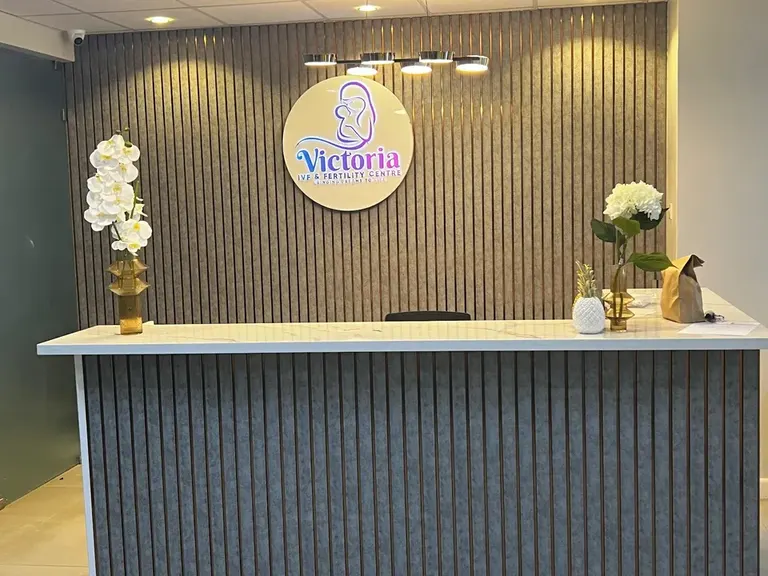
Victoria Fertility Clinic in Nairobi, Kenya – IVF Centre
Victoria Fertility Clinic is a leading fertility clinic located in Nairobi, Kenya, specializing in comprehensive assisted reproductive medicine. The centre offers a full spectrum of services including follicular monitoring, intra‑uterine insemination (IUI), in‑vitro fertilisation (IVF), ICSI/IMSI, TESA/PESA, pre‑implantation genetic testing (PGT/PGD/PGS), donor programmes, cryopreservation, ovarian rejuvenation, male and female infertility management, and surrogacy, all delivered in a state‑of‑the‑art IVF laboratory equipped with cutting‑edge technology. With over 10 years of experience among its specialist team—highlighted by Dr Ruchik Sarvaiya, an IVF expert who has assisted more than 2 000 patients, and biomedical scientist Faith Kemunto, a fertility advocate—the clinic provides personalized, evidence‑based treatment plans and maintains a high success rate, having helped more than 1 500 couples achieve pregnancy. Patient support is integral, offering counselling, stress‑management resources, and transparent communication throughout the journey, while affordable pricing and flexible financing options make care accessible. The clinic’s compassionate, patient‑centred approach, combined with advanced diagnostics and a multidisciplinary team, distinguishes it as the premier IVF destination in Nairobi.
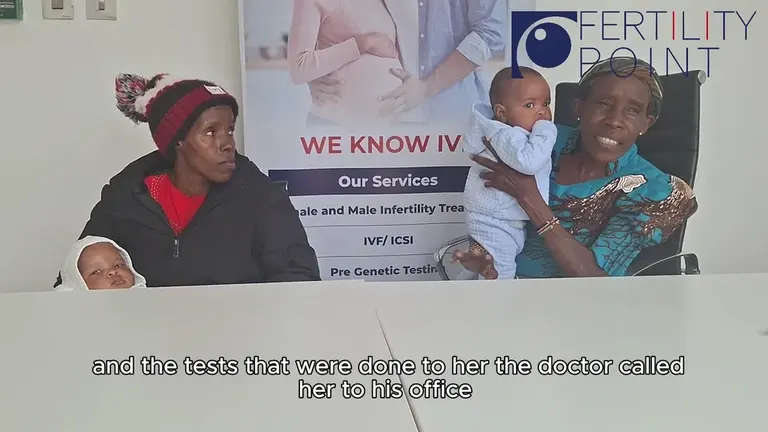
Fertility Point Head Office
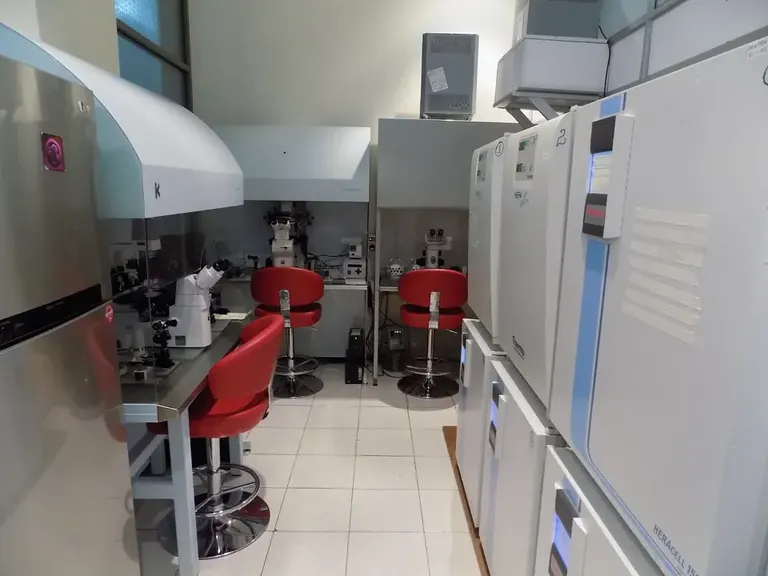
Fertility Point is a leading IVF and fertility clinic located in Nairobi’s Upper Hill (with additional centres in Parklands, Kisumu and Mombasa), specializing in comprehensive infertility treatment and assisted reproductive technologies. The centre offers a full spectrum of services including in‑vitro fertilisation (IVF), intracytoplasmic sperm injection (ICSI), egg vitrification, male infertility work‑up, IUI, pre‑implantation genetic testing, embryo donation and family‑balancing options, all delivered in an international‑standard clinical setting with no waiting period. Its state‑of‑the‑art laboratory features time‑lapse incubators, robust quality‑management protocols and the latest embryo‑culture technologies, contributing to a reported 65 % success rate, over 5 000 IVF cycles and more than 3 500 successful pregnancies. A multidisciplinary team led by IVF specialists Dr Rajesh Chaudhary, Dr Eglay Nyakoa Mukabana, Dr Ayalew Marye Kassa and Dr Nganga Maguzu, together with clinical psychologist Dr Narsi Michelle, provides personalized treatment plans, skilled embryology, and professional psychosocial support throughout the journey. Affordable payment options, easy WhatsApp booking, and dedicated patient‑education resources further distinguish Fertility Point as a patient‑focused, high‑quality fertility destination.
Fertility Point I Best IVF Centre in Nairobi I Best Fertility Doctors
Fertility Point is a leading IVF and fertility clinic located in Nairobi’s Upper Hill (with additional centres in Parklands, Kisumu and Mombasa), specializing in comprehensive infertility treatment and reproductive medicine. The centre offers a full spectrum of services including in‑vitro fertilisation (IVF), ICSI, IUI, egg vitrification, embryo freezing, male infertility diagnostics, hormonal therapy, genetic testing and personalized donor‑egg or sperm programmes, all delivered in an international‑standard clinical setting that emphasizes convenience with no waiting periods and flexible payment options. Its state‑of‑the‑art laboratory features cutting‑edge technologies such as a time‑lapse incubator, robust quality‑management protocols and a dedicated team of experienced embryologists that contribute to a reported 65 % overall success rate, over 5 000 IVF cycles and more than 3 500 successful pregnancies. The multidisciplinary team—led by IVF specialists Dr Rajesh Chaudhary, Dr Eglay Nyakoa Mukabana, Dr Ayalew Marye Kassa and Dr Nganga Maguzu—works alongside clinical psychologist Dr Narsi Michelle to provide professional, evidence‑based care combined with psychosocial and emotional support, WhatsApp group communication, patient education and a seamless appointment process, ensuring each couple receives personalized, compassionate guidance throughout their journey to parenthood.
Nairobi IVF Centre
Nairobi IVF Centre is recognized as Kenya's oldest infertility management center and is frequently cited for its high success rates and comprehensive treatment offerings. The clinic provides a full spectrum of services, from initial medical consultation and health screening to psychological counseling, legal advice, and IVF procedures, allowing patients to complete the entire journey in one location. Experienced doctors such as Dr. Noreh and Dr. Noah, together with embryologists trained in the US and Europe, deliver advanced techniques like ICSI and PGD using state‑of‑the‑art equipment. Success stories include the birth of twins, a baby girl, and recent twin boys after prolonged infertility struggles. However, recurring concerns involve rude reception staff and management, long waiting times, inconsistent communication, and financial grievances related to high procedure costs and delayed refunds. Overall, the clinic offers strong medical expertise and supportive care but would benefit from improvements in patient interaction, scheduling transparency, and financial handling.
Popular Destinations in Kenya
Explore popular cities and regions in Kenya.

Frequently Asked Questions
Everything you need to know about fertility treatment in Kenya.
Can single women do IVF in Kenya?
expand_more
Yes, single women can pursue IVF in Kenya, as the country’s legal framework, particularly the Assisted Reproductive Technology (ART) Act, generally supports access to fertility treatments regardless of marital status.
Kenya’s constitution emphasizes the right of every individual to form a family, extending to reproductive choices, and the ART Act appears inclusive of single individuals seeking treatments like IVF. Donor sperm is readily available in Kenya for single women, with options to source it locally or import from international banks, and legal parentage is typically attributed to the birth mother.
While there are no explicit upper age limits for IVF generally, age is considered in treatment suitability, and clinics conduct medical assessments. Recipients over 45 may be advised to consider using donor eggs alongside donor sperm to improve success rates, and information regarding public funding for single individuals undergoing IVF is not widely available.
Is surrogacy legal in Kenya?
expand_more
Surrogacy is legal in Kenya, but with significant restrictions; commercial surrogacy is now outlawed, while altruistic surrogacy is permitted under strict conditions.
Previously operating in a legal gray area, surrogacy in Kenya is now governed by the recently enacted Assisted Reproductive Technology (ART) Bill, 2022. This legislation prohibits payment to surrogate mothers beyond reimbursement for medical and related expenses, ending its status as a destination for international fertility tourism. Altruistic surrogacy is allowed for Kenyan citizens medically unable to conceive, typically those who are divorced, widowed, or single, and the surrogate must meet specific criteria including age, medical assessments, and prior childbirth.
The new ART Bill also addresses legal parentage, aiming to transfer full legal and financial responsibility for the child to the intended parents at birth, provided a written and witnessed surrogacy agreement is in place, a change from previous statutes where the surrogate mother was considered the legal mother.
Are egg donors anonymous in Kenya?
expand_more
Yes, egg donation in Kenya is legally required to be anonymous, protecting the donor’s identity from the child conceived through donation once the child reaches the age of 18.
The Assisted Reproductive Technology (ART) Bill, passed in 2022, regulates fertility treatments and has established a national, confidential registry for donors, embryos, and children born via ART. The Directorate managing this registry is legally prohibited from disclosing the identity of gamete donors, creating a more restrictive approach to anonymity than in some other countries.
Recent legislative changes through the ART Bill aim to regulate gamete donation and establish legal frameworks that balance the child’s right to identity with the donor’s right to privacy and anonymity, ultimately protecting children born through ART.
Is egg donation legal in Kenya?
expand_more
Egg donation is a developing area in Kenya, with legislative efforts underway to regulate assisted reproductive technologies, including egg donation, though a fully comprehensive legal framework is still being established.
Kenya is currently working to solidify regulations surrounding ART, with the Assisted Reproductive Technology (ART) Bill, 2022, being a key step in addressing a previous lack of specific laws. While surrogacy is legal, the bill aims to create clear guidelines for all ART procedures, including egg donation, to prevent unprofessional practices and legal disputes.
Prospective egg donors in Kenya are generally expected to be between 21 and 35 years old, though some sources suggest ranges of 21-30 or 18-30 years, with a stipulation in the 2022 bill that donors must be at least 18 years old, except in cases of minor’s future procreation with parental consent. Comprehensive medical and genetic screening, a thorough medical history, and good general health are also required of potential donors.
Can gay couples do IVF in Kenya?
expand_more
Yes, gay couples can pursue parenthood through IVF and surrogacy in Kenya, although the legal situation requires careful consideration.
For male same-sex couples, IVF is possible using donor eggs and one partner’s sperm, with costs ranging from approximately USD 23,000 to USD 40,000 depending on the donor and clinic chosen. Kenya is also a destination for surrogacy, which typically involves an egg donor and a surrogate mother, with estimated costs between USD 35,000 and USD 50,000 covering various fees and procedures.
It is important to note that same-sex marriage is not legally recognized in Kenya, and joint adoption is not permitted; therefore, establishing legal parenthood often requires obtaining a court order to transfer parental rights, functioning similarly to an adoption process.
Is embryo donation legal in Kenya?
expand_more
Embryo donation is not illegal in Kenya and is considered a part of assisted reproductive technology services, though it isn’t addressed by a specific statute.
Current regulations fall under broader frameworks for assisted reproductive technologies and surrogacy, with the Assisted Reproductive Technology (ART) Bill 2022 aiming to provide a more comprehensive legal framework for fertility treatments. Surrogacy arrangements, and likely embryo donation agreements, are often treated as civil contracts under the Law of Contract Act.
The donor’s written consent is mandatory for the use of human reproductive material to create an embryo, and counseling for all parties involved in ART procedures is becoming compulsory to ensure full understanding of the process and its implications. A confidential national register for donors and embryos is also being established.
Why choose Kenya for IVF?
expand_more
Kenya is becoming a popular choice for IVF treatment due to its affordability, quality of medical care, and the recent development of a clear legal framework.
The cost of IVF in Kenya is significantly lower than in many Western countries, ranging from USD 3,300 to USD 6,000 for a basic cycle, and slightly more for donor IVF, compared to upwards of USD 25,000 in some developed nations. Kenyan fertility clinics are equipped with advanced technology and staffed by experienced, internationally trained specialists, with success rates for women under 35 ranging from 57-60% for self-cycles and 70-75% for donor cycles, and some clinics reporting even higher rates.
Furthermore, the passage of the Assisted Reproductive Technology (ART) Bill in 2022 provides a comprehensive legal framework for fertility services, regulating clinics, defining parental rights, and ensuring safety standards, while Kenya is also developing as a medical tourism hub offering personalized care and readily available donor options for IVF with eggs and sperm.
Is IVF legal in Kenya?
expand_more
Yes, IVF and other assisted reproductive technologies (ART) are legal in Kenya, as established by the Assisted Reproductive Technology (ART) Act, 2022.
The ART Act, 2022, provides a comprehensive legal framework for ART services like IVF, intrauterine insemination, gamete and embryo donation, and surrogacy, with the Assisted Reproductive Technology Directorate serving as the primary regulatory body responsible for standards, licensing, and national registers.
Individuals seeking ART services must be certified by a medical practitioner as requiring intervention for medical or health reasons, and explicit informed consent is required from donors for the use of reproductive material; surrogacy is permitted on an altruistic basis, with foreigners ineligible to participate, and practices like commercial surrogacy and sex selection for non-medical reasons are prohibited.
Is reciprocal IVF (ROPA) allowed in Kenya?
expand_more
Reciprocal IVF (ROPA) is not explicitly prohibited or mentioned in Kenyan law, but its legal standing remains unclear as of the recent enactment of the Assisted Reproductive Technology (ART) Bill, 2022.
The ART Bill, 2022, provides the first legal framework for fertility treatments like IVF and gamete donation, but does not specifically address ROPA, leaving it in a gray area legally. The bill does require written consent for all fertility treatments and outlines age limits and eligibility criteria for surrogacy, and mandates registration and regulation of ART clinics and practitioners. A medical evaluation of both partners is required to determine roles in ROPA.
Parental recognition for children born through assisted reproductive technologies is generally intended to be equal to those born naturally under the ART Bill, however, the legal recognition of same-sex couples and their parental rights is complex, as same-sex marriage is not legally recognized in Kenya.
How much does IVF cost in Kenya?
expand_more
The cost of IVF in Kenya varies depending on the clinic and services needed, but a basic IVF cycle generally ranges from KES 200,000 to KES 400,000, which is approximately USD 1,500 to USD 3,500.
This basic cost can be further increased by additional expenses such as fertility medications, which range from KES 50,000 to KES 150,000, or USD 800 to USD 1,600. Procedures like ICSI, if required, can bring the cost to between KES 350,000 to KES 500,000 (USD 2,800 to USD 4,000), and Preimplantation Genetic Testing adds approximately KES 300,000 (USD 2,000) or USD 3,000 to the overall expense.
For those needing egg donation, the cost is higher, estimated between KES 400,000 to KES 600,000 (USD 3,200 to USD 4,800). Some clinics in Nairobi offer IVF with an egg donor for around USD 4,000.
When was the first IVF baby born in Kenya?
expand_more
The first IVF babies in Kenya were born in May 2006. These were twin girls delivered at Avenue Hospital in Parklands, Nairobi.
Dr. Joshua Noreh, an obstetrician and gynecologist, played a key role in achieving this milestone, and has since helped bring nine more children into the world through IVF. Since 2006, over 2,000 babies have been born in Kenya as a result of IVF treatments.
Despite the success of IVF in Kenya, challenges remain, including the absence of specific legislation recognizing assisted reproduction and the high cost of treatment, particularly due to the need to import medications.
What is the age limit for IVF in Kenya?
expand_more
In Kenya, there isn’t a strict legal age limit for IVF, but age is a significant factor considered by clinics due to its impact on success rates and overall health assessments.
The Assisted Reproductive Technology (ART) Bill defines age limits for surrogacy, stating intended parents must be Kenyan citizens between 25 and 55 years old, and surrogate mothers must be between 25 and 45 years old and have previously given birth. While no overarching IVF age limit exists, success rates generally decline with age, particularly for women over 35, and are significantly lower for those over 40 using their own eggs. Clinics evaluate each case individually, considering health, ovarian reserve, and risks associated with advanced maternal age, often recommending donor eggs for older individuals to improve pregnancy chances.
The ART Bill also addresses donor gametes, prohibiting procurement from anyone under 18, except with parental consent for the minor’s future use, and emphasizes the need for written consent and prohibits the sale of gametes or embryos.
Can lesbians do IVF in Kenya?
expand_more
Lesbian couples can pursue IVF in Kenya, though the legal situation is evolving and requires careful consideration.
Kenya’s legal framework historically defined “couple” as a heterosexual married pair, but recent legislation like the Assisted Reproductive Technology (ART) Bill, 2022, aims to provide access to fertility care for all Kenyans regardless of gender or marital status. While the ART Bill defines a commissioning “couple” as a man and a woman in a legally recognized marriage, potentially excluding same-sex couples from surrogacy, some sources indicate that LGBTQ+ individuals and couples can still access IVF through specialized agencies.
Lesbian couples in Kenya can also access donor sperm for insemination or IVF procedures, with several clinics and organizations offering these services; the ART Bill also intends to establish a national donor register.
What is the IVF success rate in Kenya?
expand_more
IVF success rates in Kenya are generally comparable to international standards, though they vary depending on factors like age and whether donor eggs are used.
For women under 35, success rates for a live birth typically range from 50% to 65%, with some clinics reporting even higher rates of 70-80%. As age increases, success rates decline, falling to approximately 35% to 45% for those between 35 and 40, and dropping to 20% to 30% or lower for women over 40. Using donor eggs generally results in higher success rates, ranging from 70% to 75%, due to the use of eggs from younger and healthier donors.
Reports from the African Fertility Society indicate success rates around 30% to 40% for those under 35 in top sub-Saharan African centers, aligning with global benchmarks of around 35% per transfer as reported by ESHRE. Urban clinics in Kenya often achieve success rates that match these international standards.
How does IVF work in Kenya?
expand_more
In Kenya, In Vitro Fertilization (IVF) is a medical procedure where eggs and sperm are combined outside the body, and the process is legally regulated by the Assisted Reproductive Technology (ART) Act, 2022 to ensure ethical practices and patient safety.
The typical IVF process begins with an initial consultation and comprehensive testing for both partners, including hormonal evaluations, semen analysis, and infection screenings, to develop a personalized treatment plan. Following this, the female partner undergoes ovarian stimulation with fertility medications for 8 to 14 days, closely monitored by ultrasounds and blood tests to encourage multiple egg development and to prevent complications like Ovarian Hyperstimulation Syndrome. Mature eggs are then retrieved using a needle guided by ultrasound, usually with light sedation, and fertilization takes place in a laboratory setting, sometimes utilizing Intracytoplasmic Sperm Injection (ICSI) for cases of male factor infertility.
After fertilization, the developing embryos are cultured in the lab for 3 to 5 days, with embryologists monitoring their growth and quality, and advanced techniques like blastocyst culture may be used to aid in embryo selection.
Can you choose gender with IVF in Kenya?
expand_more
In Kenya, gender selection with IVF is generally allowed only when there is a medical reason, such as preventing the inheritance of a sex-linked genetic disorder.
Non-medical gender selection, like family balancing, is discouraged and prohibited by the Assisted Reproductive Technology Act, 2022, with penalties including substantial fines or imprisonment. Preimplantation Genetic Testing (PGT) can be used to identify the sex of embryos to avoid passing on hereditary diseases, and this method is highly accurate, often exceeding 99% in success rates.
Even when PGT is used for medical reasons, informed consent from patients and strict adherence to ethical guidelines and regulations are required throughout the process.
Is sperm donation legal in Kenya?
expand_more
Sperm donation is increasingly practiced in Kenya, but currently operates without specific laws regulating assisted reproductive technology (ART).
Although the Assisted Reproductive Technology Bill of 2022 has been proposed, it has not yet been enacted. This means sperm donation is not currently regulated by law, and clinics often follow international best practices and internal policies. Donations are typically anonymous, though there is growing discussion about increasing transparency and creating a national register for donors and children born through assisted reproduction.
Donors are screened with medical and genetic testing, and proposed legislation specifies a minimum age of 18 for donors. Financial compensation for sperm donation is common in Kenya, ranging from approximately KSh 40,000 to KSh 100,000 per donation, depending on donor characteristics.