Best IVF and Fertility Clinics in Sweden
Find the best IVF and fertility clinic in Sweden for you. Compare patient reviews, treatment options and IVF costs in Sweden.
Top IVF Clinics in Sweden— Page 2
Compare IVF treatment costs and patient ratings across fertility clinics in Sweden.

C-Medical Fertilitet GynHälsan
C-Medical Fertilitet GynHälsan in Uppsala, Sweden, is a highly regarded fertility clinic specializing in comprehensive…

Nordic IVF & Gynekologi Stockholm
Nordic IVF & Gynekologi Stockholm is a highly regarded fertility clinic in Stockholm, Sweden, known…

Livio Malmö
Livio Malmö is a highly reputable fertility clinic in Malmoe, Sweden, renowned for its comprehensive…
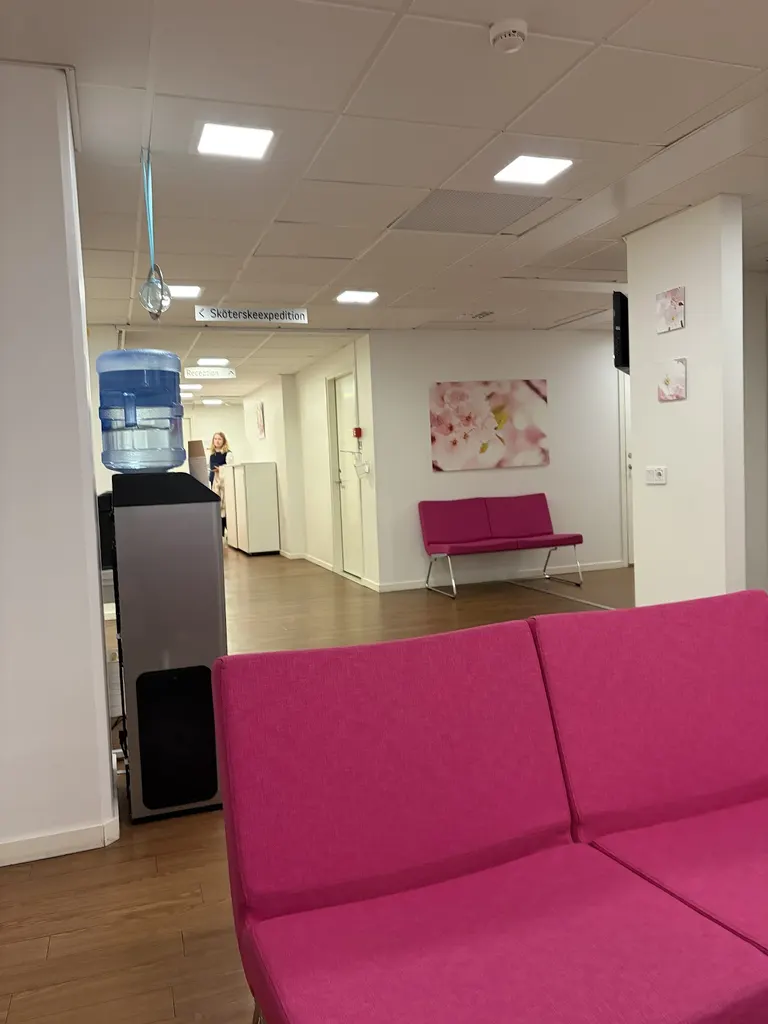
IVF-gruppen vid Sophiahemmet
IVF-gruppen vid Sophiahemmet is a highly reputable fertility clinic in Stockholm, Sweden, renowned for its…

Livio Kungsholmen
Livio Kungsholmen in Stockholm, Sweden offers professional fertility care.
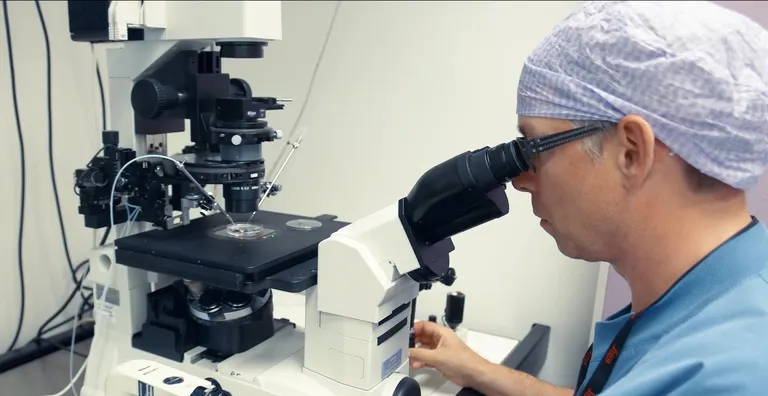
Livio Gärdet
Livio Gärdet in Stockholm, Sweden provides fertility investigations and treatments for various family configurations.
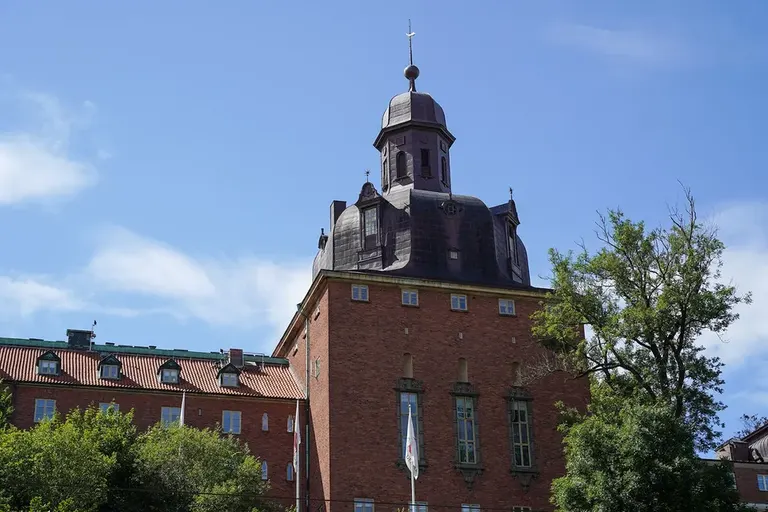
Fertility Center Gothenburg IVF clinic
Fertility Center Gothenburg IVF clinic in Göteborg, Sweden provides specialized fertility investigations and treatments.
IVF success rates in Sweden
Explore national outcomes for donor eggs, frozen embryo transfers and fresh IVF or ICSI. Find your age group and treatment, and compare with the EU reference where equivalent data are available.
| Recipient age | Country | EU median |
|---|---|---|
| <34 years | 50.0% | 45.7% |
| 35–39 years | 45.6% | 45.5% |
| 40+ years | 38.8% | 41.7% |
Age of the recipient · donor treatment combined
EU median: 16 reporting EU countries
| Age group | Country | EU median |
|---|---|---|
| <34 years | 46.2% | 38.8% |
| 35–39 years | 40.3% | 32.8% |
| 40+ years | 29.0% | 27.9% |
Own eggs · frozen IVF / ICSI embryos
EU median: 18 reporting EU countries
| Age group | Country | EU median |
|---|---|---|
| <34 years | 26.7% | 25.6% |
| 35–39 years | 21.2% | 20.2% |
| 40+ years | 12.2% | 10.1% |
Own eggs · fresh ICSI treatment
EU median: 19 reporting EU countries
Each table measures a different treatment stage: transfer, thawing or egg collection. Compare the same treatment and age group across countries.
The EU reference is the median of available EU-27 country rates for the same treatment, age band and year (2020). Each country has equal weight. It describes the middle country result, not the pooled success rate of all EU patients.
Source: ESHRE / European IVF Monitoring
About these statistics
These are clinical pregnancy rates, rather than birth rates or the cumulative chance of a baby from a full course of treatment. The 2020 reporting year was affected by the pandemic. Patient populations, registry coverage and reporting completeness differ between countries.
Age bands follow the source labels: <34, 35–39 and 40+. The source does not clarify the boundary for age 34. Donor results use recipient age and combine donor treatment variants. Age-specific cohort sizes and separate donor transfer variants are not provided in these tables. “Not published” means this report provides no corresponding age-specific rate.
EU-27 membership is used for the benchmark. Missing country rates are omitted, never counted as zero. Non-EU reporting countries are excluded from the reference. Country rates are descriptive; differences do not establish clinic quality or a personal prognosis.
Questions to ask your clinic
- What are your clinical pregnancy and birth outcomes for patients of my age using the same egg source?
- Is the rate per started cycle, per egg collection, per thawing cycle or per transfer?
- Which treatment years and how many cases are included, and how do you account for missing follow-up?
- How do you follow up outcomes for patients who return to another country?
Popular Destinations in Sweden
Explore popular cities and regions in Sweden.


Frequently Asked Questions
Common questions about IVF in Sweden.
In Sweden, IVF is a common assisted reproductive technology offered by both public and private healthcare providers, with over 20,000 treatments performed each year, and a typical cycle lasts a few weeks.
The process begins with hormonal stimulation, using injections like FSH for 10-14 days, or up to 2-4 weeks, to encourage egg development, monitored by ultrasounds and blood tests, and often includes hormone suppression to prevent premature ovulation; this is followed by egg retrieval using a thin needle guided by ultrasound, fertilization in the lab via standard IVF or ICSI, and embryo culture for 3 to 5 days to assess quality.
Finally, the selected embryo(s) are transferred to the uterus through a thin catheter, a procedure similar to a gynecological exam, and progesterone is administered to support the luteal phase.