Best IVF and Fertility Clinics in Spain
Top IVF Clinics in Spain
Clinics with the highest ratings and verified quality care in this region.
FIV Dona
FIV Dona is a specialized fertility clinic focused on egg donation, prioritizing donor confidentiality and safety in compliance with Spanish laws. The clinic offers comprehensive support for those interested in becoming egg donors, providing detailed information about the requirements, process duration (which typically ranges from 9 to 13 days), and treatment involved. Their dedicated team of donor coordinators is available to assist and answer any questions throughout the donation journey. Additionally, FIV Dona emphasizes the impactful role donors play in helping others achieve their dream of starting a family, encouraging individuals to embark on the rewarding experience of donation.
Unidad de Reproducción HLA El Ángel
Grupo UR (Unidad de Reproducción Vistahermosa) is a fertility and assisted‑reproduction clinic located in Alicante, Spain (Avda. de Denia 103), specializing in comprehensive ART solutions that integrate IVF, ICSI, Secure FIV (PGT‑A), oocyte donation, the ROPA method, ovarian rejuvenation, endometrial recovery, and fertility preservation. With more than 40 years of experience, the group operates hospital‑based units in major Spanish cities and an international centre in Managua, Nicaragua, offering state‑of‑the‑art laboratories, a dedicated genetics department, and a “Programa de Garantía” that pledges a pregnancy outcome. Success rates are reported to exceed the benchmarks of the Sociedad Española de Fertilidad, and the centre holds ISO 9001, AENOR, CEIFER and SEF accreditations, underscoring rigorous quality control. A multidisciplinary team of seasoned reproductive endocrinologists, embryologists, and nursing staff delivers personalized, evidence‑based care, while continuous professional training and a university Master in Medicine and Reproductive Genetics keep the staff at the forefront of research. Patient support includes comprehensive counseling, emotional accompaniment, transparent information, and a commitment to women’s equality and sport sponsorship, ensuring a holistic and reassuring journey from diagnosis to family creation.
IVI Bilbao – Clínica de Reproducción Asistida y Fertilidad
IVI Bilbao is a leading fertility clinic in Europe, renowned for its high-quality personalized care and advanced reproductive medicine techniques. With over 30 years of experience, the clinic offers a comprehensive range of services, including In Vitro Fertilization (IVF), artificial insemination, and egg donation, tailored to meet the unique needs of each patient. IVI Bilbao boasts an impressive success rate, often exceeding the industry average, thanks to its state-of-the-art technology and a dedicated team of specialists in reproductive medicine. The clinic also prioritizes patient support, providing emotional assistance and access to various resources such as online seminars and podcasts. With a commitment to innovation and research, IVI Bilbao not only strives for successful pregnancies but also aims to empower patients through education and personalized treatment plans.
Fertty
Fundación Fertty is a reproductive health clinic located in Barcelona, specializing in personalized fertility treatments. They offer a wide range of services including natural treatments, IVF (In Vitro Fertilization), artificial insemination, and advanced techniques like ovarian rejuvenation and genetic screening. The clinic prides itself on adapting treatment options and pricing to meet the unique needs of each woman, promoting affordability and accessibility. With a dedicated team of professionals, Fertty emphasizes comprehensive support, including psychological assistance, nutrition, and acupuncture. They maintain a strong commitment to improving reproductive healthcare through education, research, and a compassionate approach to family planning, ensuring a supportive experience throughout the fertility journey. Additionally, the clinic is recognized for its high success rates, making it a trusted choice for individuals and couples seeking to build their families.
Clínica EVA Fertilidad y Reproducción Asistida
Eva Clinics specializes in assisted reproduction and fertility treatments, providing a supportive environment for individuals and couples seeking to expand their families. The clinic offers a comprehensive range of services, including in vitro fertilization (IVF), donor egg and sperm options, artificial insemination, and innovative methods like the "Ropa" method for same-sex couples. With cutting-edge technology, such as the state-of-the-art Fidelity Lab, and a commitment to personalized diagnostics, Eva Clinics aims to maximize the chances of conception. The team of qualified professionals is dedicated to guiding clients through their fertility journey, ensuring they feel at home while pursuing their dreams of parenthood. Additionally, the clinic supports fertility preservation and offers rejuvenation services, making it a holistic option for those navigating fertility challenges.
IGIN Santander – Especialistas Reproducción Asistida
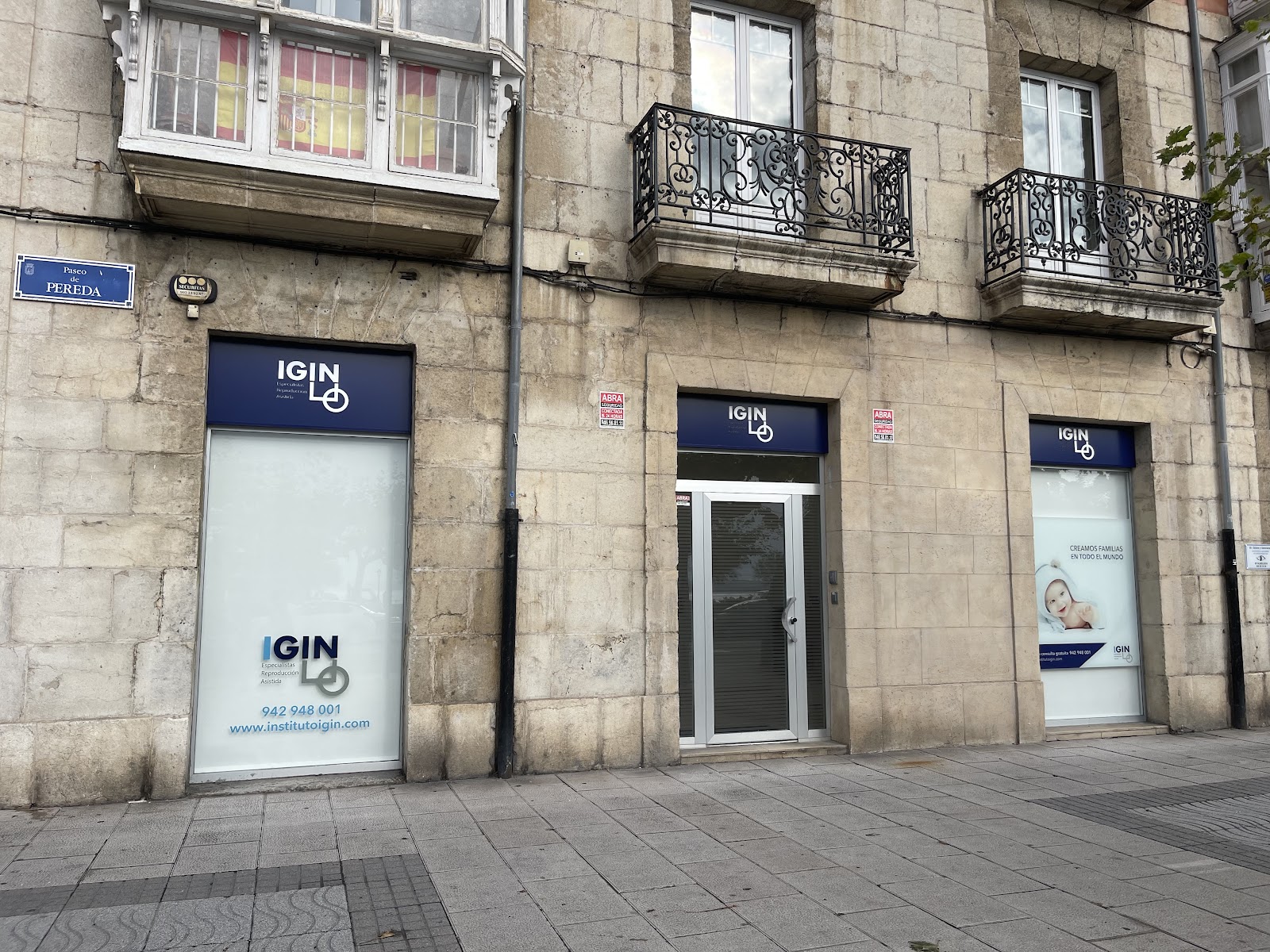
IGIN is a fertility and assisted‑reproduction clinic based in Spain with modern centres in Bilbao, Salamanca, Santander, Vitoria and Donostia and upcoming sites in Madrid and Pamplona, specializing in IVF‑ICSI, egg donation, pre‑implantation genetic diagnosis and fertility preservation; it offers a free comprehensive medical assessment that includes a private reproductive consultation, gynecological ultrasound, follicular evaluation and diagnostic analysis, as well as full‑cycle IVF, ICSI, egg‑donation programmes, PGD, egg‑freezing and personalized treatment plans with all advanced techniques included at a transparent closed price. The clinic highlights an above‑average success profile audited by the Spanish Fertility Society, reporting 88 % pregnancy rates for egg donation, 79 % for IVF‑ICSI and 86 % for PGD, and emphasizes rapid, individualized care supported by a multidisciplinary team of gynecologists, embryologists, nurses and patient‑care specialists who provide prompt responses, emotional‑well‑being support and financing options. IGEN’s state‑of‑the‑art laboratories, operating rooms and consultation spaces, together with its international reach—over 20 000 women from 110 countries—underscore a commitment to cutting‑edge technology, transparent budgeting and a human‑centred approach that ensures each patient receives dedicated attention, free consultations and continuous support throughout the journey to parenthood.
IVI Girona – Clínica de Reproducción Asistida
IVI Girona is a premier assisted reproduction clinic located in Girona, Spain, offering comprehensive fertility treatments and diagnostic services. Established in 2017 as part of the globally recognized IVI group, the clinic prides itself on its advanced medical technologies and a skilled team of specialists. With over 30 years of experience, IVI Girona is dedicated to helping patients achieve their dream of parenthood through personalized assistance in a warm and supportive environment. The clinic offers a wide range of treatments, including In Vitro Fertilization (IVF), Artificial Insemination (IA), oocyte donation, and various genetic testing services. Notably, they maintain impressive success rates, reportedly achieving results up to 25% higher than the industry average. Patients here benefit from a thorough diagnostic package, emotional support, and sophisticated techniques like ICSI and embryo vitrification, ensuring a tailored approach for all fertility challenges. IVI Girona's commitment extends beyond treatment, fostering a community through online seminars and informative resources to empower couples on their journey to parenthood.
Next Fertility Burgos – Clínica de Reproducción Asistida y Fertilidad
Next Fertility is an assisted‑reproduction clinic located in Spain, with flagship centres in Sevilla and additional sites across the country, specializing in helping individuals and couples realize their dream of parenthood through a comprehensive range of fertility treatments; the clinic’s main focus is on personalized, ethically grounded assisted‑reproductive technologies such as Inseminación Artificial, Fertilización In Vitro, ovodonación and the ROPA method, complemented by genetic testing, psychological counselling and multilingual patient support (Spanish, English, Italian, Dutch and French). Drawing on more than two decades of experience and a collaborative network of professionals from over nine countries, Next Fertility offers transparent, all‑inclusive pricing, interest‑free financing up to 36 months and a free first‑visit consultation, while emphasizing honesty, transparency and close, empathetic communication. The multidisciplinary team of doctors, embryologists, nurses, and administrative staff works together to apply the latest technologies for improved clinical outcomes, and the clinic highlights its commitment to ethical responsibility by avoiding unrealistic promises and focusing on realistic success possibilities; patient‑centred care is reinforced by continuous emotional support, clear information at every step and a strong track record of satisfied families shared through numerous testimonials.
Clínica Ginefiv Barcelona
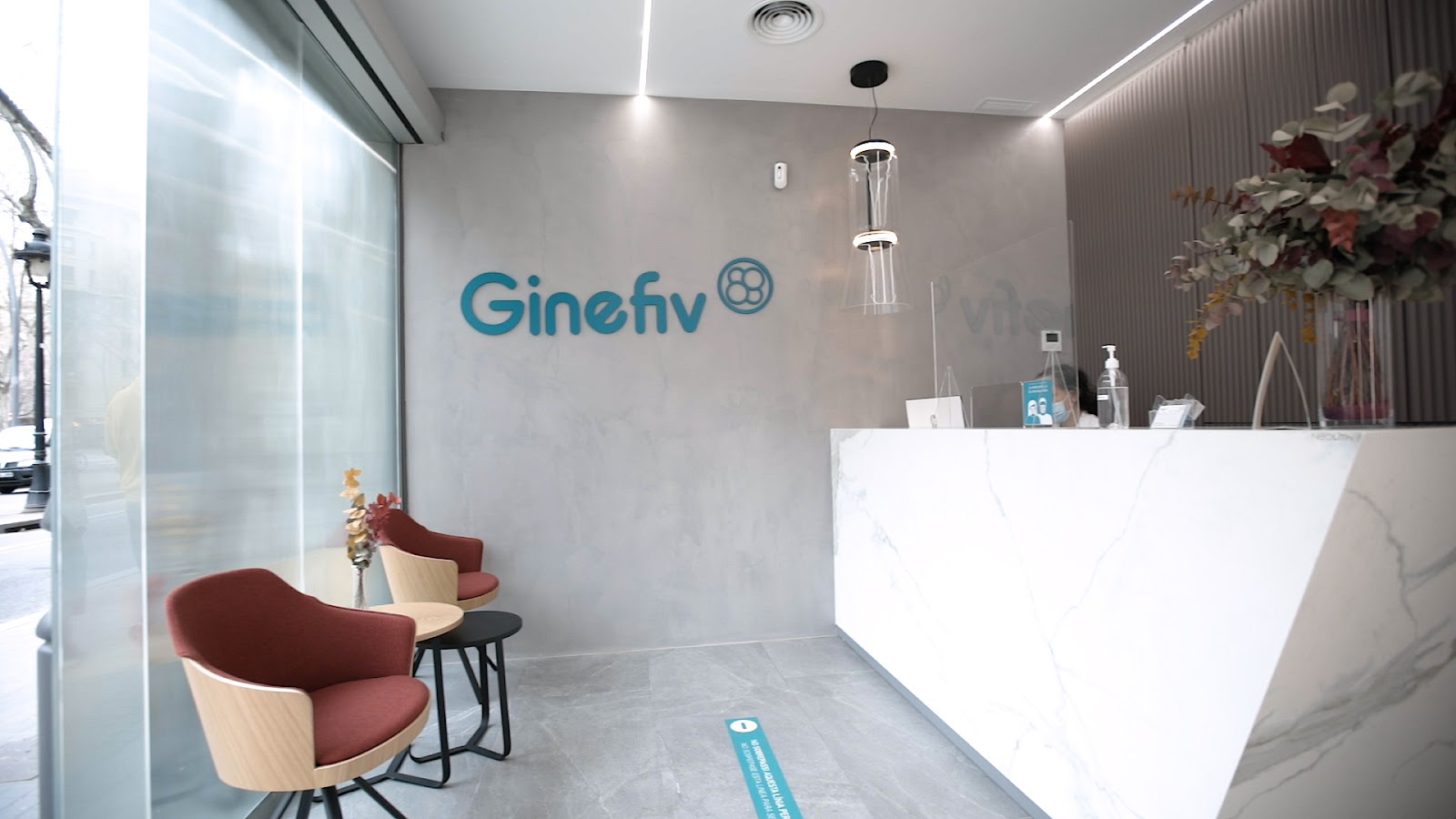
Ginefiv is a leading assisted reproduction clinic in Spain, with over 35 years of experience specializing in techniques such as artificial insemination and in vitro fertilization (IVF). With locations in Madrid, Barcelona, and surrounding areas, the clinic is committed to providing advanced medical care using the latest technologies in reproductive medicine. Ginefiv offers a range of services, including egg donation, fertility preservation, and specialized units for complex fertility issues, ensuring personalized treatment plans for each patient. Their high success rates and a comprehensive approach to fertility care, including psychological support and financing options, make Ginefiv a trusted choice for couples seeking to fulfill their dreams of parenthood.
Love Fertility Clinic
Love Fertility Clinic, based in Madrid, offers a comprehensive range of fertility treatments and support for individuals and couples aspiring to become parents. Their services include assisted reproductive techniques such as artificial insemination, IVF, and egg donation, alongside fertility preservation options like egg vitrification and sperm cryopreservation. The clinic is known for its patient-centered approach, providing personalized treatment plans tailored to the unique needs and preferences of each client. Love Fertility also emphasizes emotional support, offering psychological counseling to help navigate the challenging journey of family planning. With a team of experienced professionals and cutting-edge technologies, the clinic aims to create a warm and welcoming environment for all patients. They also provide financial assistance options to ensure that treatment affordability is not a barrier to fulfilling dreams of parenthood. The clinic encourages potential patients to start with a quick fertility test to explore their options further.
IVI Valencia – Clínica de Fertilidad y Reproducción Asistida
IVI Valencia is a leading assisted reproduction and fertility clinic with over 30 years of experience, offering a range of personalized treatments including In Vitro Fertilization (IVF), Artificial Insemination, and Ovodonation. The clinic is known for its high success rates—up to 25% better than the sector average—due to its commitment to excellence, innovation, and patient-centered care. IVI Valencia employs advanced techniques such as ICSI (Intracytoplasmic Sperm Injection) and Preimplantation Genetic Testing (PGT) to enhance reproductive outcomes. The clinic's dedicated team, led by renowned specialists, ensures comprehensive support throughout the fertility journey, including psychological assistance and tailored financial plans. IVI Valencia not only focuses on medical expertise but also on nurturing the emotional well-being of its patients, making it a trusted choice for couples seeking to fulfill their dreams of parenthood.
EMBRIOGYN
Embriogyn is an assisted‑reproduction clinic located in Catalonia with three centres in Tarragona (c/ Estanislau Figueres 8), El Vendrell (Policlínica Comarcal del Vendrell, Av. Santa Oliva 1‑11) and Tortosa (Av. de Catalunya 26), specializing in comprehensive fertility solutions for couples and individuals seeking to become parents. The clinic offers the full spectrum of treatments—including artificial insemination, in‑vitro fertilisation (IVF), IVF with donor oocytes, IVF with pre‑implantation genetic testing, the ROPA method, embryo adoption, egg vitrification and ovulation induction—delivered through a patient‑centred, positive‑care approach by a multidisciplinary team of reproductive specialists, embryologists and nursing staff. Embriogyn distinguishes itself by pioneering cutting‑edge technologies such as the Embryoscope time‑lapse incubator, advanced vitrification protocols, the Witness traceability system for gametes and embryos, and comprehensive genetic diagnostics, which contribute to its reported success rates of 95 % of treated patients achieving parenthood, over 97 % rating the clinic’s innovation highly, and 93.3 % describing their experience as excellent. Additional patient‑support services include a free first consultation, complimentary five‑year storage for frozen oocytes, multilingual helplines, personalised counselling and streamlined appointment scheduling to ensure a supportive journey from the first contact to successful pregnancy.
Popular Destinations in Spain
Explore popular cities and regions in Spain.

Frequently Asked Questions
Everything you need to know about fertility treatment in Spain.
How does IVF work in Spain?
expand_more
IVF treatment in Spain involves several key steps, including ovarian stimulation, egg collection, fertilization, and embryo transfer, and is known for its advanced medical technology and liberal legal framework.
A typical cycle begins with a consultation to develop a personalized treatment plan, followed by hormone injections for 10-12 days to stimulate egg production, monitored through scans and blood tests. Patients then travel to Spain for egg retrieval under sedation, after which eggs are fertilized with sperm in a laboratory and embryos are cultured for 3-6 days. The final stages involve embryo transfer, and approximately two weeks later, a pregnancy test is performed.
For international patients, Spanish IVF treatments are designed to minimize travel, usually requiring only two visits to the clinic: one for egg and sperm retrieval, and potentially a second for a frozen embryo transfer if that is the chosen approach.
Is egg donation legal in Spain?
expand_more
Egg donation is legal and well-regulated in Spain, governed by Law 14/2006 on assisted human reproduction techniques.
This legal framework ensures egg donation is a voluntary, altruistic, anonymous, and confidential procedure, with regulation dating back to 1988. Recipients of donated eggs are granted full legal parenthood, while donors have no legal rights or responsibilities regarding the child. Donors must be between 18 and 35 years old and in good physical and mental health, undergoing comprehensive medical, psychological, and genetic screenings.
The law prioritizes the health and confidentiality of both donors and recipients, and while the legal age limit for donors is 35, many clinics prefer donors under 30 to ensure higher egg quality, and some may have internal limits, such as 33 years old. Egg donation in Spain is fundamentally altruistic and non-profit.
Why choose Spain for IVF?
expand_more
Spain is a leading destination for IVF treatment because of its favorable legal environment, high standards of medical care, impressive success rates, and access to a large donor pool.
The country’s advanced fertility sector provides significant value, with IVF costs ranging from €4,300 to €6,000 with own eggs and €5,900 to €9,500 with donor eggs, often lower than in the UK or the US. Spanish law is inclusive, allowing treatment for single women, heterosexual couples, and same-sex female couples, and permits legal and anonymous gamete and embryo donation, governed by the comprehensive Law 14/2006.
Spain is recognized for patient-centered care and exceptional success rates, often aligning with European guidelines from organizations like ESHRE; women under 35 may experience 50-60% success rates per transfer with own eggs, while donor egg cycles frequently achieve 60-70% pregnancy rates per transfer, with cumulative rates exceeding 90% after multiple attempts. A vast and diverse donor pool, including various ethnicities, also contributes to shorter waiting times.
Is embryo donation legal in Spain?
expand_more
Embryo donation is legal in Spain and is regulated by Law 14/2006 on human assisted reproduction techniques.
This law stipulates that embryo donation must be an anonymous, voluntary, and altruistic act, requiring informed consent from both donors and recipients. Donors’ identities are protected, but recipients can access non-identifying information about them, such as age, physical characteristics, and blood type.
Any woman over 18 who is legally capable can receive donated embryos, irrespective of marital status or sexual orientation, including single women, heterosexual married couples, and same-sex female couples. While there isn’t a strict legal age limit, treatment for women over 50 is generally considered ethically questionable, though some clinics may assess individual cases up to age 50-52.
Can you choose gender with IVF in Spain?
expand_more
Gender selection for non-medical reasons is prohibited in Spain and considered a serious offense according to Law 14/2006.
While Preimplantation Genetic Diagnosis (PGD) or Preimplantation Genetic Testing (PGT) is permitted in Spain, it is primarily authorized to prevent genetic diseases in a future child and cannot be used for personal reasons like selecting the sex of the embryo.
An exception exists when there is a risk of transmitting a sex-linked genetic disease, such as Fragile X Syndrome or hemophilia, allowing for PGD to identify and select embryos free from the condition, irrespective of sex.
Is reciprocal IVF (ROPA) allowed in Spain?
expand_more
Reciprocal IVF (ROPA) is legally permitted in Spain, but only for married same-sex female couples.
This method is specifically designed to allow both partners to be recognized as mothers of the child from birth, and the law requires legal marriage to access this treatment, avoiding the need for adoption for the non-gestational mother. Both partners’ names will be recorded on the birth certificate, and the sperm donor remains anonymous, in accordance with Spanish law.
To be eligible for ROPA treatment, both partners must undergo medical evaluations to assess their suitability, with the genetic mother needing a good ovarian reserve and the gestational mother requiring a healthy uterus and adequate response to hormonal treatment. Many fertility clinics in cities like Madrid, Barcelona, and Alicante offer this treatment, typically completed within 4 to 6 weeks.
What is the IVF success rate in Spain?
expand_more
IVF success rates in Spain vary depending on factors like age, egg source, and the specific clinic, but generally range from the mid-50% range for women under 35 using their own eggs to around 60-70% with donor eggs.
For women under 35, many Spanish clinics report clinical pregnancy rates around the mid-50% range per fresh transfer, with some achieving cumulative pregnancy rates as high as 89.3% after multiple transfers, and Institut Marquès reporting a 91.5% pregnancy rate per cycle. Success rates decline with age, falling to the teens or low twenties for women over 40, although one clinic reported a 33.3% positive pregnancy test rate for patients aged 40 and over with a cumulative rate of 64.7% after multiple transfers.
Using donor eggs significantly improves success rates, with many centers reporting pregnancy rates around 60% to 70% per transfer, and the ESHRE-EIM Report indicating an average success rate of about 56.8% for IVF with donor eggs in Spain, which is not affected by the patient’s age.
What is the age limit for IVF in Spain?
expand_more
Spain does not have a strict legal age limit for IVF, but both legal and clinical factors influence treatment availability and recommendations.
While there’s no overarching legal maximum age, treatments must not pose significant health risks to the woman or potential child. The Spanish Fertility Society and most clinics advise against using a woman’s own eggs after age 43 due to declining success rates, and donor eggs are generally recommended for women over 50. Public funding for IVF is typically limited to women up to age 40, with some regions extending this to 45, and artificial insemination is usually funded up to age 38.
Most private clinics in Spain recommend an upper age limit of 50 for IVF, though some may extend this to 52 or even 55 with thorough medical screening to ensure the patient is healthy enough for pregnancy.
Is surrogacy legal in Spain?
expand_more
Surrogacy is illegal in Spain, covering both altruistic and commercial agreements.
Spanish law, specifically Article 10 of Law 14/2006 on Assisted Human Reproduction Methods, deems all surrogacy contracts null and void, regardless of whether payment is involved, based on the belief that it compromises human dignity and treats both the woman’s body and the child as commodities.
For Spanish citizens who pursue surrogacy internationally, establishing legal parentage in Spain is increasingly difficult; direct registration of children born through international surrogacy is prohibited as of April 2025, and individuals must demonstrate a biological connection or pursue adoption to establish parentage, while Spanish embassies and consulates are banned from registering these births as of May 2025.
How much does IVF cost in Spain?
expand_more
The cost of IVF treatment in Spain varies depending on the procedures and services needed, but a standard IVF cycle using one’s own eggs typically ranges from €3,500 to €7,000.
More specifically, prices can fall between €4,300 and €6,000 or €3,600 to €6,700, though some sources indicate a range of €2,500 to €4,500 for an average cycle, with additional procedures increasing the overall cost. IVF cycles with egg donation are generally more expensive, ranging from €5,900 to €9,500, and medication for a full stimulation cycle typically adds between €1,000 and €2,000 to the clinic fees.
Additional procedures like ICSI is often included in standard packages, while Preimplantation Genetic Testing (PGT) can range from €1,000 to €2,000. Embryo freezing typically costs between €500 and €1,500, and assisted hatching can cost between €500 and €1,000. Many clinics offer packages that bundle multiple cycles or services, ranging from approximately €3,000 to over €17,000.
Can lesbians do IVF in Spain?
expand_more
Yes, lesbian couples can access IVF in Spain, as the country has a progressive legal framework regarding assisted reproduction techniques.
Spanish law permits all women, regardless of marital status or sexual orientation, to utilize these treatments, ensuring lesbian couples have the same rights as heterosexual couples. Access to donor sperm is available, and the ROPA method allows both partners to be involved – one providing the eggs and the other carrying the pregnancy – though this requires legal marriage or registered partnership for full parental recognition since 2007.
The ROPA method enables both women to have a biological connection to the child, with one as the genetic mother and the other as the birth mother, and recent legislation may offer some flexibility regarding marriage requirements for child registration in certain cases.
Can gay couples do IVF in Spain?
expand_more
Yes, gay couples can pursue IVF in Spain, with different options available depending on whether the couple is comprised of two women or two men.
Spain has a progressive legal framework for assisted reproduction, making it a popular destination for LGBTQ+ individuals and couples hoping to start a family. Lesbian couples can utilize reciprocal IVF, standard IVF with donor sperm, or egg and embryo donation, and single women, lesbians, bisexuals, and transgender individuals now have access to IVF through the public healthcare system. Gay male couples primarily pursue surrogacy arrangements in countries where it is legal, as surrogacy contracts are not legally enforceable within Spain, though it is not prohibited for Spanish citizens to seek surrogacy abroad.
In 2022, over 22,000 donor egg cycles were performed in Spain, demonstrating the high demand and availability of this option. The Spanish constitution protects the LGBTQ+ community from discrimination, and there are ongoing discussions regarding the potential regulation of surrogacy within the country.
Is sperm donation legal in Spain?
expand_more
Sperm donation is legal in Spain and is regulated by Law 14/2006 on Assisted Human Reproduction Techniques.
The process is a voluntary, formal, and confidential act between the donor and an authorized assisted reproduction center, and it must be altruistic, meaning it cannot be for profit. Donation is anonymous by law, though the donor’s identity may be disclosed in exceptional circumstances involving danger to a child’s life or health. Children conceived through sperm donation have the right to non-identifying information about the donor.
Donors in Spain must be between 18 and 35 years old, in good health, and undergo comprehensive medical, genetic, and psychological screenings, including tests for infectious diseases. While sperm donation is not paid, donors can receive compensation for expenses like travel and discomfort, but this cannot be an economic incentive. A national registry, SIRHA, tracks donations to ensure a single donor does not result in more than six children in Spain.
IVF in Spain: Exploring the Benefits and Options
IVF treatment in Spain has become increasingly popular in recent years, thanks to the high success rates and affordable prices offered by clinics throughout the country. But what exactly makes IVF in Spain so special? In this article, we'll explore the benefits of IVF in Spain, the cost and options available, and what to expect from the treatment process.
High Success Rates of IVF Clinics in Spain
One of the biggest draws of IVF in Spain is the high success rates of clinics throughout the country. According to data from the Spanish Society of Reproductive Medicine, the success rate for IVF in Spain is around 42%, which is comparable to other European countries and higher than many clinics in the United States.
Cost-Effective IVF Treatment in Spain
Another benefit of IVF in Spain is the cost. On average, IVF treatment in Spain costs around €4,000 to €5,000, which is significantly less than the cost of treatment in many other countries. Additionally, many clinics offer financing options and package deals to make IVF more affordable for patients.
The IVF Treatment Process in Spain
When it comes to the IVF treatment process itself, patients can expect a similar experience to what they would receive in other countries. The process typically starts with a consultation with a fertility specialist, followed by a series of tests and procedures, such as egg retrieval and fertilization. In Spain, there are also options like ICSI (intracytoplasmic sperm injection) and egg donation available.
Legal and Ethical Considerations for IVF in Spain
One thing to keep in mind when considering IVF in Spain is the legal and ethical considerations. Spain has some of the most liberal laws on assisted reproduction in Europe, but it's important to make sure you understand the laws and regulations before beginning treatment.
Reputation of IVF Clinics in Spain
When looking for a clinic in Spain, it's important to research the reputation and success rates of different clinics. Some of the top IVF clinics in Spain include Instituto Bernabeu, IVI, and Ginemed.
IVF Options for LGBTQ+ Individuals in Spain
Another important consideration for some patients is the options available for LGBTQ+ individuals. Many clinics in Spain offer IVF treatment options for same-sex couples and individuals.
Preparing for IVF Treatment in Spain
Preparing for IVF in Spain can also be a bit different than in other countries. Patients will need to factor in the cost of travel and accommodations, and may also need to plan for an extended stay in the country. Additionally, it's important to research the emotional and psychological support available during the treatment process.