Phoenix Art Clinic
Tokyo, Japan



About Phoenix Art Clinic
Phoenix Art Clinic is a reproductive medicine clinic located in Shibuya‑ku, Tokyo (3‑12‑18 Sendagaya, near Kita‑Sando Station), specializing in comprehensive infertility treatment that guides patients from egg freezing through pregnancy to delivery; the clinic offers personalized counseling, timing‑method cycles, artificial insemination (IUI), in‑vitro fertilization (IVF), intracytoplasmic sperm injection (ICSI), embryo culture, embryo and egg cryopreservation, male infertility services, hormone‑replacement protocols, PGT‑A and other advanced ART procedures, all supported by insurance billing and municipal grant assistance. With a team of twelve obstetric‑gynecologists, reproductive specialists, embryologists and a close partnership with Phoenix Medical Clinic, the center provides seamless, multidisciplinary care—including prenatal check‑ups, medication management and delivery planning—ensuring continuity from conception to birth. Notably, the clinic reports a per‑embryo‑transfer pregnancy rate of approximately 66.9 % (about 20.4 % higher than the national average) and has achieved successful births up to age 47. Unique features include English‑speaking physicians, same‑day walk‑in for first visits, flexible same‑day appointments for busy patients, a dedicated male‑only clinic, on‑site assistance with grant applications and financial counseling, and a patient‑centered approach that emphasizes “the shortest, most satisfactory path” to pregnancy while minimizing physical, emotional and economic burdens.
Why choose Phoenix Art Clinic?
-
check_circle
Expert Medical Team
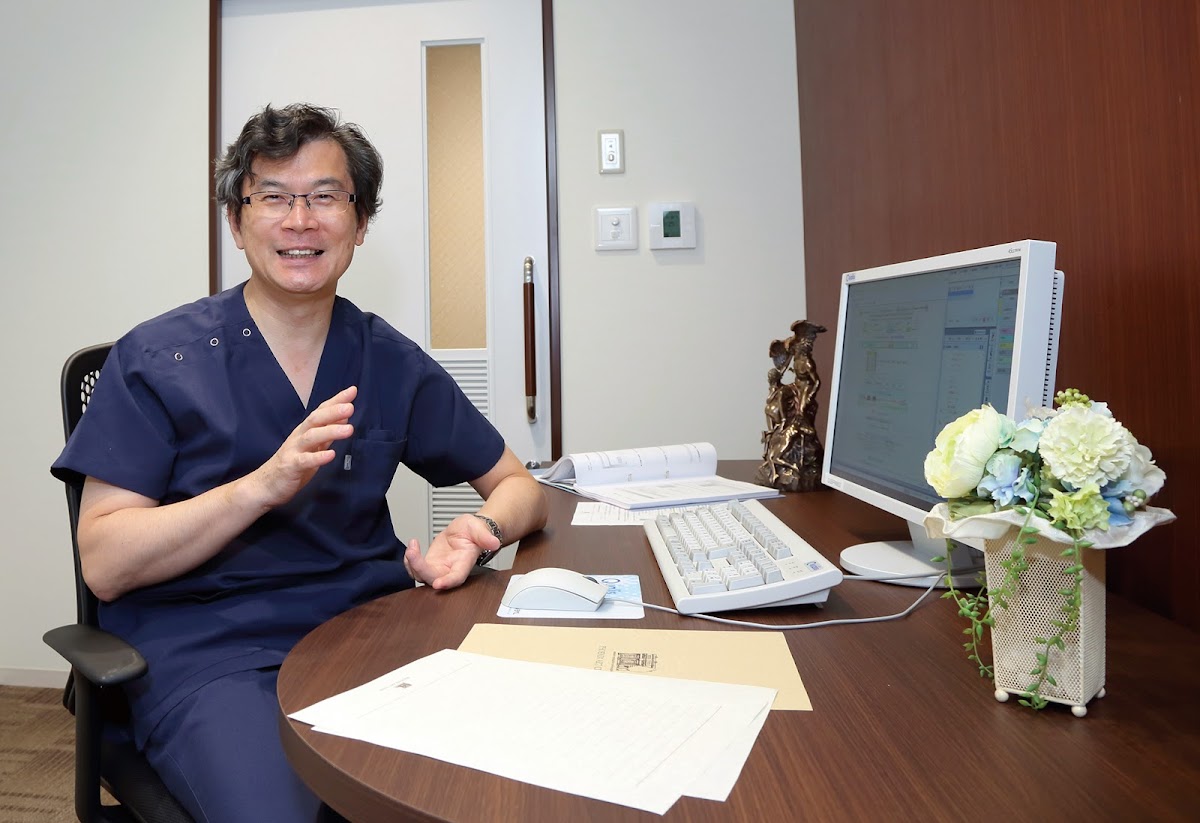
Dr. Fujiwara and Dr. Kanaya deliver clear explanations, personalized protocols, and precise diagnostics that often lead to pregnancy after a single cycle. Their ability to identify hidden factors such as varicocele or endometriosis improves treatment outcomes.
-
check_circle
Compassionate Staff Support
Nurses and laboratory technicians provide thorough counseling, prompt follow‑up after procedures, and emotional encouragement, creating a reassuring atmosphere throughout egg retrieval, transfer, and post‑procedure care.
-
check_circle
Efficient Treatment Timeline
The clinic’s policy of minimizing treatment duration enables many patients to achieve pregnancy within three to four months, often after just one egg retrieval and embryo transfer.
-
check_circle
Comfortable Facilities
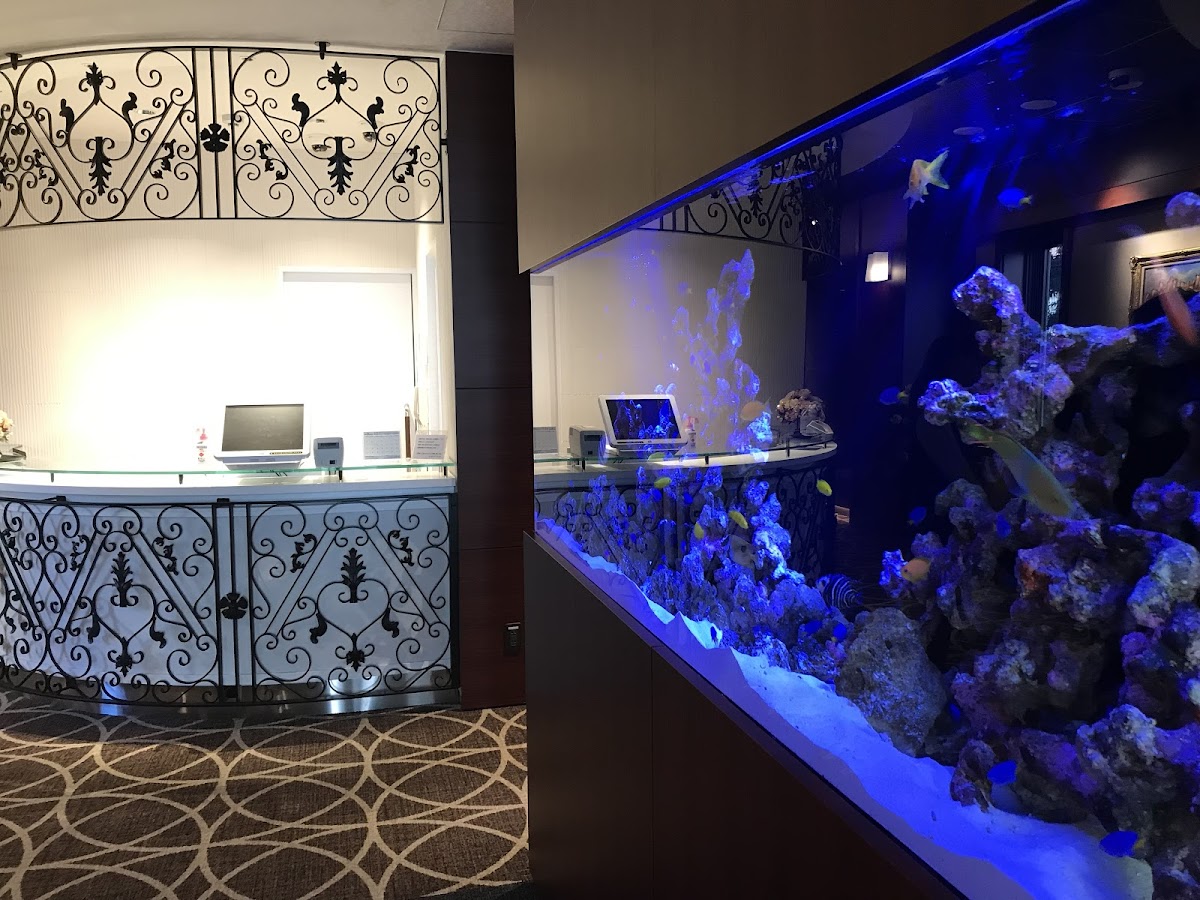
Private waiting rooms with partitioned sofas, clean interiors, Wi‑Fi access, and an easy‑to‑use scheduling app reduce stress and allow patients to work or relax while waiting.
-
check_circle
Multilingual Resources
English medication booklets and staff members who have studied abroad ensure that non‑Japanese speakers receive accurate information and feel confident about each step of the process.
What to watch out for at Phoenix Art Clinic?
-
warning
Long Waiting Times
Patients often wait two to three hours for appointments, and the clinic experiences high patient volume, which can extend overall visit durations.
-
warning
High Out‑of‑Pocket Costs
Treatment fees and annual storage charges for frozen embryos are higher than many comparable clinics, and cost explanations are sometimes insufficient before procedures begin.
-
warning
Communication Gaps
Occasional inconsistencies in test scheduling instructions, weak cellular signal within the building, and delayed email responses create inconvenience for patients needing timely information.
-
warning
Limited Clinic Days
Closed days and a restricted schedule for certain doctors can make it difficult for working patients to align treatment with their personal calendars.
-
warning
Anesthesia Procedure Issue
A reported incident of uterine anesthesia being administered after intravenous anesthesia caused severe discomfort during egg retrieval, highlighting a need for clearer anesthesia protocols.
Phoenix Art Clinic - Patient Reviews
4.6
ぴ*****
1 month ago
E*****
1 month ago
S H *****
2 months ago
A*****
2 months ago
Chlo*****
2 months ago
Phoenix Art Clinic - FAQ
smart_toy AI-generated based on information from the clinic's website
Who are the fertility doctors and specialists at フェニックスアートクリニック? expand_more
What are the IVF success rates at フェニックスアートクリニック? expand_more
What fertility treatments and services does フェニックスアートクリニック offer? expand_more
What IVF laboratory technology does フェニックスアートクリニック use? expand_more
Contact
- Monday: 9:00 AM – 12:30 PM, 2:30 – 6:00 PM
- Tuesday: 12:30 – 1:30 PM, 2:30 – 8:00 PM
- Wednesday: Closed
- Thursday: 12:30 – 1:30 PM, 2:30 – 6:00 PM
- Friday: 9:00 AM – 12:30 PM, 2:30 – 6:00 PM
- Saturday: 9:00 AM – 12:30 PM, 2:30 – 6:00 PM
- Sunday: Closed
More Fertility Clinics in Tokyo
Explore other highly-rated fertility clinics in this area
Age Infertility Center Nakamachi Acupuncture Orthopedic Clinic
Tokyo Kōrei Fertility Center Nakachō Acupuncture & Osteopathic Clinic is a fertility‑focused clinic located in Tokyo, Japan, specializing in integrative acupuncture and osteopathic treatments to improve maternal health and enhance natural conception. The clinic offers a comprehensive suite of services including infertility acupuncture, fertility‑oriented osteopathic pelvic adjustment, postpartum pelvic care, breech correction with moxibustion, cosmetic acupuncture, targeted FSH‑lowering protocols, hidden‑iron‑deficiency support, and coordinated care alongside IVF cycles such as egg retrieval and embryo transfer. Unique features include a weekly treatment schedule timed to ovulation, implantation and luteal phases, ultra‑thin needles that minimize discomfort, and evidence‑based success rates showing 60 % pregnancy after four months of weekly sessions and 80 % after six months—figures that surpass typical IVF success rates for comparable age groups. A multidisciplinary team of experienced acupuncturists, osteopathic specialists and fertility counselors adopts a holistic, stress‑free approach, providing personalized counseling, nutritional guidance, and postpartum support. Patient‑centered services such as initial‑visit discounted packages, online booking, and ongoing emotional support ensure accessible, compassionate care throughout the fertility journey.
はなおかIVFクリニック品川
Hanaoka IVF Clinic Shinagawa is a fertility and assisted reproductive technology (ART) clinic located in Shinagawa-ku, Tokyo (Gate City Osaki East Tower 1F, 1‑11‑2 Osaki), specializing in individualized in‑vitro fertilisation (IVF) and related treatments; the centre offers a full spectrum of services including standard IVF, ICSI, embryo culture and freezing, egg‑cryopreservation, PRP therapy, pre‑implantation genetic testing (PGT‑A), ERA/EMMA/ALICE endometrial receptivity testing, time‑lapse incubators, PICSI, sperm‑separation technology, and a dedicated male infertility clinic staffed by a urologist‑reproductive specialist. The clinic distinguishes itself with a pregnancy rate reported to be more than 20 % above the national average, cycle‑by‑cycle treatment planning, highly trained embryologists who undergo daily certification, a double‑check “RI‑Witness” system to prevent gamete/embryo mix‑ups, and an emergency power backup to protect frozen gametes. Led by Director Dr Kana Hanaoka, the multidisciplinary team of physicians, embryologists, nurses and an orthomolecular nutrition counsellor provides evidence‑based care, continuous education, and personalized nutritional guidance. Patient support includes free AMH screening, LINE‑based free consultations, flexible appointment hours, online booking, comprehensive infection‑control measures, and dedicated counselling for emotional and logistical needs, ensuring a safe, supportive pathway toward parenthood.
Fertility Clinic Tokyo
Fertility Clinic Tokyo enjoys a strong reputation for delivering successful outcomes across a wide range of infertility challenges, including low AMH, PCOS, advanced maternal age, and severe male factor. The clinic emphasizes individualized treatment plans, offering options from natural cycles to IVF and advanced techniques such as IMSI and PGTA. Patients consistently note thorough explanations, multilingual support, and a clean, comfortable environment equipped with Wi‑Fi and workstations. Skilled embryologists and cultivators contribute to high fertilization and blastocyst quality, while staff provide clear guidance on government subsidies. However, the rotating physician model can lead to variability in bedside manner, and some visitors report long waiting periods and occasional rudeness from specific doctors. Administrative hiccups, such as delayed pregnancy confirmation and occasional reception staff issues, also surface. Overall, the clinic is recommended for those seeking effective, well‑explained fertility treatment, especially if they value a modern facility and comprehensive support, while being prepared for potential wait times and doctor turnover.