What is the maximum age for IVF treatment at Waterstone Clinic? expand_more
Waterstone Clinic does not impose a strict upper age limit for IVF, but it provides transparent success data by age group. Live‑birth rates decline after age 42, with a 20% rate for patients over 42, indicating reduced but still possible outcomes. For HSE‑funded IVF, the eligibility age range is 18‑40, while private patients can be treated beyond this range, with individualized counselling on realistic expectations and alternative options such as egg donation.
Does Waterstone Clinic provide fertility treatment for same-sex couples? expand_more
Waterstone Clinic is inclusive of LGBTQ+ families and offers fertility solutions for same‑sex couples. Female couples can pursue Shared Motherhood (Reciprocal IVF), where one partner provides eggs and the other carries the pregnancy. Male couples have access to donor sperm programmes for IUI, IVF or ICSI, and the clinic’s donor‑sperm team assists with donor selection and legal considerations. The clinic’s policies explicitly support same‑sex families throughout the treatment journey.
What are the IVF success rates at Waterstone Clinic? expand_more
Waterstone Clinic reports age‑stratified live‑birth rates for IVF/ICSI cycles based on complete egg collections, including fresh and frozen transfers. Patients aged 34 or younger achieve a 64% live‑birth rate, those 35‑37 years old see 61%, 38‑40 years old have 45%, 41‑42 years old reach 32%, and women over 42 experience a 20% rate. For blastocyst transfers specifically, a 34‑year‑old has a 64% chance of success, a 38‑year‑old 45%, and a 40‑year‑old 30%, reflecting data from cycles performed in 2022 with babies born in 2023. These outcomes underscore the clinic’s focus on laboratory excellence and experienced clinical care, positioning its success rates above average international benchmarks.
Does Waterstone Clinic offer egg donation for IVF treatment? expand_more
Yes, Waterstone Clinic runs Ireland’s longest‑running egg donation programme. Patients can access imported donor eggs from European banks or arrange patient‑sourced donors, with the clinic handling all coordination, genetic matching and embryo creation. The programme reports a live‑birth rate of over 65% per donor‑egg cycle, reflecting the clinic’s high‑quality laboratory processes and extensive experience in donor‑egg IVF.
What fertility treatments and services does Waterstone Clinic offer? expand_more
Waterstone Clinic provides a full spectrum of assisted reproduction options, including IVF, ICSI, intrauterine insemination (IUI), ovulation induction (OII), and surgical sperm retrieval (TESE, PESA, MicroTESE). The clinic offers comprehensive donation programmes—donor egg, donor sperm, and double donation—as well as Shared Motherhood (Reciprocal IVF) for same‑sex female couples. Additional services include pre‑implantation genetic testing (PGT‑A, PGT‑M, PGT‑SR), egg freezing, embryo freezing, sperm freezing, and fertility preservation. Patients also benefit from HSE‑funded treatment pathways, VHI‑approved insurance coverage, and personalised counselling throughout their journey.
Does Waterstone Clinic treat single women seeking fertility treatment? expand_more
Waterstone Clinic welcomes single women and provides dedicated pathways for solo motherhood. The clinic offers donor sperm programmes, IUI, IVF and ICSI using donor gametes, as well as egg‑freezing and fertility preservation options. Support includes a dedicated donor‑sperm team, counselling, and a comprehensive treatment plan tailored to the individual’s goals, ensuring single women receive the same high standard of care as couples.
What is the history and background of Waterstone Clinic? expand_more
Waterstone Clinic was established in 2002 by Dr John Waterstone, originally as Cork Fertility Centre, and has expanded to a national network with clinics in Dublin, Cork, Kildare, Limerick and Waterford. Over 20 years of operation, the clinic has facilitated the birth of more than 10,000 babies. It has achieved several Irish medical firsts, including the first embryo biopsy for pre‑implantation genetic diagnosis, the introduction of routine blastocyst culture, the pioneering use of open‑system vitrification for egg freezing, and the first MicroTESE service in Ireland. The clinic also serves as a training centre for the British Fertility Society.
What IVF laboratory technology does Waterstone Clinic use? expand_more
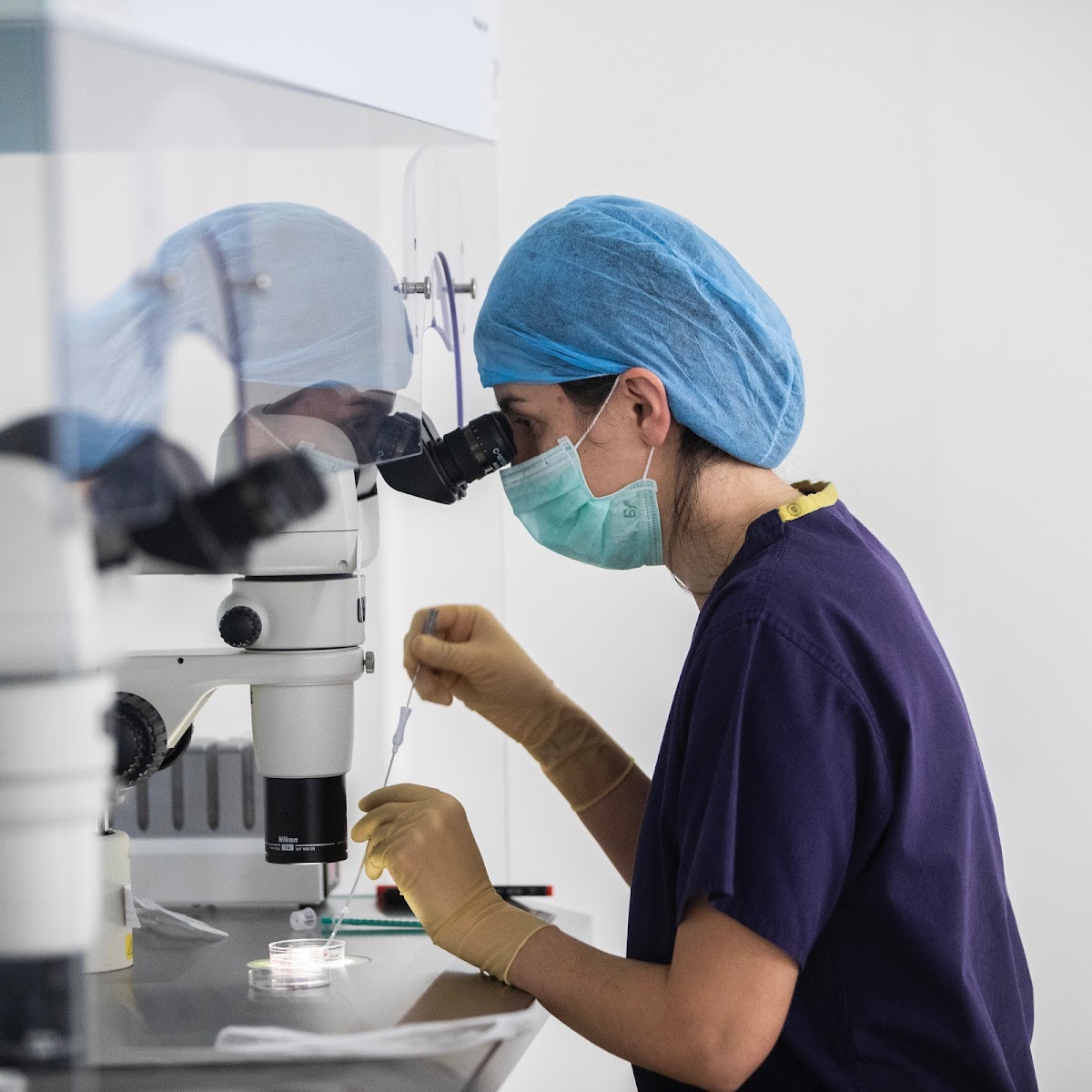
Waterstone Clinic’s IVF laboratory employs state‑of‑the‑art equipment and protocols. Embryos are cultured in an Embryoscope+ time‑lapse incubator, allowing continuous monitoring of development. The lab integrates the AI‑driven IDAscore 2.0 platform to assist embryologists in selecting embryos with the highest implantation potential. Cryopreservation utilizes open‑system vitrification, achieving a 98% survival rate for frozen embryos and over 90% survival for thawed donor eggs. These technologies, combined with rigorous quality audits, underpin the clinic’s high success rates and commitment to scientific excellence.
Who are the fertility doctors and specialists at Waterstone Clinic? expand_more
Waterstone Clinic’s medical team is led by Dr John Waterstone, MD, MSc, MRCOG, CCST, who serves as Medical Director and Consultant Gynaecologist and founded the clinic in 2002. The Dublin team is headed by Dr Eithne Lowe, a Consultant in Reproductive Medicine with over two decades of experience. The clinic also collaborates with Dr Ivor Cullen, a Consultant Urologist and Andrologist, who provides the pioneering MicroTESE service for male factor infertility. Together, these specialists, supported by a multidisciplinary team of fertility nurses, embryologists, and counsellors, deliver comprehensive assisted reproduction care across Ireland.