Does Reproductive Science Center offer egg donation for IVF treatment? expand_more
Yes, Reproductive Science Center provides a full egg‑donation program in partnership with Fairfax EggBank, a leading donor‑egg bank known for a 91% egg‑thaw survival rate and rigorous three‑generation medical screening. Patients receive complimentary six‑month storage, preferred pricing, and up to two free donor‑egg holds. The clinic’s IVF cycles using Fairfax donor eggs achieve a 67% pregnancy rate per transfer, delivering some of the highest success outcomes in the region. A dedicated Fairfax Client Relations Specialist guides each patient through donor selection, screening, and coordination of egg shipment to ensure a seamless treatment experience.
What IVF laboratory technology does Reproductive Science Center use? expand_more
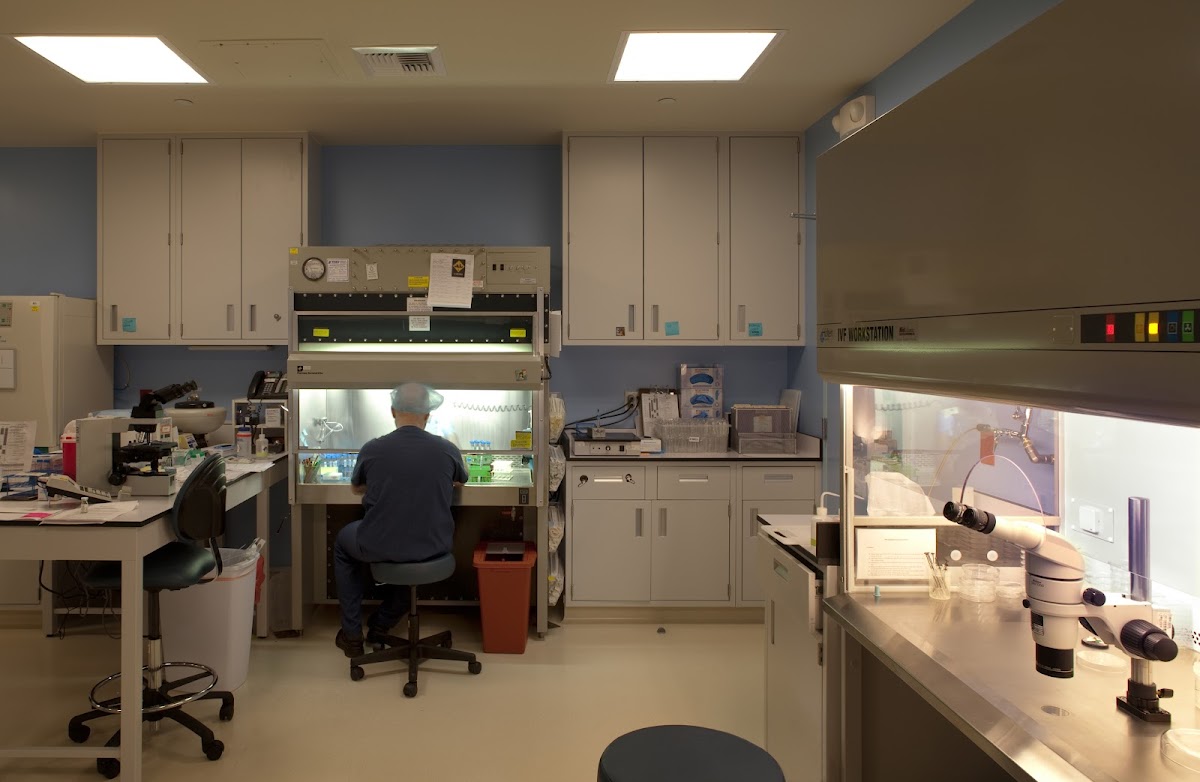
The IVF laboratory at Reproductive Science Center is CLIA‑certified and equipped with cutting‑edge technologies to optimize embryo development. The center employs the Hera System, an artificial‑intelligence platform that analyzes embryo morphology and time‑lapse imaging to identify the most viable embryos for transfer. Embryologists also use state‑of‑the‑art incubators with controlled temperature and gas environments, along with high‑resolution microscopes for precise ICSI procedures. All laboratory processes adhere to strict quality‑control standards, and the facility is regularly audited to maintain the highest levels of safety and efficacy in assisted reproduction.
Who are the fertility doctors and specialists at Reproductive Science Center? expand_more
Reproductive Science Center’s medical team includes eleven board‑certified reproductive endocrinologists and fertility specialists. At the San Ramon campus, the core physicians are Dr. Ravi Agarwal, MD (OB/GYN and REI), Dr. Laura Eisman, MD, Dr. Eduardo Hariton, MD, MBA (IVF Medical Director), Dr. Mary Hinckley, MD (IVF Medical Director), and Dr. Evan Rosenbluth, MD. Across the Bay Area, additional specialists such as Dr. Isiah Harris, MD, MSc, Dr. Michael Vance Homer, MD, Dr. Malinda Lee, MD, MBA, and Dr. Deborah Wachs, MD complement the team. All doctors hold certifications from the American Board of Obstetrics and Gynecology and are members of the Society for Reproductive Biology and ESHRE, providing a depth of expertise in IVF, ICSI, PGT, and third‑party reproduction.
What is the history and background of Reproductive Science Center? expand_more
Reproductive Science Center was founded in 1983, making it the oldest private fertility practice in the San Francisco Bay Area. The clinic pioneered several milestones, including the region’s first IVF conception, the nation’s second birth from a frozen embryo (Travis McCullar, 1986), and the first private IVF clinic west of the Mississippi. Over four decades, more than 12,000 babies have been born through its programs. The center holds certifications such as Centers of Excellence for AETNA and UnitedHealthcare, CAP accreditation, and CLIA certification, underscoring its long‑standing commitment to clinical excellence and innovative reproductive care.
Does Reproductive Science Center provide fertility treatment for same-sex couples? expand_more
Reproductive Science Center is committed to LGBTQIA+ inclusive care and offers a full range of fertility options for same‑sex couples. Lesbian couples can pursue intrauterine insemination (IUI), reciprocal IVF (where one partner provides the eggs and the other carries the pregnancy), and donor‑sperm programs. Gay male couples have access to gestational carrier surrogacy, donor‑egg IVF, and donor‑sperm services. The clinic’s protocols include ROPA (Reception of Oocytes from Partner) for female couples and coordinated care with experienced surrogacy agencies, ensuring that same‑sex families receive personalized, supportive, and medically advanced treatment.
What fertility treatments and services does Reproductive Science Center offer? expand_more
Reproductive Science Center provides a comprehensive suite of assisted reproduction services, including in‑vitro fertilization (IVF) with intracytoplasmic sperm injection (ICSI), preimplantation genetic testing (PGT‑A, PGT‑M, PGT‑SR), and elective single embryo transfer. The clinic also offers intrauterine insemination (IUI), ovulation induction, egg freezing, and fertility preservation for cancer patients. Third‑party reproduction is robust, featuring donor egg programs (partnered with Fairfax EggBank), donor sperm services (Fairfax Cryobank), embryo donation, and gestational carrier surrogacy coordinated with the Center for Surrogate Parenting. Additional offerings include integrative medicine, acupuncture, nutrition counseling, and comprehensive counseling for LGBTQIA+ families, single parents, and patients with recurrent pregnancy loss.
Does Reproductive Science Center treat single women seeking fertility treatment? expand_more
Reproductive Science Center explicitly welcomes single women who wish to build their families through assisted reproduction. The clinic offers tailored pathways such as IUI with donor sperm, IVF with own or donor eggs, and comprehensive counseling to address the unique emotional and logistical considerations of solo parenthood. Dedicated fertility specialists provide personalized treatment plans, and the center’s inclusive policies ensure that single patients receive the same high‑quality care, financial counseling, and support services as all other patients.
What are the IVF success rates at Reproductive Science Center? expand_more
Reproductive Science Center reports IVF outcomes that rank among the highest nationally, with donor egg cycles achieving a 67% pregnancy rate per embryo transfer and a 52% cumulative clinical pregnancy rate. The clinic’s own‑egg IVF cycles consistently exceed national averages for live‑birth rates, reflecting the expertise of its reproductive endocrinologists and the use of advanced laboratory protocols. Success data are audited annually and published in the Society for Assisted Reproductive Technology (SART) and CDC reports, ensuring transparent, third‑party verification. These figures illustrate the center’s commitment to delivering competitive, evidence‑based results for patients across all age groups.