What are the IVF success rates at Ovoclinic? expand_more
Ovoclinic reports a beta‑hCG pregnancy rate of 73 % per embryo transfer for conventional IVF cycles that use two blastocysts, with an average patient age of 36.8 years. For ovodonation cycles the clinic achieves an even higher beta‑hCG rate of 83 % when two blastocysts are transferred, and the average recipient age is 41.3 years. These figures are consistently above the national average and are supported by more than 20 years of clinical experience and a high‑quality laboratory environment. The success data are derived from the clinic’s own outcome monitoring system and are audited internally to ensure reliability.
Does Ovoclinic offer egg donation for IVF treatment? expand_more
Yes, Ovoclinic runs a dedicated ovodonation programme that uses anonymous donor oocytes. The clinic reports an 83 % beta‑hCG pregnancy rate for ovodonation cycles with two transferred blastocysts, and donor women are selected between 18 and 32 years of age after rigorous medical, psychological and genetic screening. Ovoclinic collaborates with Ovobank, Europe’s first large‑scale egg bank, to ensure a diverse donor pool and strict quality control. The programme also includes optional genetic compatibility testing to minimise the risk of inheriting recessive disorders.
Does Ovoclinic treat single women seeking fertility treatment? expand_more
Ovoclinic explicitly welcomes single women for assisted reproduction. The clinic offers intra‑uterine insemination (IUI) and IVF/ICSI using donor sperm, allowing women without a male partner to achieve pregnancy. Treatment protocols include hormonal ovarian stimulation, sperm selection (including the triple selection technique), and embryo transfer, all tailored to the individual’s medical profile. The centre’s patient‑care team provides dedicated counseling and support throughout the process, ensuring that solo mothers receive the same high‑quality care as couples.
Does Ovoclinic provide fertility treatment for same-sex couples? expand_more
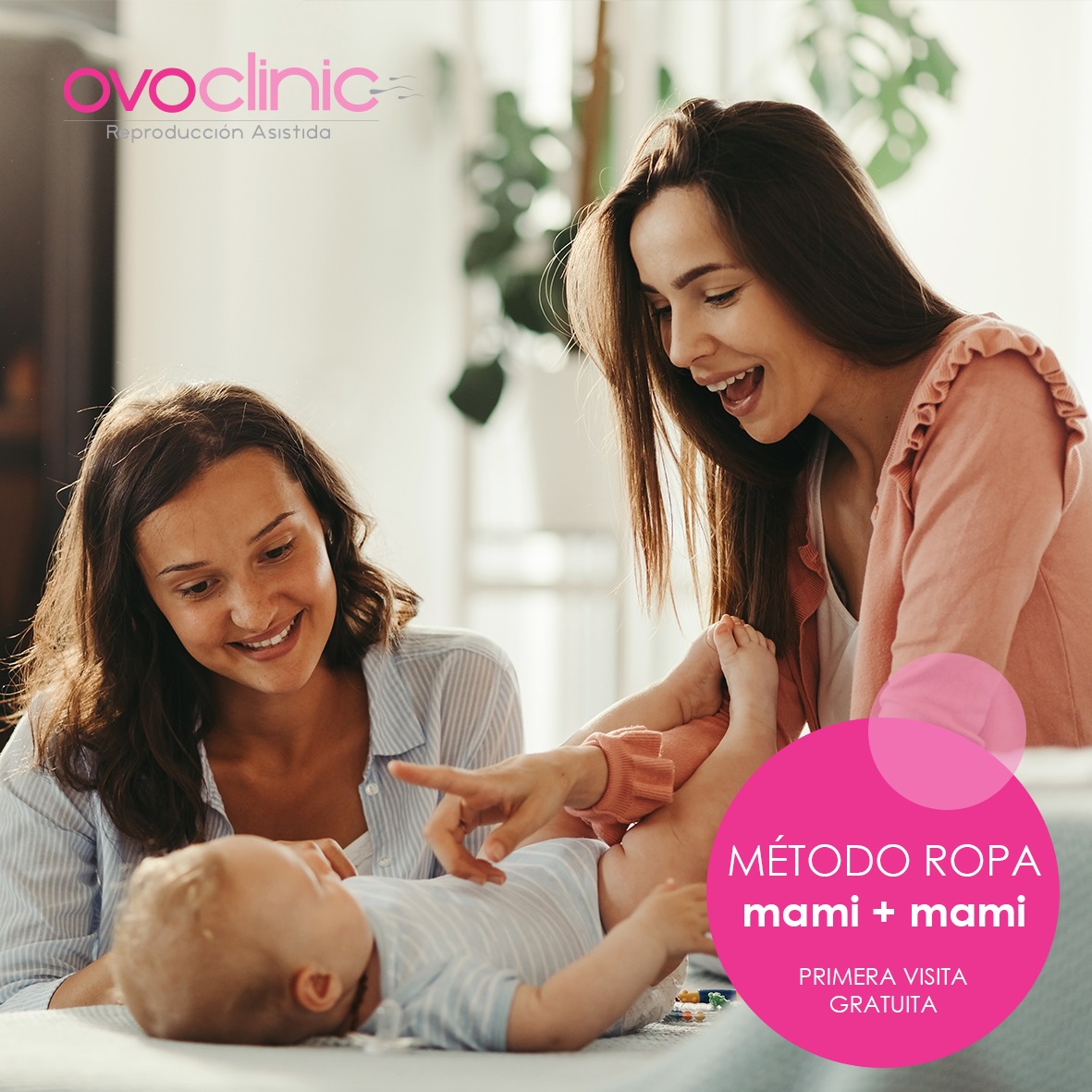
Yes, Ovoclinic supports same‑sex couples with specialised programmes. For female couples, the clinic offers the ROPA (Reception of Oocytes from Partner) method, a variation of IVF where one partner provides the oocytes and the other carries the pregnancy. Additionally, intra‑uterine insemination and IVF with donor sperm are available for lesbian couples, and the clinic’s inclusive policies extend to male couples seeking surrogacy coordination. Ovoclinic’s experienced team has successfully helped numerous same‑sex families achieve pregnancy using these tailored protocols.
What is the history and background of Ovoclinic? expand_more
Ovoclinic was founded more than two decades ago by a group of physicians with extensive training in Spain, Italy and the United States. Over its 20‑year history the network has expanded to four locations—Marbella, Madrid, Ceuta and Sevilla—serving thousands of patients and delivering success rates that exceed the national average. The clinic holds ISO 9001 quality certification and has received multiple national awards for clinical excellence. Its mission focuses on high‑standard assisted reproduction, continuous improvement, and personalized patient care, positioning Ovoclinic as a leading reference centre in Spain.
What fertility treatments and services does Ovoclinic offer? expand_more
Ovoclinic provides a comprehensive portfolio of assisted reproduction techniques, including conventional in‑vitro fertilisation (IVF), intracytoplasmic sperm injection (ICSI), intra‑uterine insemination (IUI), ovodonation, embryo donation (embriodonación), and the ROPA method for lesbian couples. Additional services comprise fertility preservation through oocyte vitrification, pre‑implantation genetic testing (PGT‑A, PGT‑M, PGT‑SR), triple sperm selection, time‑lapse embryo monitoring, assisted hatching with laser, and a 100 % guarantee programme that covers unlimited treatment attempts within 36 months. The clinic also offers comprehensive hormonal stimulation, embryo culture to blastocyst, and cryotransfer of vitrified embryos.
Who are the fertility doctors and specialists at Ovoclinic? expand_more
The medical leadership at Ovoclinic includes Enrique Criado, a senior embryologist who also serves as CEO and drives the clinic’s research and laboratory standards. The fertility team is composed of more than 20 years‑experienced reproductive endocrinologists, embryologists, and nursing staff who have trained in Spain, Italy and the United States. While specific physician names beyond Enrique Criado are not listed, the clinic emphasizes a multidisciplinary team of fertility specialists, embryologists, psychologists and patient‑care coordinators who work together to design personalized assisted reproduction protocols.
What IVF laboratory technology does Ovoclinic use? expand_more
The Ovoclinic laboratory is equipped with state‑of‑the‑art technologies, such as a multicamera Time‑Lapse incubator that captures embryo development images every five minutes, enabling precise selection of high‑quality blastocysts. Embryos are vitrified using rapid‑freeze protocols that ensure high survival rates, and assisted hatching is performed with a laser micro‑tool to facilitate zona pellucida opening. The clinic also employs a triple sperm selection platform that combines density gradients, MACS and PICSI methods for optimal sperm quality. All laboratory processes comply with ISO 9001 certification, underscoring rigorous quality management and traceability.