What fertility treatments and services does Ginemed offer? expand_more
Ginemed provides a comprehensive portfolio of assisted reproduction services. Core treatments include conventional IVF‑ICSI, intrauterine insemination (IUI), and advanced ICSI for male factor infertility. The clinic specializes in ovodonación (egg donation), doble donación (combined egg and sperm donation), and embriodonación (embryo donation). It also offers the ROPA method for female same‑sex couples, pre‑implantation genetic testing (PGT‑A), and fertility preservation through oocyte vitrification. Additional services cover male infertility interventions, treatment of endometriosis, polycystic ovary syndrome, and age‑related fertility programs. Ginemed’s integrated approach combines medical, laboratory, and psychological support to tailor each fertility treatment to the patient’s unique needs.
Does Ginemed provide fertility treatment for same-sex couples? expand_more
Ginemed offers comprehensive services for same‑sex couples. For female couples, the clinic provides the ROPA (Reception of Oocytes from Partner) method, allowing one partner to supply the eggs while the other carries the pregnancy. The clinic also supports male couples through donor sperm, egg donation, and surrogacy coordination. Ginemed’s commitment to “homoparental” families is reflected in its multilingual staff, LGBTQ+ friendly policies, and experience with diverse family‑building pathways, ensuring equitable access to assisted reproduction for all couples.
Does Ginemed offer egg donation for IVF treatment? expand_more
Yes, Ginemed provides ovodonación, a treatment that combines IVF‑ICSI with donor eggs to achieve pregnancy for women who cannot use their own oocytes. The process includes ovarian stimulation of screened donors, synchronized endometrial preparation of the recipient, ICSI fertilization of the donor eggs, and embryo transfer. Ginemed’s egg donation program follows strict medical and psychological screening of donors, and the clinic reports pregnancy rates of around 79% for cycles that involve donor gametes, reflecting the high efficacy of this service.
What IVF laboratory technology does Ginemed use? expand_more
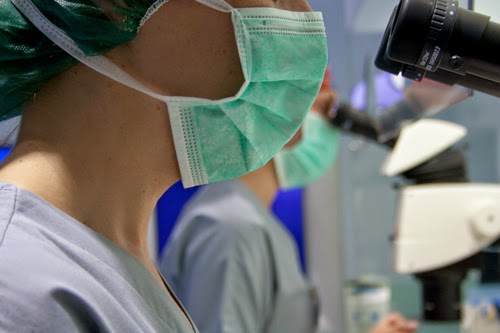
Ginemed’s IVF laboratory incorporates several cutting‑edge technologies. Since 2018 the clinic has employed the innovative Geri incubator, which provides precise temperature and gas control for embryo culture. The laboratory also utilizes high‑magnification microscopy (IMSI) introduced in 2008 to enhance sperm selection. Embryo vitrification is performed at –196 °C using closed‑system carriers, ensuring high post‑thaw survival. Ginemed implements the Matcher electronic witness system, which tracks every gamete and embryo with barcode‑linked wristbands and real‑time scanning to guarantee sample identity and traceability. These technologies are complemented by time‑lapse imaging for embryo development monitoring and strict ISO‑9001 quality management.
What is the history and background of Ginemed? expand_more
Ginemed was founded in 1992 and has grown into a leading network of assisted reproduction centers across Spain and Portugal. Over more than 30 years, the group has opened clinics in Sevilla, Madrid, Barcelona, Valencia, Málaga, Bilbao, Huelva, Asturias, Cádiz, Lisbon, and Oporto, among others. Milestones include the launch of the first Andalusian oocyte vitrification program in 2007, the introduction of high‑magnification IMSI microscopy in 2008, and the acquisition of ISO 9001 certification in 2004. In 2018 the clinic integrated the Geri incubator, and in recent years it has expanded specialized units for implantation failure, advanced maternal age, and LGBTQ+ family building. Ginemed has assisted the birth of thousands of babies worldwide and continues to collaborate with universities for research and training.
Does Ginemed treat single women seeking fertility treatment? expand_more
Ginemed explicitly welcomes single women who wish to build a family. The clinic’s inclusive philosophy highlights “Monoparental” options and offers the full range of fertility treatments—including IVF with donor eggs, embryo donation, and fertility preservation—tailored to solo mothers. Dedicated patient coordinators provide personalized counseling and support throughout the journey, ensuring that single women receive the same high‑quality reproductive care as couples.
Who are the fertility doctors and specialists at Ginemed? expand_more
Ginemed’s medical team is led by Dr. Juan Manuel Jiménez Tuñón, a Medical Expert in Reproduction and Director of the Reproductive Medicine Clinic in Sevilla, who also heads the Unit for Implantation Failure and Recurrent Abortion. Dr. Manuel Estévez Camplón serves as the Medical Director of the Sevilla clinic. Other key specialists include Dr. Elena Troncoso Dantas, responsible for the International Department, Dr. Teresa Lozano Liaño, leading the Huelva unit, and Dr. José Martín Vallejo, who directs the Valencia clinic. In Madrid, Dr. María José Martínez‑Cañavate Montero oversees clinical operations. The multidisciplinary team also includes senior embryologists, fertility nurses, and patient coordinators, all certified in assisted reproduction and committed to personalized care.
What are the IVF success rates at Ginemed? expand_more
Ginemed reports pregnancy rates of approximately 79% for IVF cycles that use both donor eggs and donor sperm (double donation), based on recent clinic outcomes. For the ROPA method, which enables two women to share the genetic contribution, the clinic achieves around 65% pregnancy per transfer when two blastocyst-stage embryos are transferred. Embryo donation cycles show a success rate of about 77% per transfer of two blastocysts, confirmed by a positive beta‑hCG test. Additionally, Ginemed notes that roughly half of all patients achieve a pregnancy on their first embryo transfer, reflecting strong overall performance across age groups and treatment types.