What fertility treatments and services does CCRM Fertility offer? expand_more
CCRM Fertility provides a full spectrum of assisted‑reproduction options, including conventional in‑vitro fertilization (IVF) with intracytoplasmic sperm injection (ICSI), intrauterine insemination (IUI), and comprehensive preimplantation genetic testing (PGT‑A, PGT‑M, PGT‑SR). The network also offers egg freezing for fertility preservation, donor‑egg IVF programs, gestational surrogacy coordination, and male‑factor treatments such as surgical sperm retrieval. Specialized services include onco‑fertility preservation, LGBTQIA+ family‑building pathways (reciprocal IVF, donor sperm, and surrogacy), recurrent implantation failure protocols, and sex‑selection or family‑balancing options. All treatments are delivered under one roof with personalized treatment plans, financial counseling, and access to a national donor‑egg bank, ensuring patients can pursue the most appropriate pathway to parenthood.
Does CCRM Fertility provide fertility treatment for same-sex couples? expand_more
Absolutely. CCRM Fertility is dedicated to LGBTQIA+ family building and offers inclusive protocols for same‑sex couples. Female couples can choose reciprocal IVF, where one partner provides eggs and the other carries the pregnancy, often combined with donor sperm and PGT. Male couples have access to donor‑sperm IUI, IVF with donor eggs, and gestational‑surrogacy services. The network’s experienced reproductive endocrinologists, legal partners, and surrogacy coordinators guide couples through every step, ensuring a supportive, respectful environment and optimal clinical outcomes for all family structures.
What are the IVF success rates at CCRM Fertility? expand_more
CCRM Fertility reports live‑birth rates that consistently exceed the national average across every maternal‑age group, based on consolidated SART data from 2007‑2023. The network’s emphasis on frozen‑embryo transfers (FET) with preimplantation genetic testing for aneuploidy (PGT‑A) drives especially high success for women of all ages, with live‑birth rates well above the SART benchmark for each age bracket. CCRM’s in‑house genetics laboratory and rigorous quality‑control protocols further boost outcomes, delivering some of the strongest pregnancy‑per‑transfer statistics in the United States. While exact percentages vary by clinic and patient profile, the overall trend is clear: CCRM’s IVF success rates rank among the top performers nationally, offering patients a statistically superior chance of achieving a healthy pregnancy.
What IVF laboratory technology does CCRM Fertility use? expand_more
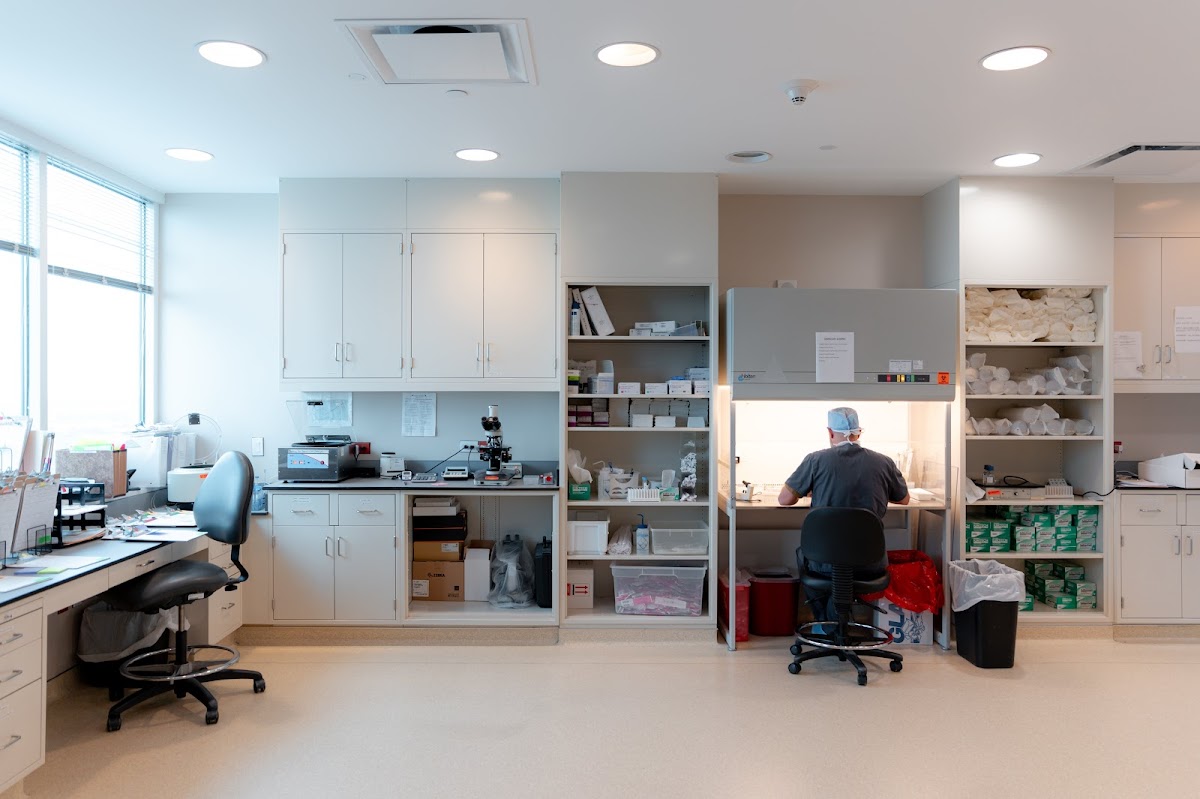
CCRM’s IVF laboratories are equipped with cutting‑edge technology designed to maximize embryo quality and safety. The clinics employ an electronic witnessing system called Matcher, which provides a double‑witness safeguard for all critical steps such as ICSI, embryo culture, and frozen‑embryo transfer. High‑efficiency incubators feature continuous monitoring, cryostorage alarm/ID systems, and a high embryologist‑to‑patient ratio to ensure meticulous handling. The labs use vitrification for rapid egg and embryo freezing, achieving a 95% egg‑thaw survival rate. CCRM also operates a dedicated genetics laboratory for in‑house PGT, employing next‑generation sequencing and strict quality‑control protocols. All equipment is ISO‑certified, and the network follows unified SOPs across locations to guarantee consistent, high‑quality outcomes.
Does CCRM Fertility treat single women seeking fertility treatment? expand_more
CCRM Fertility welcomes single women who wish to build a family and offers a full range of options tailored to their needs. Single‑mother‑by‑choice patients can pursue intrauterine insemination (IUI) with donor sperm, IVF using their own eggs or donor eggs, and egg‑freezing for future use. The clinic’s comprehensive counseling, financial guidance, and personalized treatment plans ensure that solo patients receive the same high‑quality care as couples, including access to PGT, gestational‑surrogacy coordination (if needed), and onco‑fertility preservation services.
Who are the fertility doctors and specialists at CCRM Fertility? expand_more
CCRM Fertility’s medical team comprises more than 70 board‑certified reproductive endocrinologists and infertility specialists across its U.S. and Canadian locations. Notable physicians include Dr. Timothy Hickman (Houston), Dr. Katherine Koniares (Boston), Dr. Aaron Styer (Boston), Dr. William Schoolcraft (Colorado), Dr. Eric Surrey (Colorado), Dr. Nicole Kummer (Arizona), Dr. Shane Lipskind (Arizona), Dr. Ketan S. Patel (Arizona), Dr. Evan Reshef (Arizona), and Dr. Amanda Adeleye (Illinois). Each clinic also employs senior embryologists, genetic counselors, and dedicated fertility nurses, creating a multidisciplinary team that manages everything from initial diagnostics to advanced assisted‑reproduction procedures. The physicians are double‑board‑certified in obstetrics‑gynecology and reproductive endocrinology, and many hold leadership roles in professional societies such as SART and ESHRE, ensuring patients receive care from some of the most experienced experts in the field.
Does CCRM Fertility offer egg donation for IVF treatment? expand_more
Yes, CCRM Fertility operates a comprehensive donor‑egg program through its national egg‑donor bank. Prospective patients can select from a diverse pool of rigorously screened donors who undergo extensive medical, genetic, and psychological evaluations, as well as FDA‑mandated testing. The clinic guarantees at least one high‑quality embryo per lot of eight eggs, and if the guarantee is not met, additional donor eggs are provided at no extra cost. CCRM’s state‑of‑the‑art vitrification protocol yields a 95% egg‑thaw survival rate, and all donor‑egg cycles incorporate preimplantation genetic testing to enhance implantation and live‑birth outcomes.
What is the history and background of CCRM Fertility? expand_more
Founded in 1987, CCRM Fertility (formerly Colorado Center for Reproductive Medicine) has grown into a national network of more than 30 clinics serving the United States and Canada. The organization pioneered several milestones, including the first frozen‑embryo pregnancy in Colorado (1987), the first GIFT and ZIFT births (1990), the first donor‑egg baby (1990), assisted hatching (1993), ICSI (1994), and worldwide blastocyst culture (1996). In 2007, CCRM introduced vitrification for egg and embryo freezing, and it continues to lead research with projects on in‑vitro maturation and human blastoids. To date, CCRM has helped over 100,000 families achieve pregnancy, maintains SART accreditation, and is recognized for its innovative laboratory practices and high success rates.